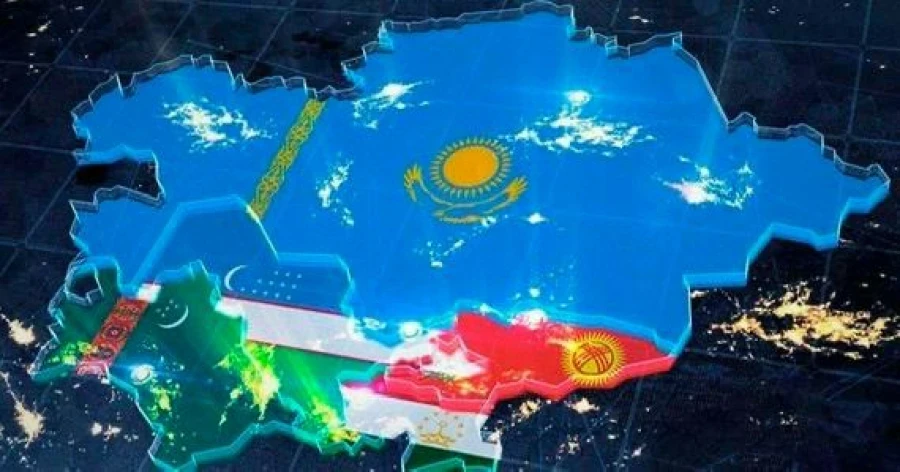
The population of the Caucasus and Central Asia is facing a threat from locust invasions, prompting the countries in the region to unite efforts to improve early warning systems and implement effective measures to combat this pest.
Among the species of locusts that pose the greatest danger are the Italian locust (Calliptamus italicus), the Moroccan locust (Dociostaurus maroccanus), and the Asian migratory locust (Locusta migratoria migratoria). These insects can form massive swarms, traveling long distances and causing significant damage to agriculture if outbreaks are not localized in time.
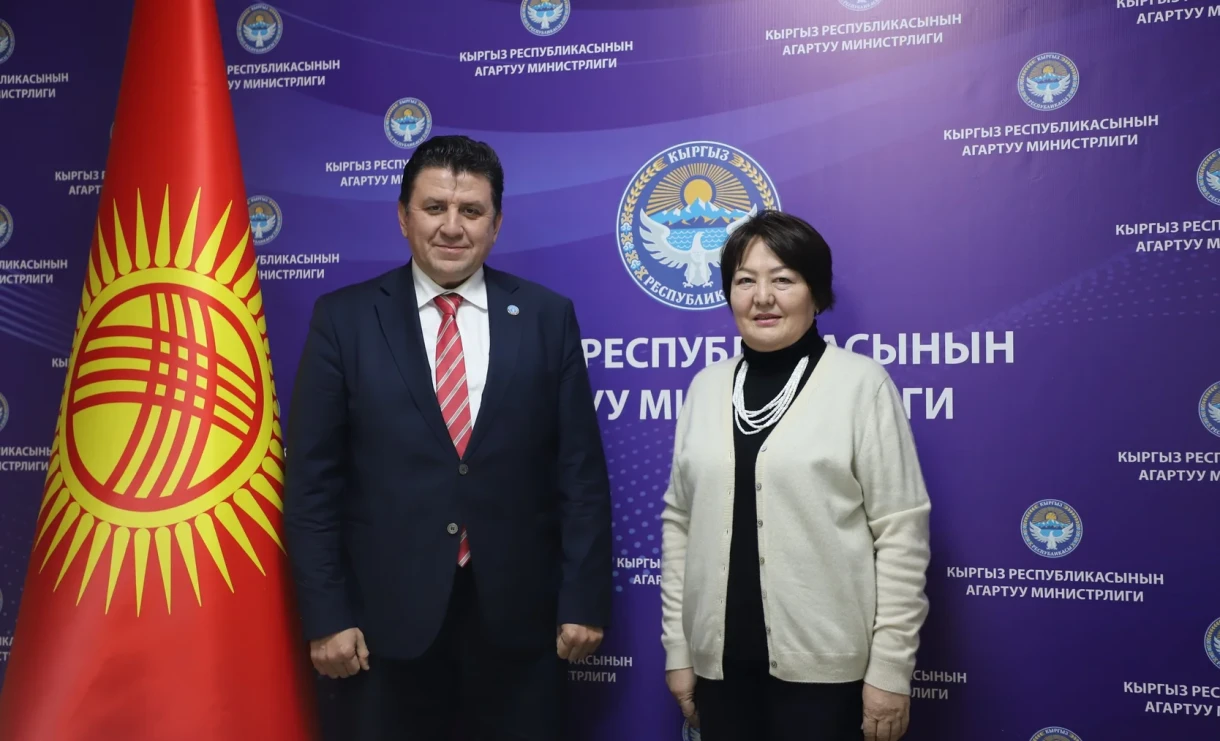
According to Oleg Guchgeldiev, a representative of FAO in Kyrgyzstan, “migratory pest insects do not recognize borders.” He noted that FAO actively supports countries by helping them develop technical capacity and implement modern technologies to protect agriculture and ecosystems from locust invasions.
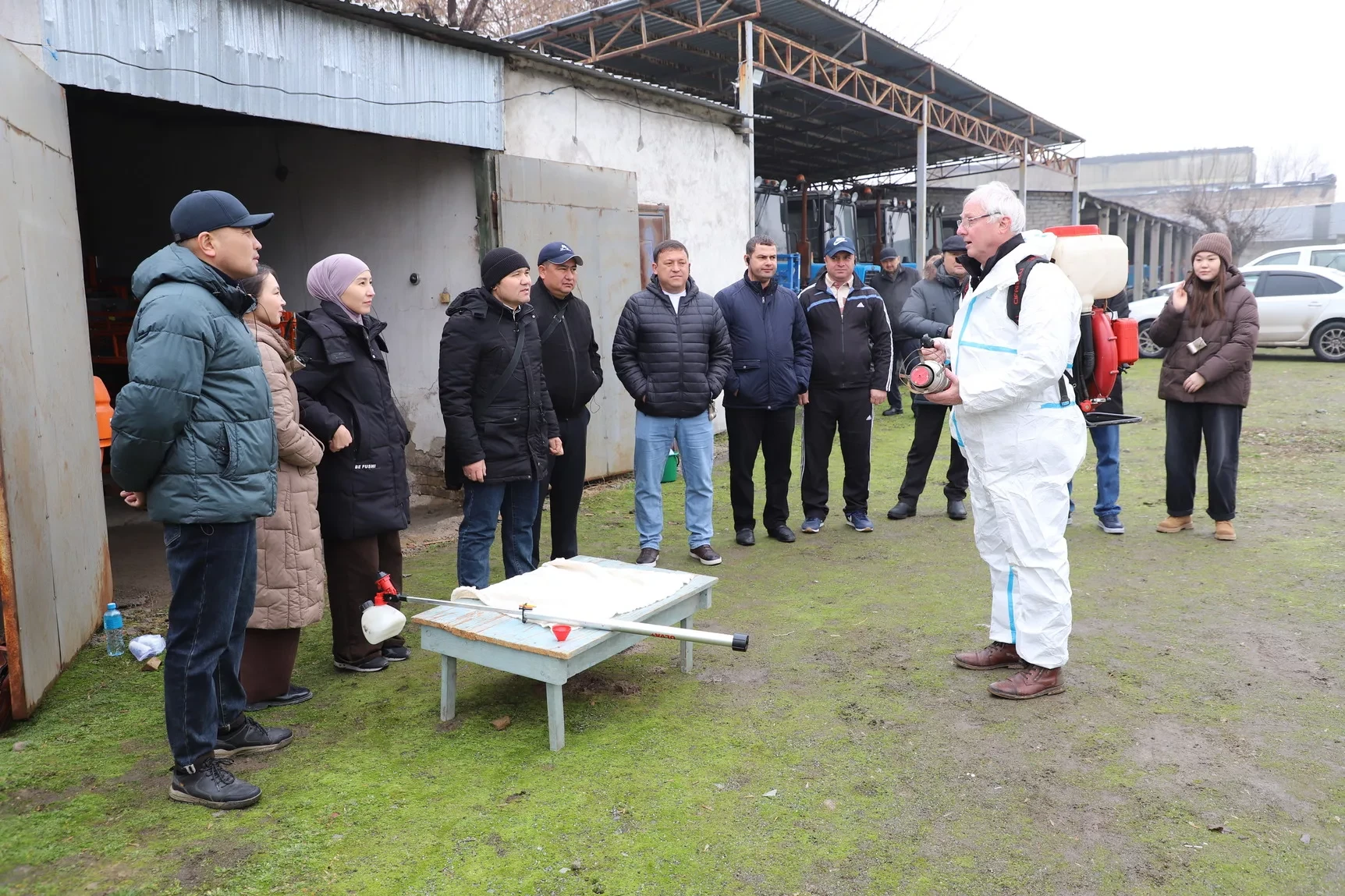
To enhance national and regional capacity, a specialized course on the maintenance and repair of ultra-low-volume (ULV) sprayers was held in Bishkek from February 24 to 26. This event was organized as part of the “Program for Improving National and Regional Locust Control in the Caucasus and Central Asia (CCA)” and with the support of the Japan International Cooperation Agency (JICA).
Ultra-low-volume spraying is a globally recognized effective method for combating locusts. It allows for the use of oil-based pesticides and ready-to-use formulations in the form of fine droplets with a consumption rate of only one liter per hectare, eliminating the need to mix with large volumes of water. Proper calibration of sprayers is essential to prevent both under- and over-dosing, ensuring safe treatment with minimal risks to health and the environment. Regular maintenance of equipment is also important to extend its lifespan.
During the three-day training, participants from Kyrgyzstan, Turkmenistan, and Uzbekistan acquired skills in calibrating sprayers, diagnosing faults, field application, and adhering to safety measures. The program included inventorying equipment, identifying common technical problems, training on repairs and parts replacement, as well as recommendations for improving maintenance. Participants were able to apply the knowledge gained in practice. Experts from other countries in the region also participated remotely in the theoretical part of the training.
The training was conducted by Mahdjub Boshara, an FAO agricultural specialist, and John Clayton, the technical director of Micron Sprayers, an expert in ULV technologies.
“Timely calibrated and maintained ULV sprayers provide the best results, reducing the consumption of products and minimizing risks to health and ecology,” added Mahdjub Boshara.
Since 2011, FAO has actively supported the countries of the Caucasus and Central Asia by implementing a strategy for the preventive management of locust populations with an emphasis on monitoring, early warning, and developing technical capabilities. The project funded by JICA contributes to strengthening regional cooperation and national capacities.
Such training courses, like the one held in Bishkek, demonstrate how regional cooperation can improve early warning systems and response efficiency. Through continuous technical support and knowledge exchange, FAO and its partners provide specialists with the necessary tools and experience to combat locust invasions.