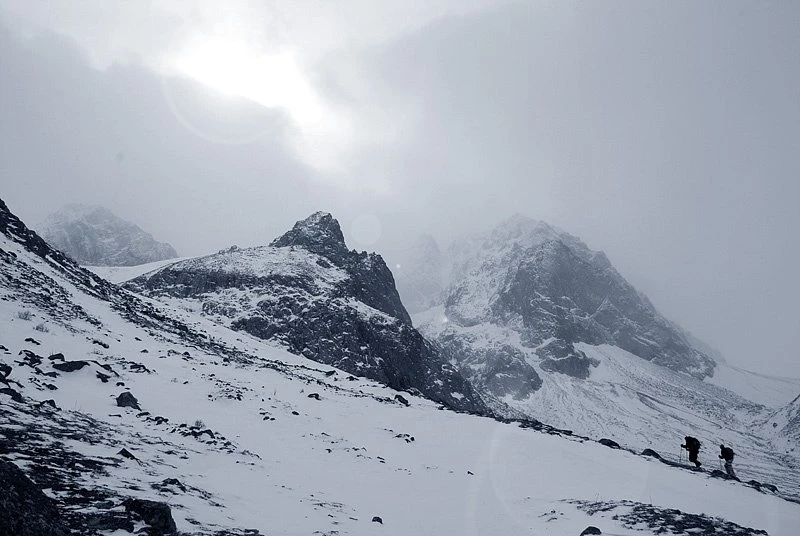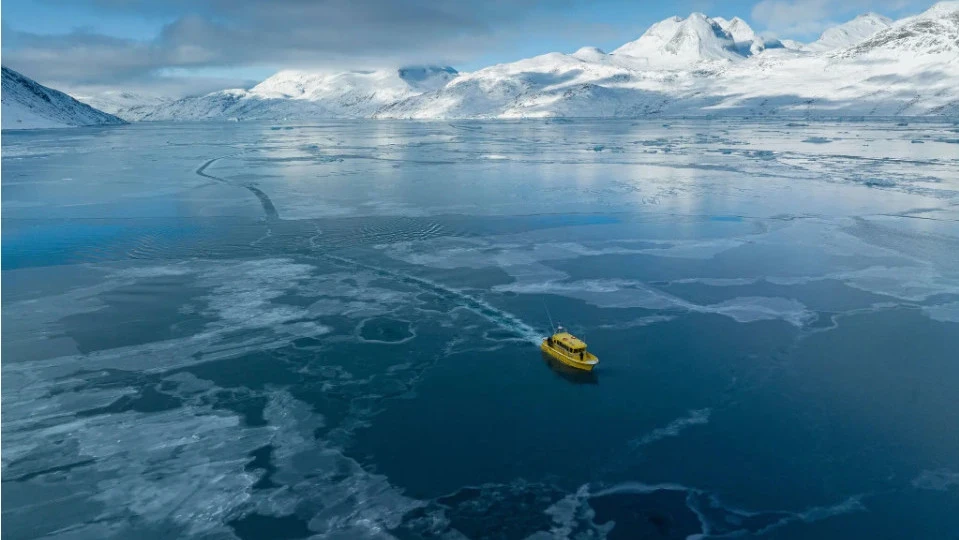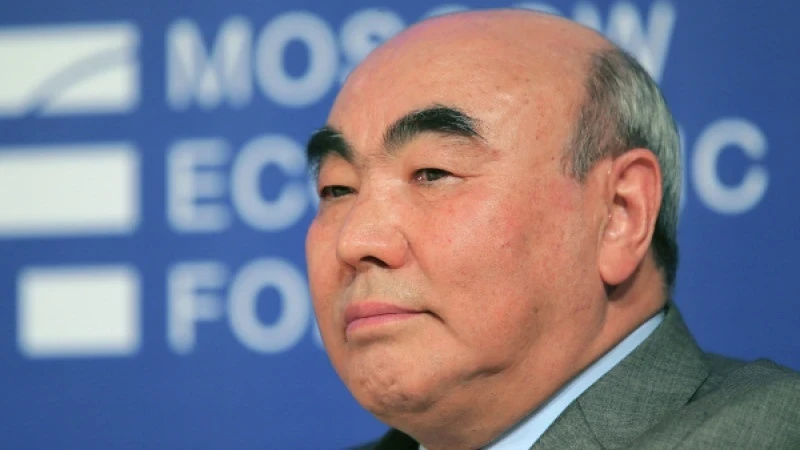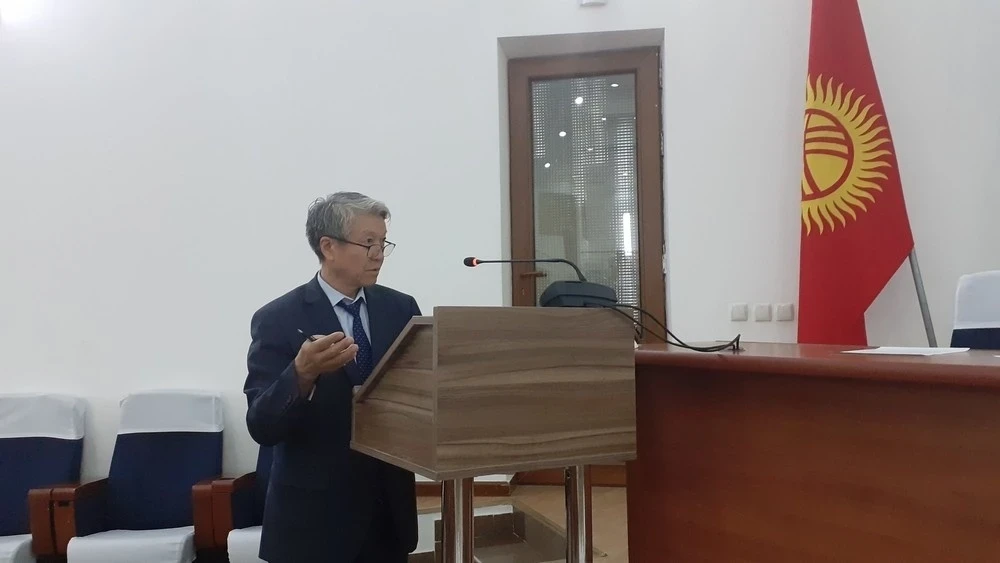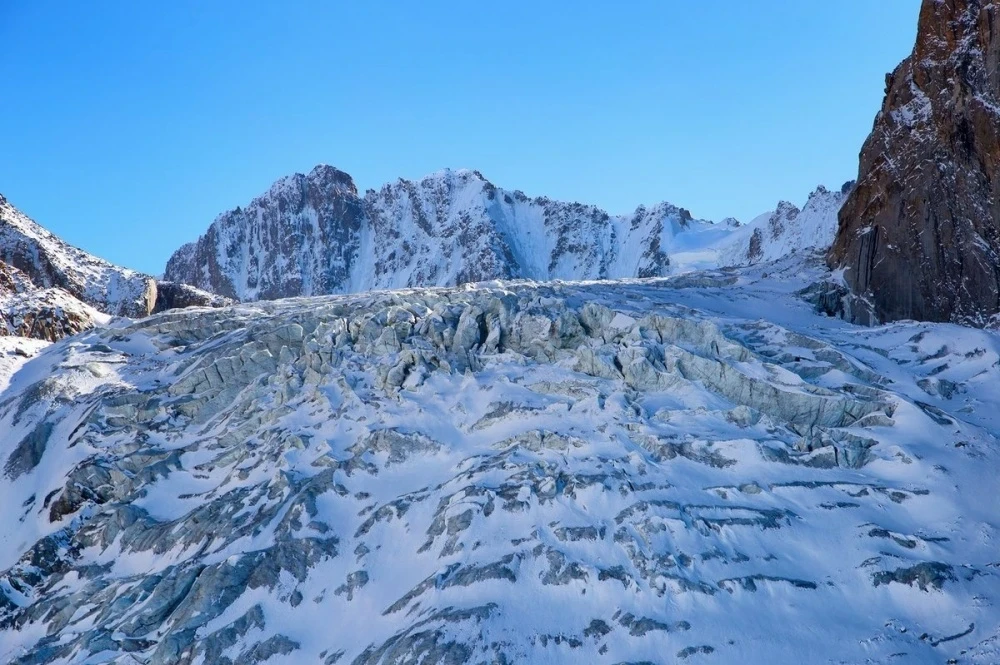
Qu Dongyu, the Director-General of the Food and Agriculture Organization of the United Nations (FAO), expressed serious concern about the rapid melting of glaciers worldwide. This phenomenon could disrupt traditional agricultural cycles and threatens reliable sources of fresh water for humanity. People from the Andes to the Himalayas are already experiencing negative consequences, including a reduced snow season and decreased water supply stability. For instance, in Peru, this has led to a significant decrease in crop yields, while in Pakistan, the usual planting schedules have been disrupted.
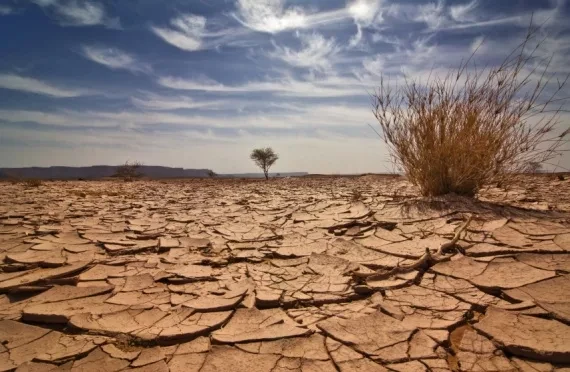
Glaciers are a source of drinking water for nearly two billion people and feed major rivers such as the Indus, Nile, Ganges, and Colorado. However, the past six years have set records for the speed of ice retreat. Qu Dongyu noted that in the coming decades, many glaciers will reach their "peak runoff," after which a prolonged water shortage will begin. This will be exacerbated by population growth. The destruction of ice masses also entails cultural losses, damaging sacred sites and centuries-old traditions of indigenous peoples.
The situation can be changed, but this requires radical reforms in global policy and investment. The UN has declared 2025 the International Year of Glacier Preservation to draw attention to the protection of these ecosystems. The FAO insists on the implementation of adaptive agricultural practices, such as terraced farming, agroforestry, and crop diversity. A key step must be improving water infrastructure and developing transboundary cooperation, as rivers fed by glaciers often flow through multiple countries.
An example of successful adaptation can be seen in innovative projects. In Kyrgyzstan, the FAO is working with experts to create artificial glaciers formed by spraying water from mountain rivers. This initiative has already preserved over 1.5 million cubic meters of ice in the Batken region, enough to irrigate 1,750 hectares. Similar methods are being used in India, while in the Peruvian Andes, local communities employ natural plant filters to purify water contaminated by minerals due to glacier melting.
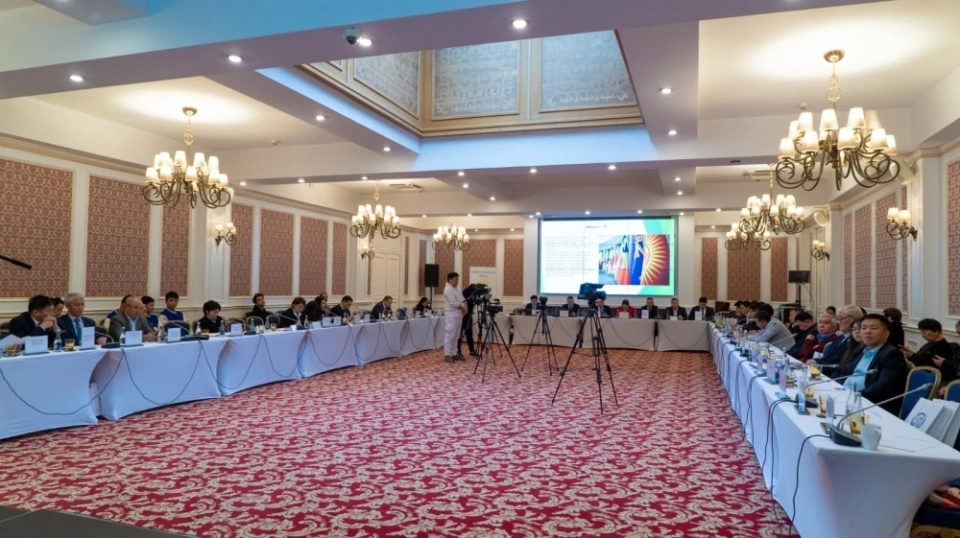
Nevertheless, Qu Dongyu emphasized that the efforts of individual countries are not enough. Water remains a resource that directly depends on the state of glaciers, and neglecting their disappearance could lead to a global security threat. The International Year of Glacier Preservation in 2025, supported by UNESCO and the World Meteorological Organization (WMO), should unite the global community to protect these vital resources.