Recent studies of polar bears in Svalbard have revealed their remarkable ability to adapt to changing climatic conditions despite the melting of Arctic ice. Scientists working on this topic are still trying to understand the mechanisms that allow these animals to survive in new conditions, reports the publication "Around the World".
Polar bears serve as a vivid example of how climate change affects wildlife. These large mammals inhabit Arctic ice, which is rapidly disappearing against the backdrop of global warming.
An astonishing discovery was that some populations of polar bears in this region are much more resilient to climate change than previously thought. According to a team of scientists from the Norwegian Polar Institute, their article has been published in the journal Scientific Reports. Bears living in the Svalbard archipelago in the Barents Sea have managed to adapt to the reduction of sea ice.
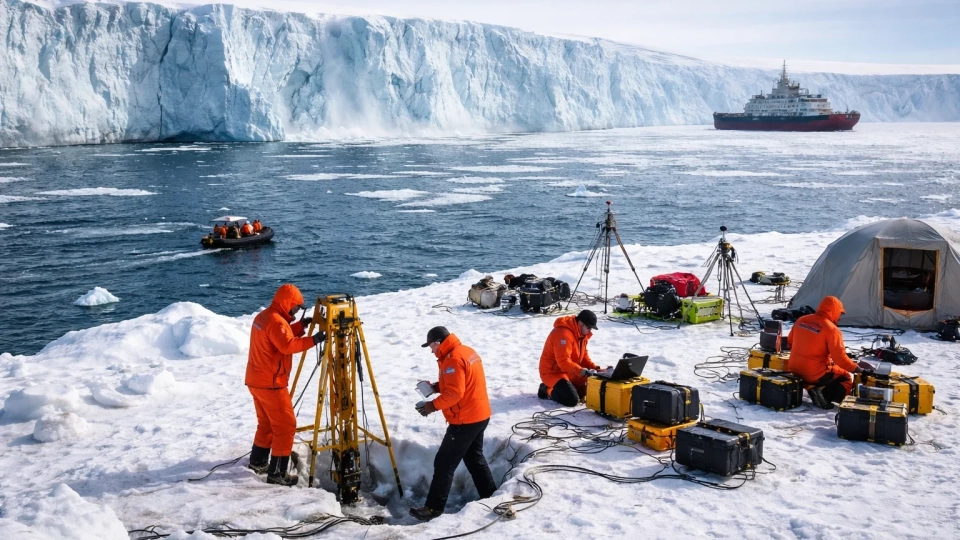
From 1995 to 2019, researchers regularly tracked polar bears using helicopters and temporarily immobilized them to assess their physical condition, known as the body condition index or BCI.
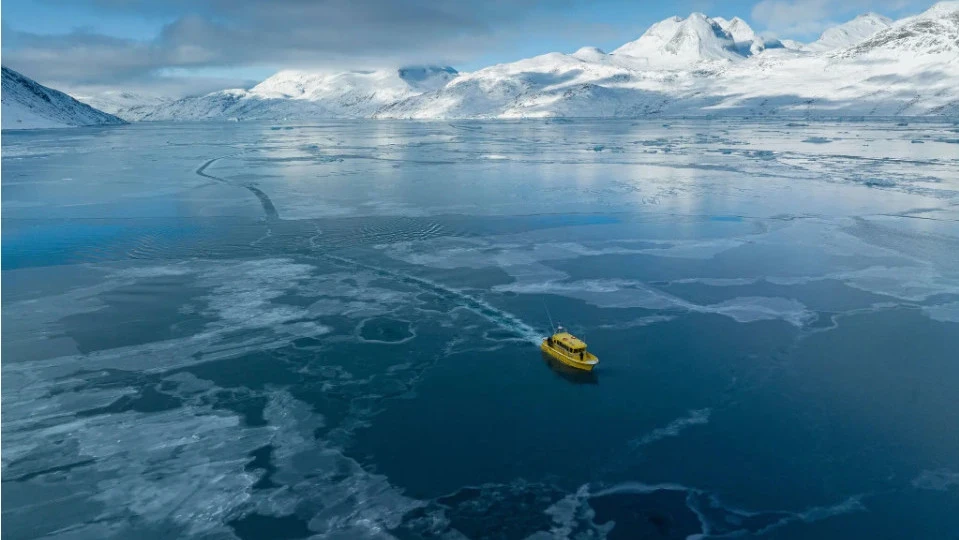
During the study, more than a thousand measurements of BCI were taken from 770 bears in the Svalbard area, where there has been particularly rapid sea ice reduction in recent decades. By 2019, the average duration of the ice season in this area had decreased by more than two months compared to data from 1995.
Data analysis showed that despite the reduction in ice, the health of the bears did not deteriorate. Lead author of the study, Jon Aars, noted that polar bears were in "quite good" condition, even recovering after a period of declining BCI from 1995 to 2000, which was a surprise for the research team.
However, this does not mean that the bears are not experiencing negative consequences from the loss of sea ice; some of them have changed their habitats or moved north in search of ice, explains Aars. It is also important to consider that it is difficult to say what condition polar bears would be in if climate change were not occurring.
Although the results obtained in Svalbard may be useful for studying other similar ecosystems, Aars emphasizes that one should not conclude that all polar bears in the Arctic are in equally favorable conditions.
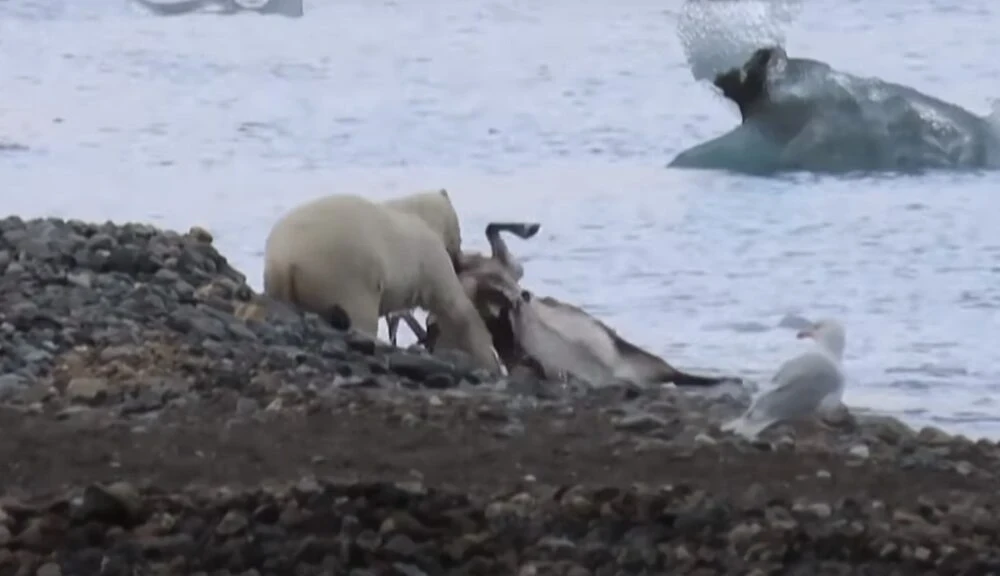
What allows the bears in Svalbard to adapt so successfully? Aars and his colleagues suggest that it may be related to changes in their diet. Perhaps, due to the reduction in ice area, hunting seals has become more accessible, or bears have started to consume more carcasses of walruses and reindeer.