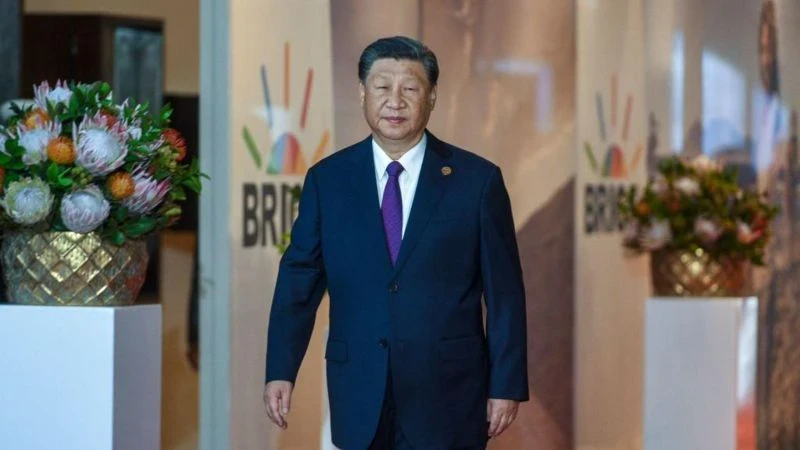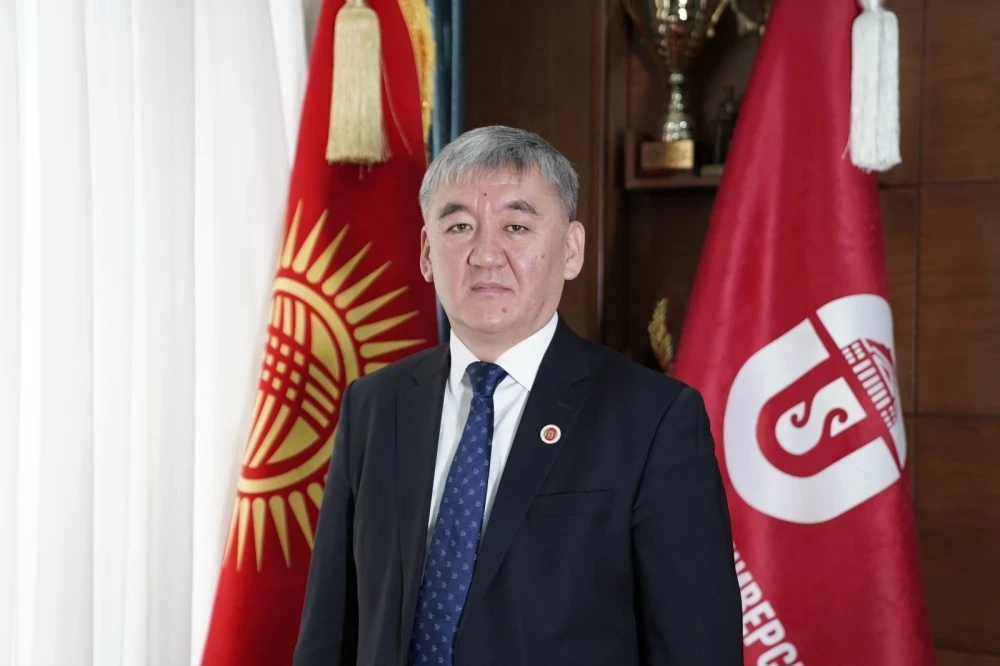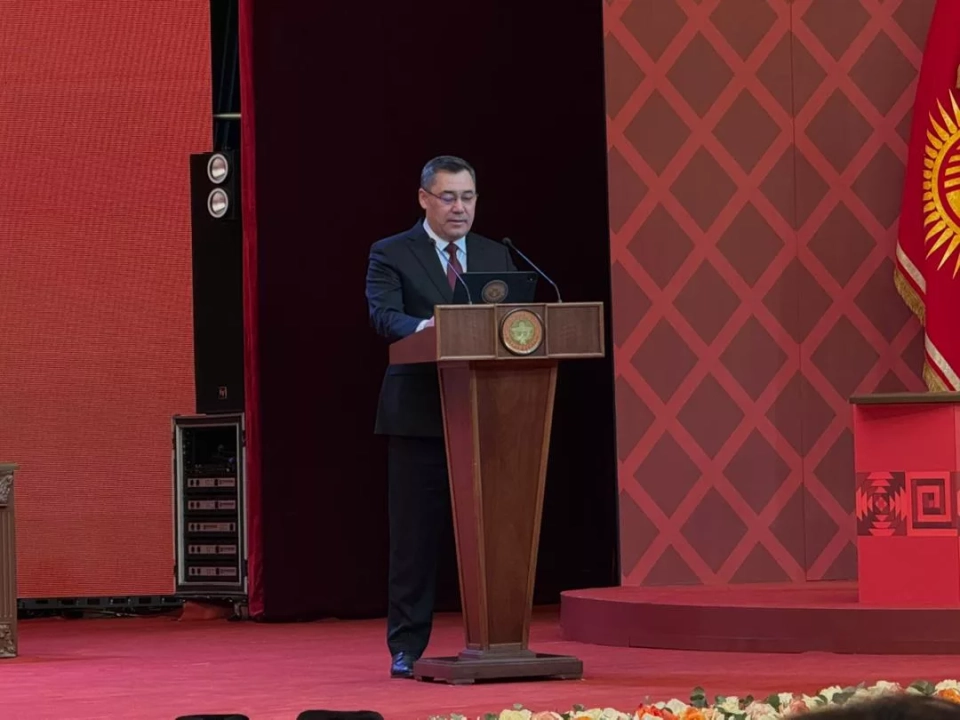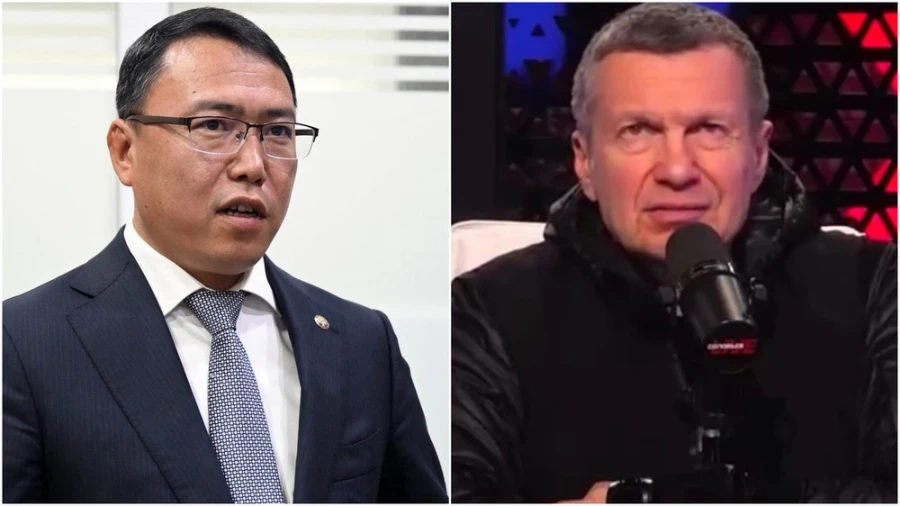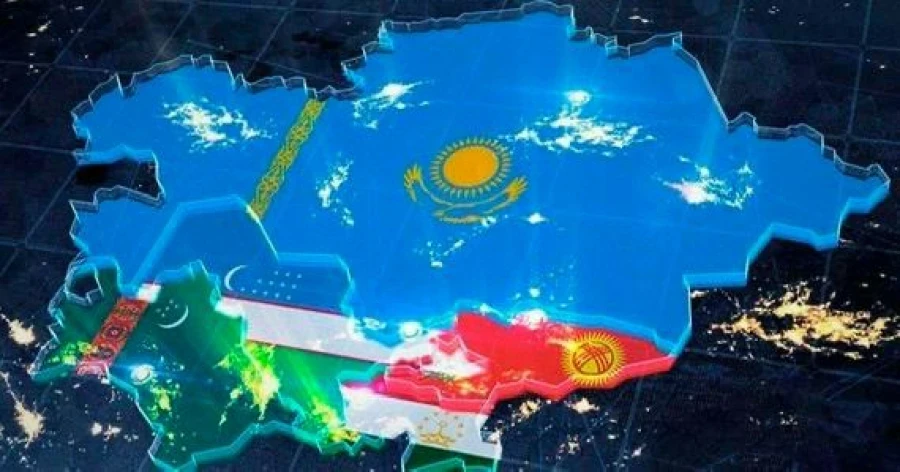
Statements by Russian media figures have sparked intense public discussion in the region
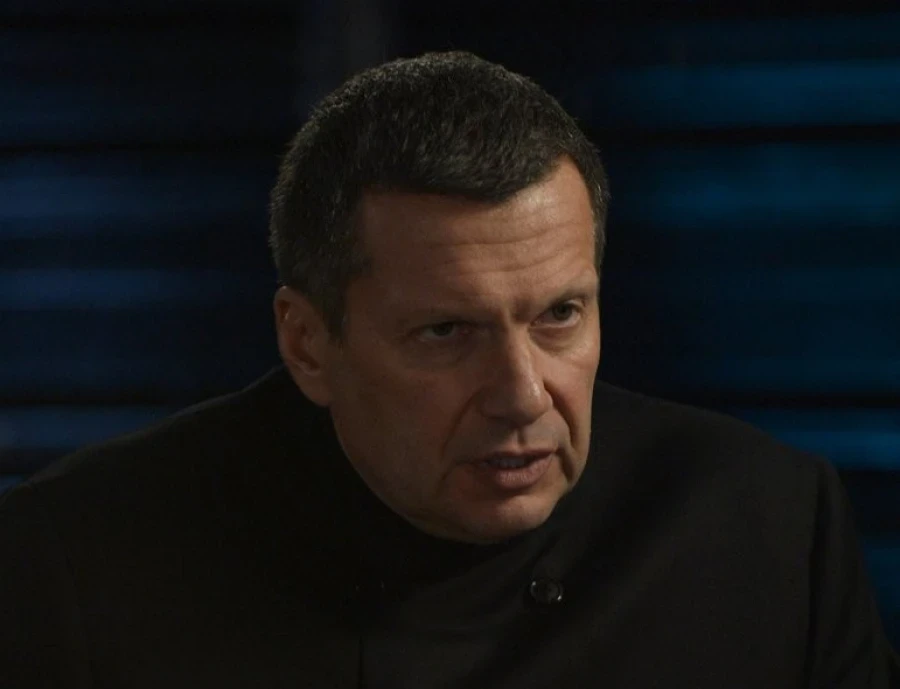
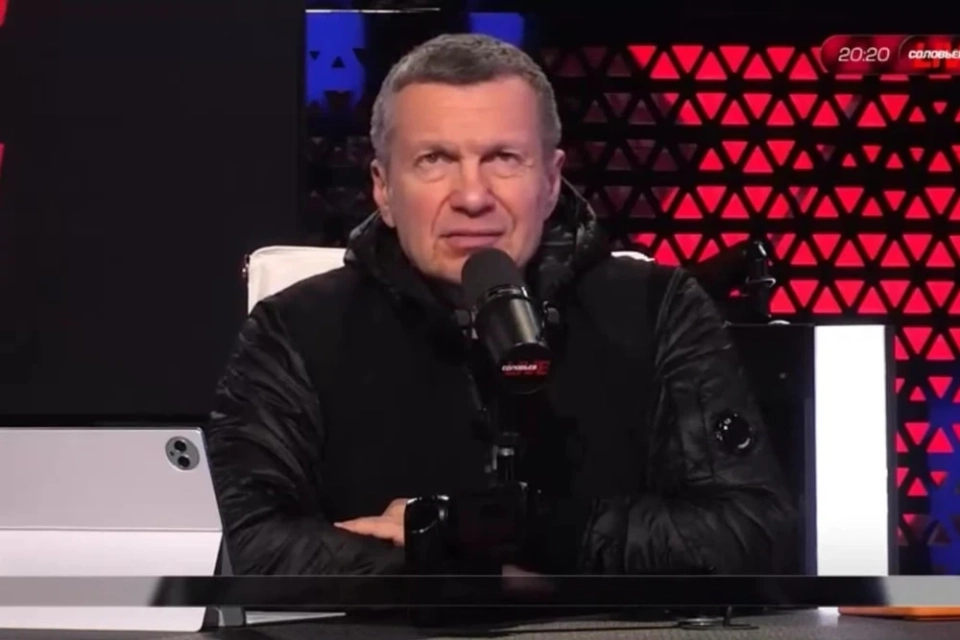
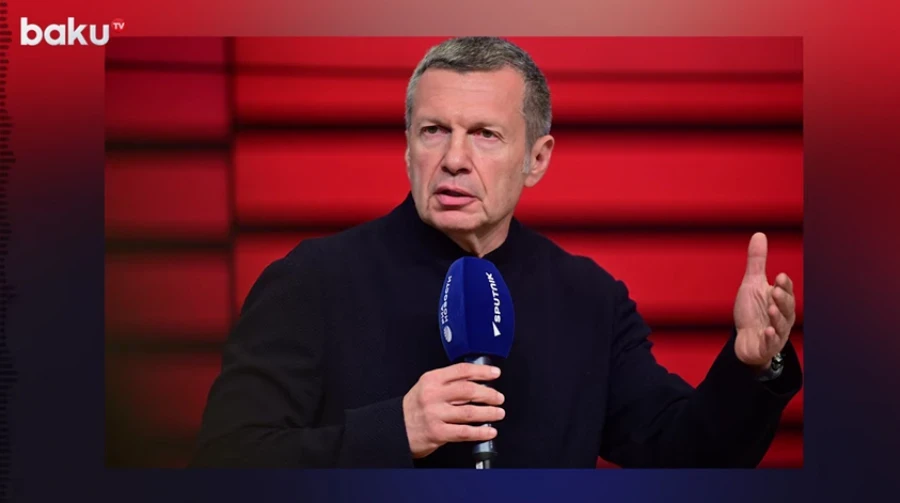
At the beginning of 2026, two Russian propagandists made statements that caused significant concern among the citizens of Kyrgyzstan. Vladimir Solovyov, a well-known television host, referred to the American operation in Venezuela and suggested ignoring international law to focus on other "points of influence" for Russia.
Vladimir Solovyov, Russian television host and supporter of the authorities:
- If we needed to start a special military operation in Ukraine to ensure our national security, then why can't we do the same in other regions of our influence? The loss of Armenia is a serious problem. The problem in Central Asia is also serious, and we need to clearly formulate our goals and objectives. The games are over.
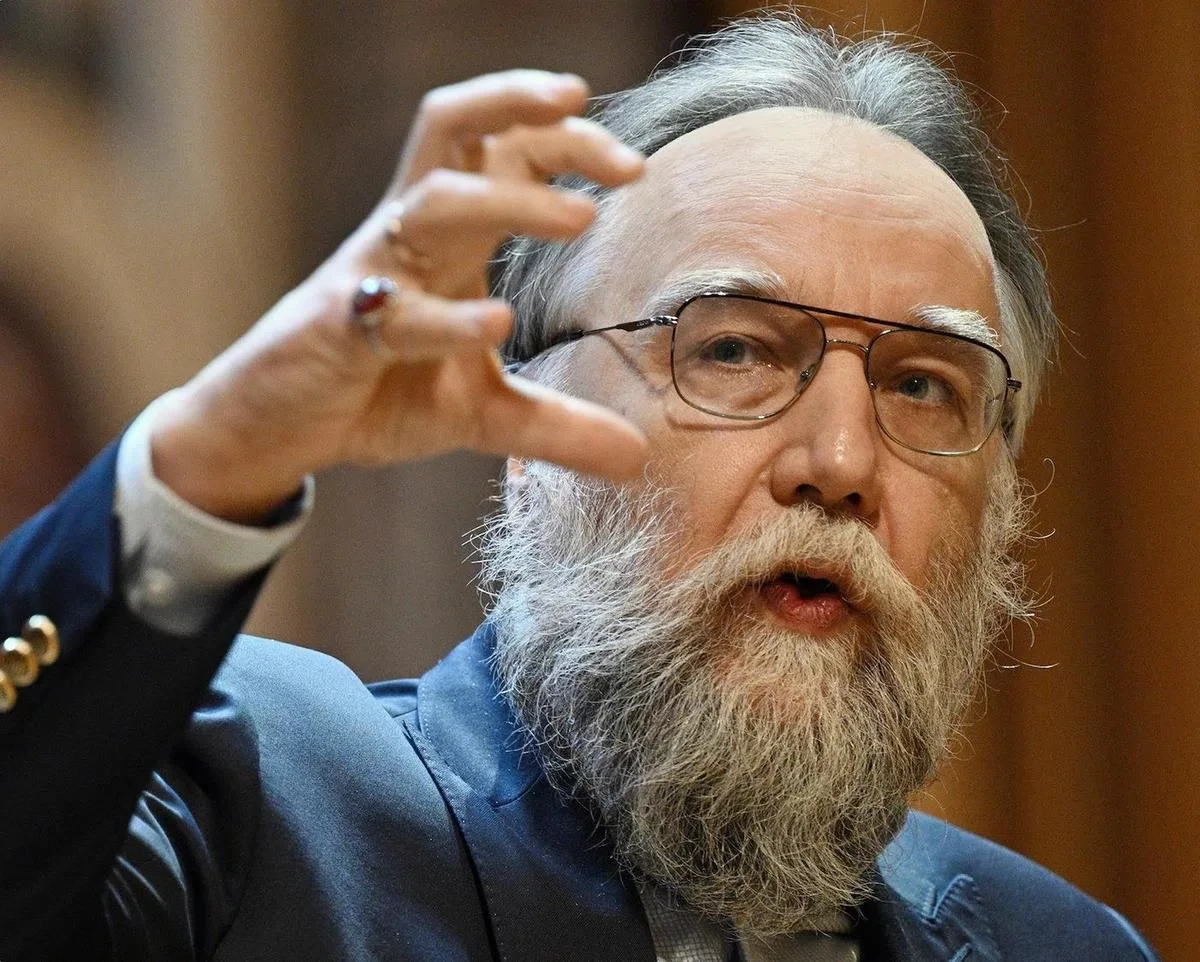
Following him, similar thoughts were expressed by Russian philosopher and ideologist Alexander Dugin.
Alexander Dugin, ideologist advocating for the expansion of Russian influence:
- It is impossible to recognize the existence of independent Armenia, Georgia, Kazakhstan, and Uzbekistan. Either they are in our camp, or they become a foothold for the West or China.
Reaction in Kyrgyzstan
Such statements did not go unanswered in Kyrgyz society.
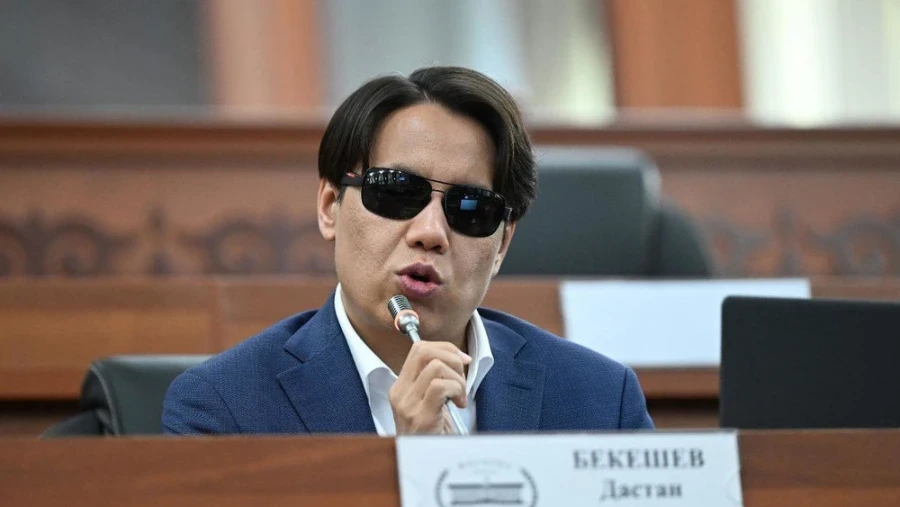
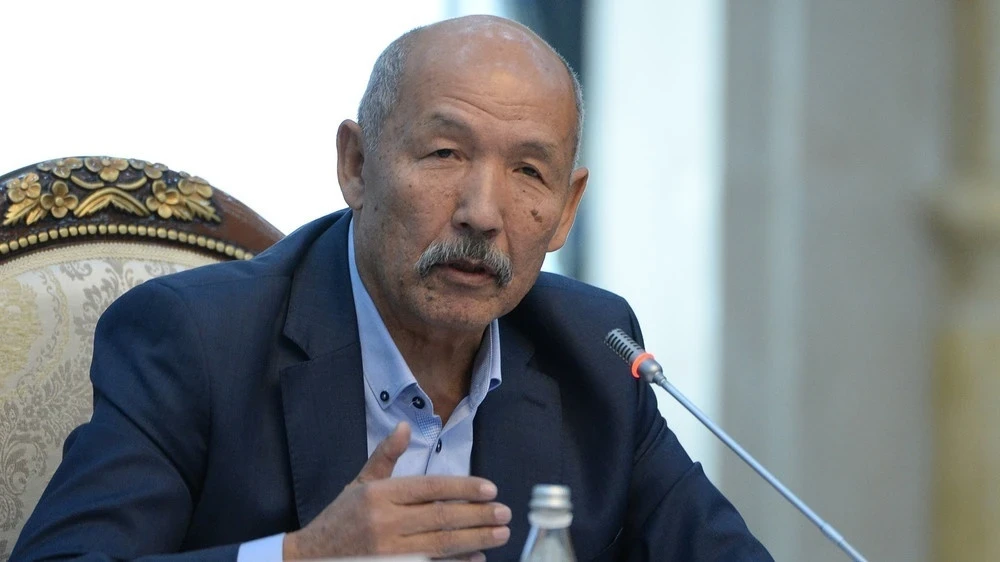
For example, Deputy of the Jogorku Kenesh Dastan Bekeshev proposed declaring Vladimir Solovyov a persona non grata.
Dastan Bekeshev, Deputy of the Jogorku Kenesh of the KR:
- I believe our Ministry of Foreign Affairs should respond, summon the ambassador, and deliver a note to him, and possibly declare him (Vladimir Solovyov) a persona non grata. Such a person should not be allowed in Kyrgyzstan.
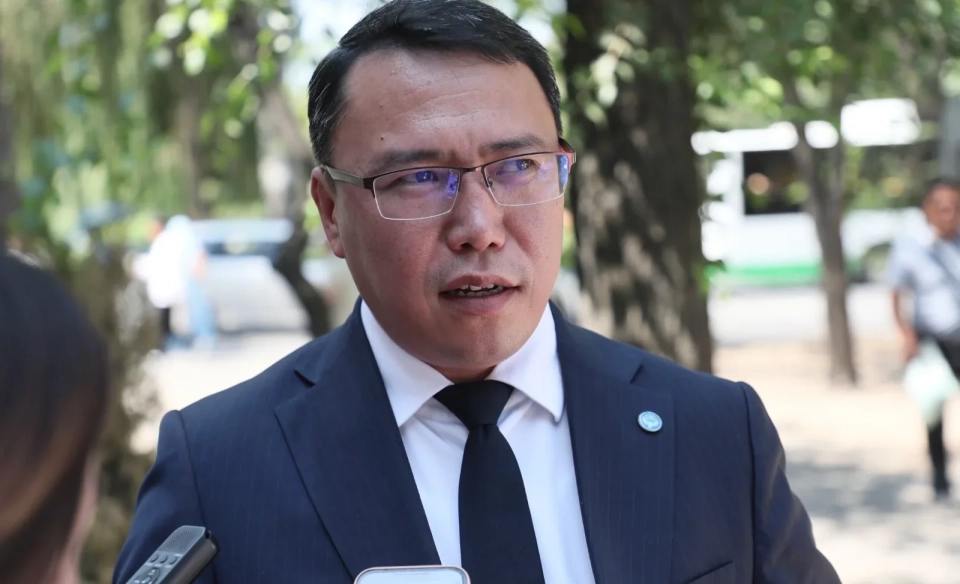
Public figure Kanat Khasanov, who usually supports a pro-Russian position, also spoke out against such statements.
Kanat Khasanov, public figure, lawyer:
- State institutions of the Russian Federation need to adequately assess such statements and prevent federal media from becoming sources of radicalization and interethnic tension. This is not about censorship, but about protecting strategic interests and maintaining trust between peoples…
These statements should be viewed as destructive, erroneous, and potentially threatening long-term stability in Central Asia and the image of Russia itself.
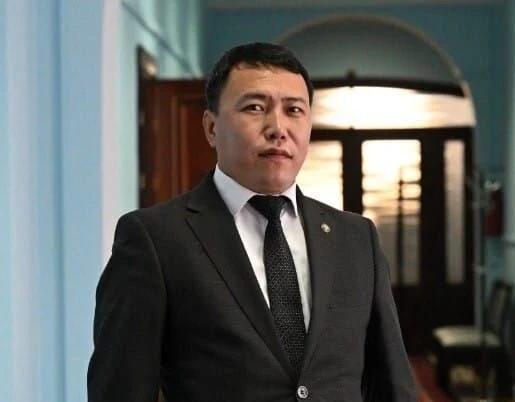
After significant public resonance, Kyrgyzstan's Minister of Foreign Affairs Jeenbek Kulubaev commented on the words of the Russian propagandist, stating that they should not be taken too seriously.
Jeenbek Kulubaev, Minister of Foreign Affairs of the KR:
- The Kyrgyz side believes that it is impractical to pay additional attention to provocative statements that are unrelated to interstate relations.
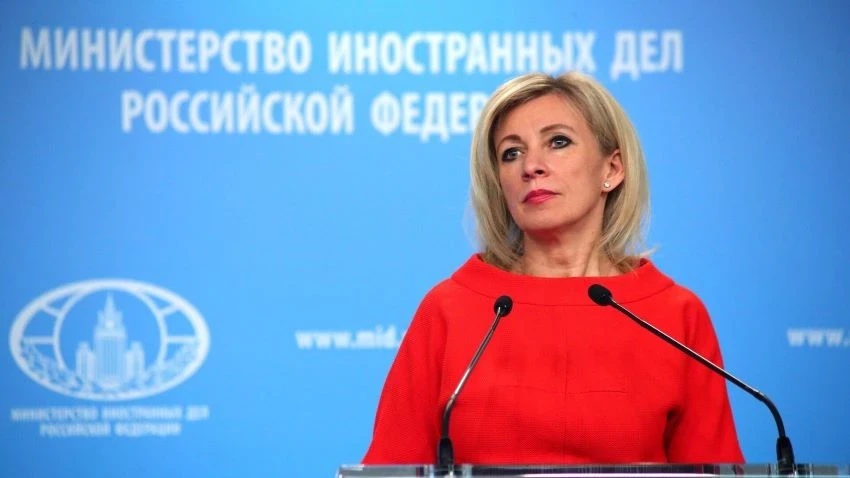
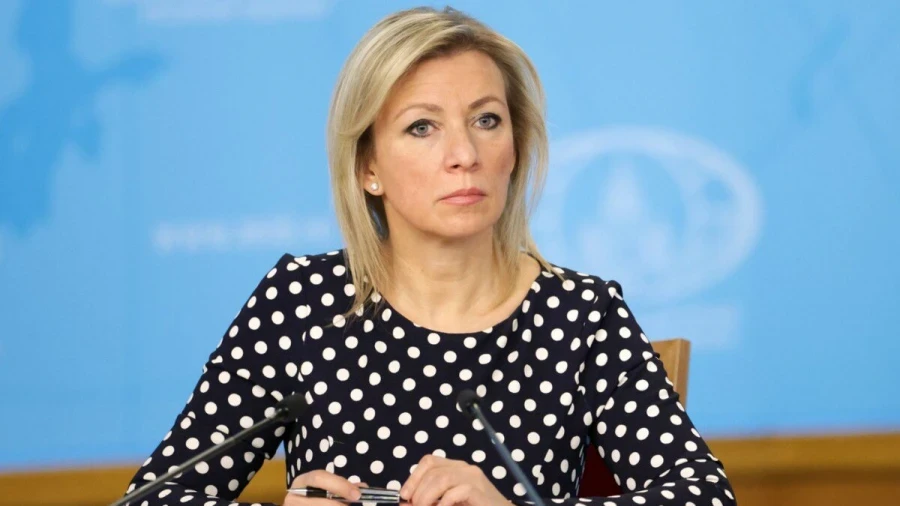
Maria Zakharova, the official representative of the Russian Ministry of Foreign Affairs, also commented on Vladimir Solovyov's words, calling them "just the personal opinion" of the host of a "private channel":
Maria Zakharova, official representative of the Ministry of Foreign Affairs of the KR:
- This is the opinion of a journalist, I emphasize, just an opinion. Secondly, it was expressed on the private channel "Solovyov LIVE." And, thirdly, I reviewed his quotes and based my understanding on their direct presentation, not on out-of-context phrases. This opinion was posed in the form of a question, not as a statement.
Discussion in Central Asia
Expressions of discontent with the statements also came from representatives of other countries in the region.
Doctor of Political Science Sherzodkhan Kudratkhodja from Uzbekistan emphasized the dangers arising from doubts about international law.
Representatives from other Central Asian states also expressed their outrage. For example, Doctor of Political Science Sherzodkhan Kudratkhodja from Uzbekistan noted that such statements cast doubt on the norms of international law.
Sherzodkhan Kudratkhodja, Doctor of Political Science, Political Scientist from RUZ:
- Ukraine has become a precedent, Central Asia is the object of voiced fantasies, and the "zone of influence" is a justification for violence disguised as discussions about security… If international law is declared "non-binding," and sovereignty is conditional, then in the world painted by propaganda, there are no allies, no agreements, no guarantees. Only the right of the strong remains, renamed as "security." In such a reality, states cease to be subjects and become fragments of a map that can be moved, erased, or appropriated depending on current television arguments.
Historical Context and Imperial Rhetoric
Commenting on the situation, Ukrainian political scientist Oleg Posternak emphasizes that such statements are not spontaneous but fit into an established tradition of Russian foreign policy. He believes this is a reproduction of the imperial approach to neighboring states.
Oleg Posternak: “The imperial logic, which originated in the 14th century, continues to be the foundation of Russia's foreign policy. It views the CIS countries as part of its sphere of influence and does not respect their sovereignty.”
Oleg Posternak recommends familiarizing oneself with the work of Ukrainian historian Kuzari, "The Disappeared Civilization - An Unnoticed Catastrophe," which presents an unusual perspective for post-Soviet historiography on the formation of Russia's imperial ambitions. The book analyzes many historical events and processes that defined the modern political map of the South Caucasus, Eastern Europe, and Central Asia in a new way.
According to Oleg Posternak, imperial logic continues to influence Russia's foreign policy thinking. This is manifested in attempts to view the post-Soviet space as its area of interest and is often accompanied by rhetoric that questions the full sovereignty of neighboring countries.
The book also examines ideological constructs that justify expansion in different historical eras, for example, the contrast between "defenders of the faith" and the "foreign world," which allowed legitimizing military actions in Turkic-Muslim territories.
Oleg Posternak emphasizes that for the countries of Central Asia, including Kyrgyzstan, the rhetoric of the Kremlin and the ideas described in the book are not abstract and are far from reality.
- The historical memory of the region retains the experience of the incorporation of Turkestan into the Russian Empire in the 19th century, when military advancement was accompanied by rhetoric of a "civilizing mission," administrative control, and subjugation of local societies to an external decision-making center, - summarizes Oleg Posternak.