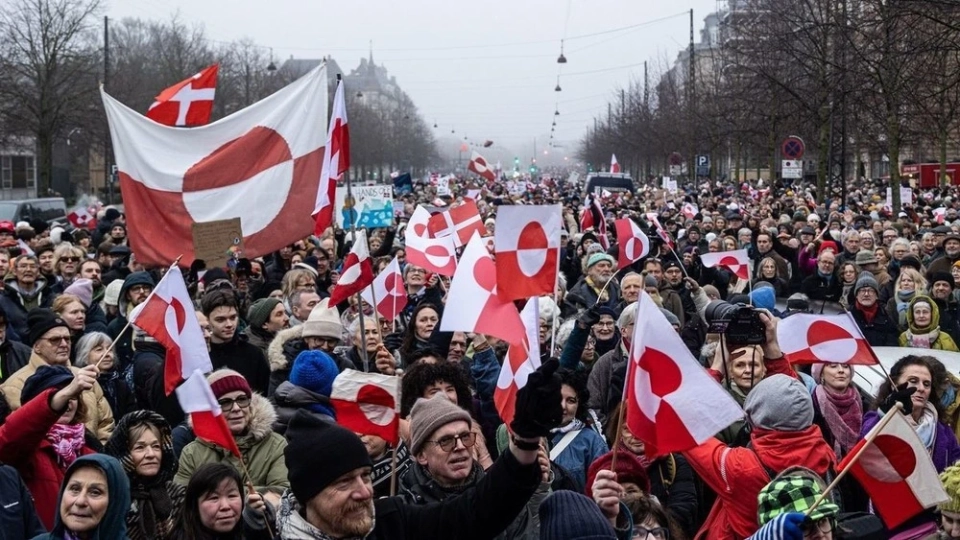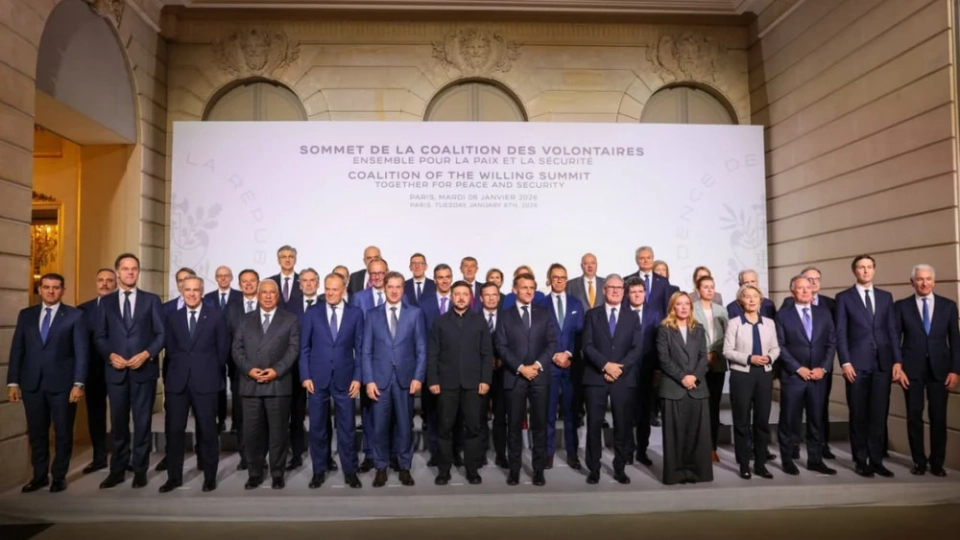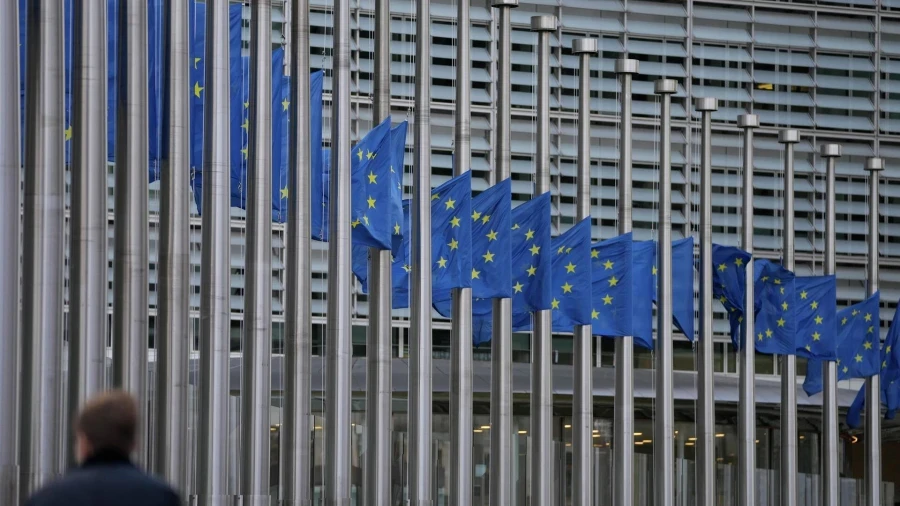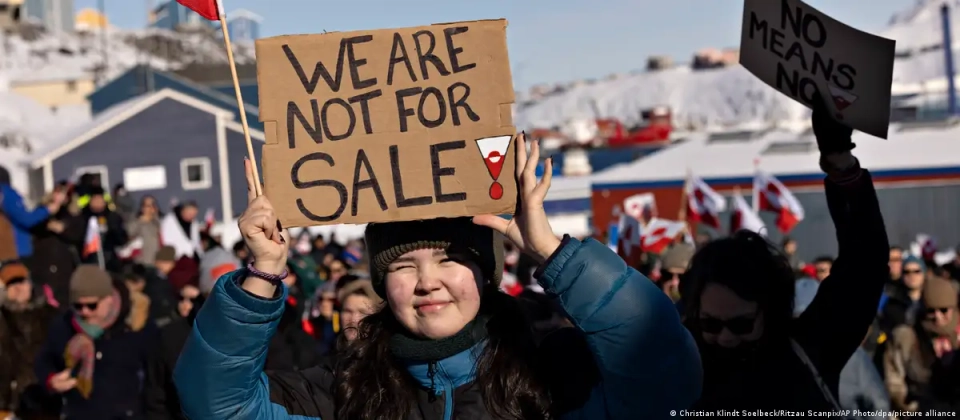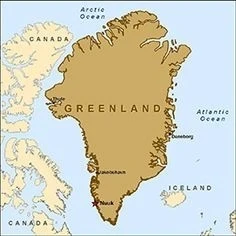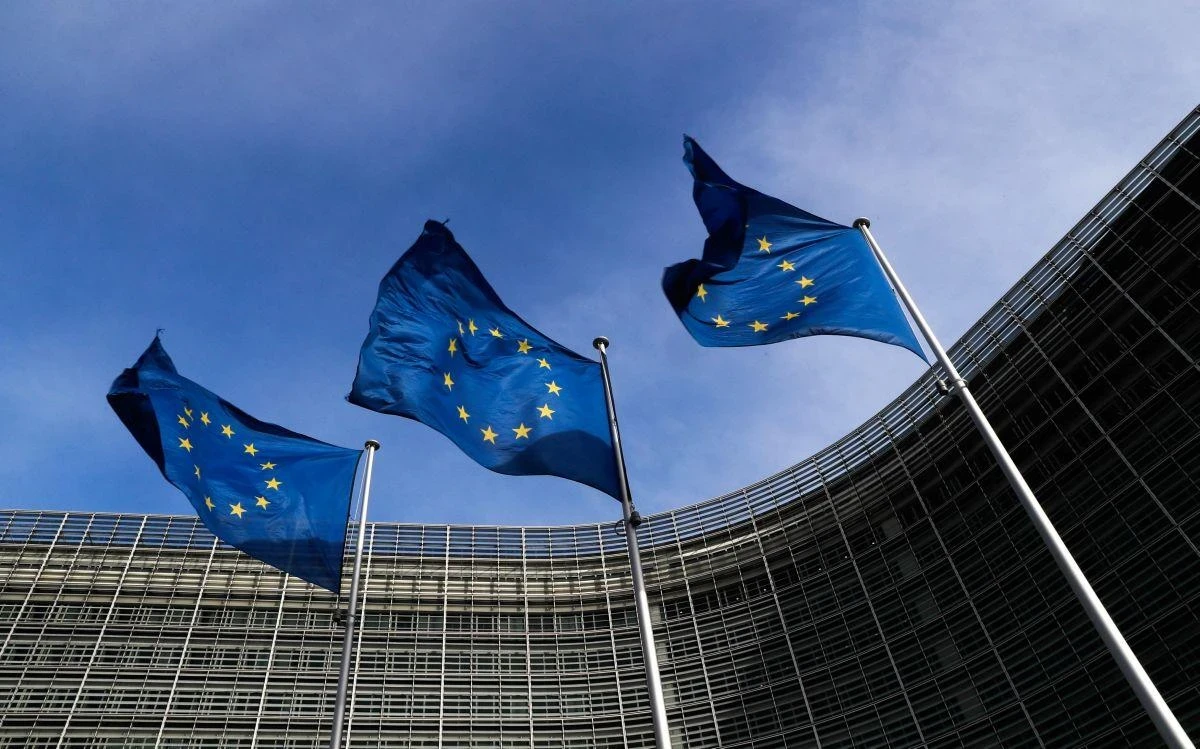
The increase in hostile statements from Washington regarding Greenland has prompted European capitals to consider the practical application of the Instrument for Countering Coercion, which came into effect at the end of 2023. This instrument provides the European Union with mechanisms to respond to economic blackmail from countries outside its membership.
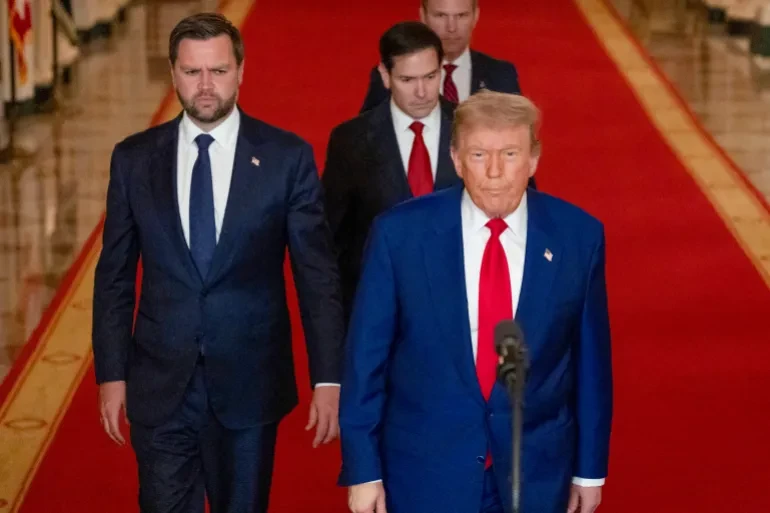
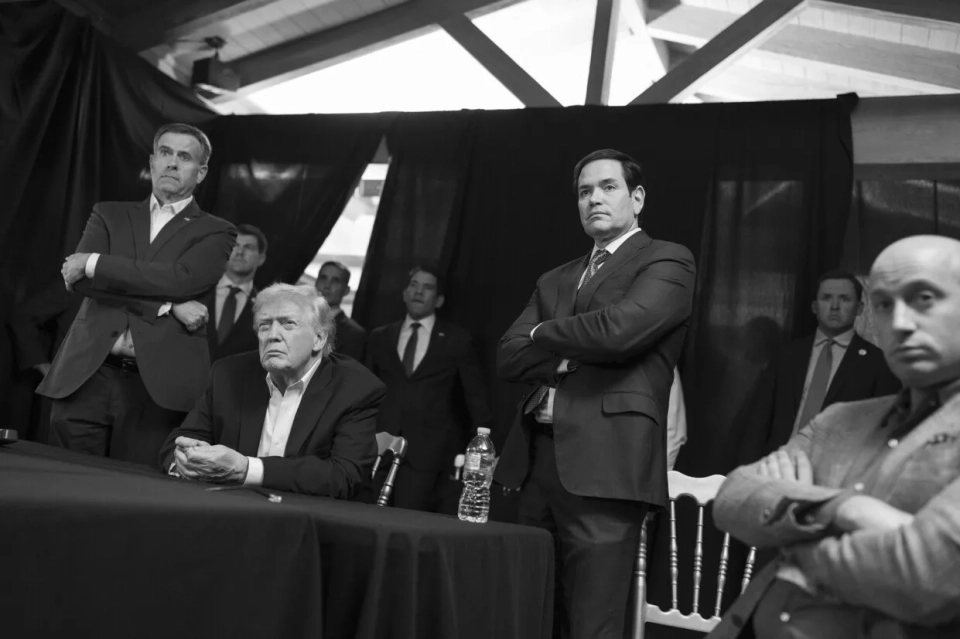
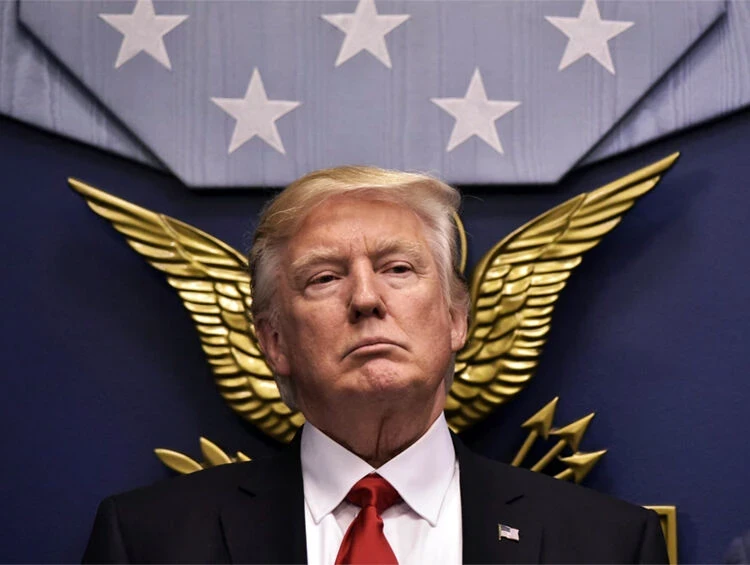
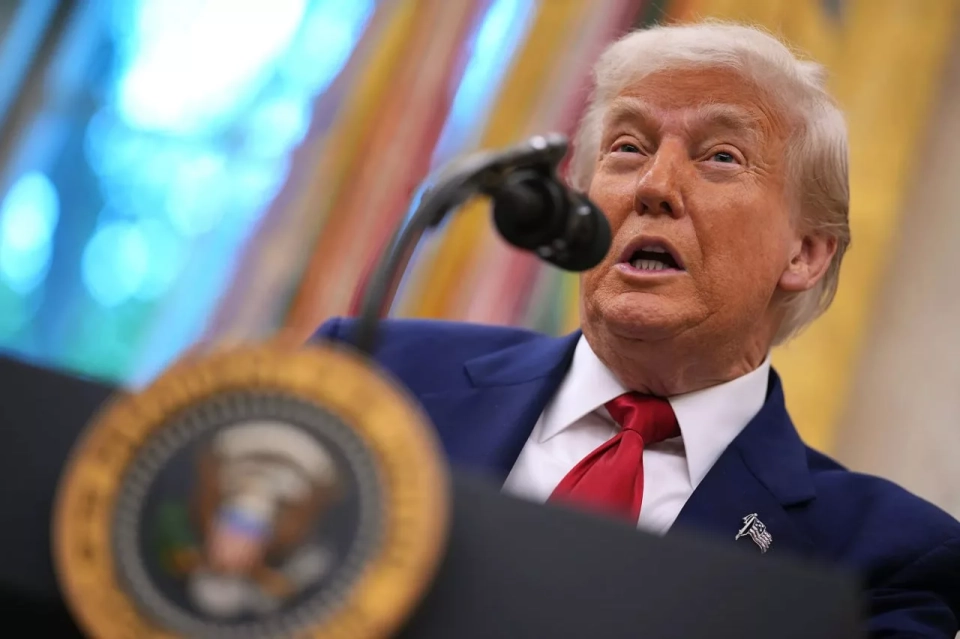
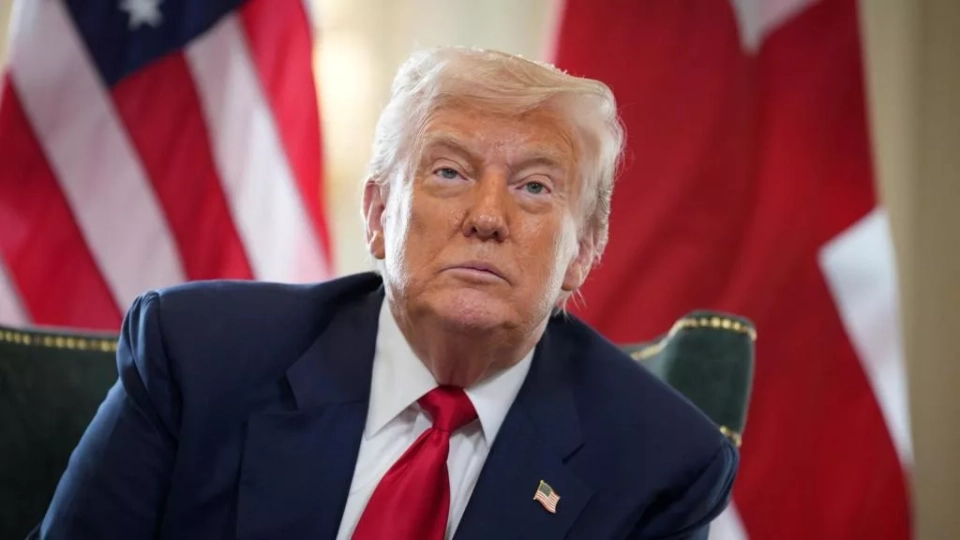
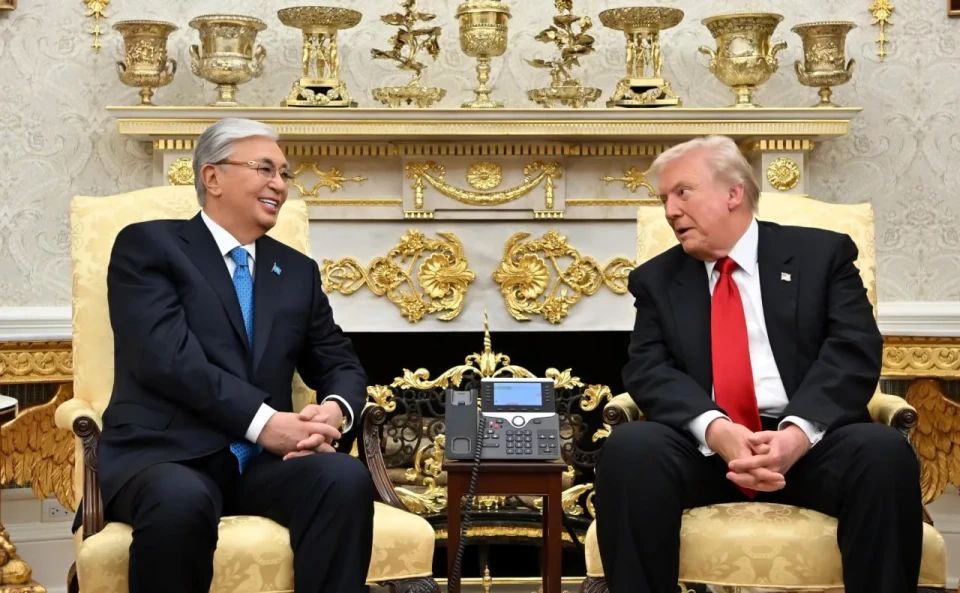
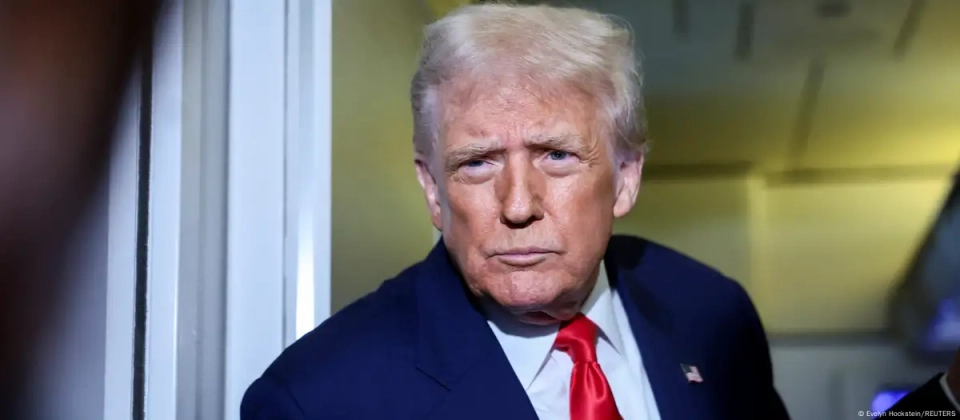
According to reports, U.S. President Donald Trump was surprised that leading European countries did not support his desire to "buy" or gain control over Greenland. In this regard, he announced the introduction of additional 10% tariffs on goods from Denmark, Norway, Sweden, France, Germany, the Netherlands, Finland, and the United Kingdom starting February 1, and plans to increase them to 25% by June. These new tariffs will be in addition to the existing 15% EU tariff that Ursula von der Leyen agreed upon last year in response to Washington's threats to impose 50% tariffs on goods from Europe.
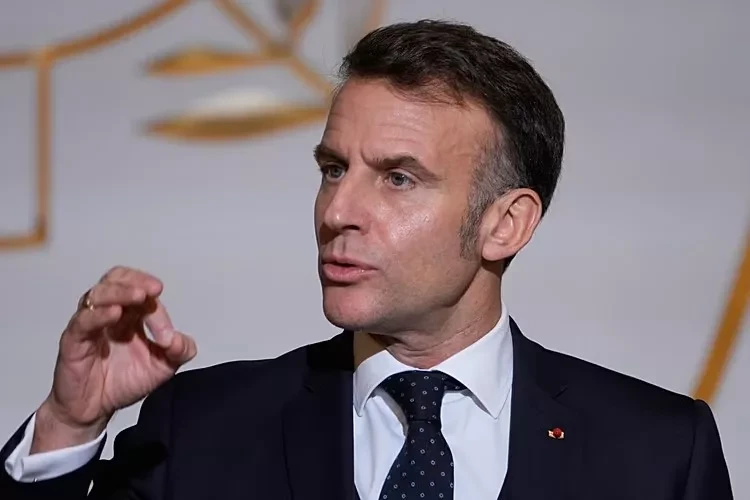
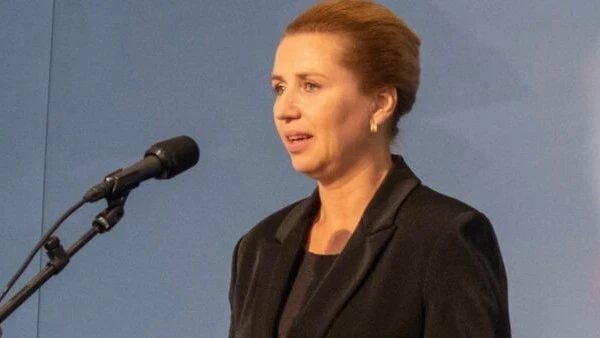
The finance ministers of France and Germany have already expressed their determination to resist economic blackmail from the U.S. Unlike Trump's previous tariff threats, which were related to trade deficit issues, the current measures clearly have a political undertone. The Instrument for Countering Coercion defines such actions as economic pressure aimed at coercing a specific outcome. This means that in the event of a conflict with one of the EU capitals, third countries will face resistance from the entire single market.
This mechanism resembles Article 5 of the NATO Charter, which states that an attack on one member of the alliance is considered an attack on all.
However, unlike NATO, the European Union does not depend on U.S. participation in its ranks, which means that actions against Washington under the Instrument for Countering Coercion will not jeopardize other American partners.
The legislation governing the Instrument for Countering Coercion establishes the procedure for activating a complaint and initiating the process. This can be initiated either at the request of a member state or on the initiative of the European Commission.
If coercion is established, an attempt will first be made to resolve the issue through dialogue. Economic countermeasures will only be considered in extreme cases and with regard to necessity and proportionality. They may include the introduction of tariffs, restrictions on imports and exports, as well as on trade in services and access to banking and financial markets.
Ultimately, this mechanism allows the European Union to restrict the "offender's" access to a significant part of the single market, regardless of existing international agreements.