As part of this project, the ministry intends to clearly separate municipal waste from other categories for more effective management at the local government level.
According to the National Statistical Committee of the Kyrgyz Republic, there has been an increase in the volume of municipal waste over the past five years:
| Volume of Waste Generation | 2020 | 2021 | 2022 | 2023 | 2024 | 2025 |
| Household Waste Collected, thousand tons | 1,175.9 | 1,229.6 | 1,339.6 | 1,505.4 | 1,646.5 | 1,761.0 |
| Per Capita, kg | 185.9 | 191.0 | 212.6 | 234.3 | 251.5 | 255.0 |
| Percentage of Total | 100 | 100 | 100 | 100 | 100 | 100 |
| Including: | ||||||
| Household Waste | 49.4 | 45.2 | 47.7 | 47.5 | 46.9 | 50.0 |
| Waste from Enterprises, Institutions, and Organizations | 18.1 | 14.5 | 21.2 | 20.3 | 17.0 | 18.2 |
| Street Waste (including waste from unauthorized dumps and park waste) | 16.4 | 17.0 | 17.0 | 15.5 | 13.8 | 15.1 |
| Market Waste | 13.2 | 17.5 | 10.2 | 5.7 | 8.8 | 10.0 |
| Other Waste | 2.9 | 5.8 | 3.9 | 10.9 | 13.4 | 15.2 |
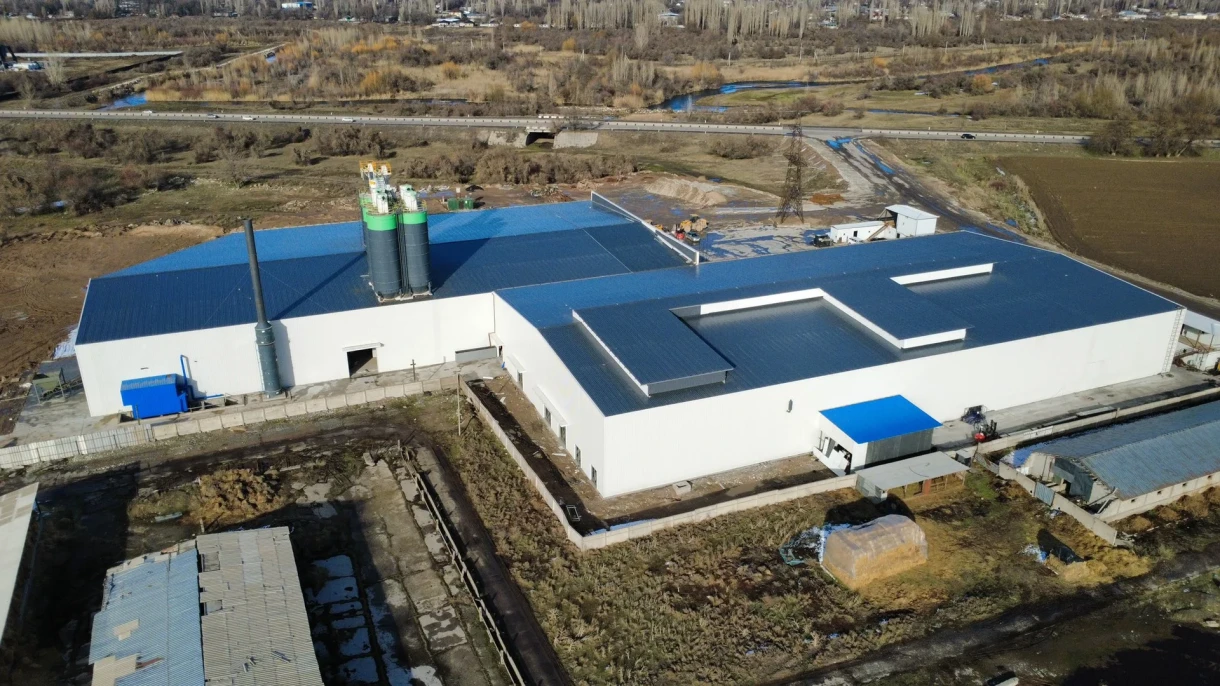
The number of illegal dumps for solid household waste is also increasing every year. As of 2022, the total volume of accumulated waste in the Kyrgyz Republic amounted to 2,777,679.3 thousand tons, with 194,640.3 thousand tons of waste generated annually, including 1,339.6 thousand tons of solid household waste. Of this volume, 123.1 thousand tons were recycled or reused, and 1.0 thousand tons were disposed of. There are about 200 enterprises in the country engaged in waste collection and recycling, including secondary raw materials.
Currently, state policy is focused on waste recycling to maximize the extraction of useful components for the production of secondary products and energy. In this regard, a list of waste types containing useful components that are prohibited from being landfilled has been compiled.
Separating useful waste from garbage (leaves, construction waste, ash, etc.) at the initial stage contributes to more effective recycling by preventing mixing and contamination.
The lack of a clearly defined list of municipal waste complicates their classification, creating legal uncertainty for local government bodies and organizations working in the field of waste management, notes the Ministry of Natural Resources.
List of Municipal Waste
No. | Name of Waste | Description |
| 1. | Expired, Contaminated Food Products and Canned Goods | Dairy products, beverages, meat and fish products, semi-finished products, baked goods, etc. |
| 2. | Food Waste, including from Public Catering | Food scraps, bones, spoiled vegetables and fruits, their peels, etc. |
| 3. | Broken Kitchen Utensils | Broken dishes, shards of ceramic and porcelain dishes, etc. |
| 4. | Contaminated Food Packaging | Spoiled packaging, including Tetra Paks and plastic bottles |
| 5. | Used Hygiene and Cosmetic Products | Napkins, diapers, cotton pads, and other personal hygiene products |
| 6. | Household and Institutional Waste | Waste that does not contain valuable components |
| 7. | Broken Wooden Products | Chairs, tables, furniture, etc. |
| 8. | Waste from Heating Installations | Ash, remnants, etc. |
| 9. | Contaminated Textile Waste | Oily rags, cloth, etc. |
| 10. | Construction Waste | Debris from bricks, cement, and other construction materials |
| 11. | Contaminated Packaging of Paints and Varnishes | Cans from paints and other chemicals |
| 12. | Compost Waste | Organic waste, tops, leaves, etc. |
| 13. | Garden Waste | Cut grass, branches, and other plant residues |
| 14. | Waste from Catering Organizations | Food scraps, contaminated packaging, etc. |
| 15. | Street and Yard Sweepings | A mixture of leaves, grass, soil, and small debris |
| 16. | Waste from Industrial Cleaning | A mixture of garbage and plant residues |
| 17. | Broken Electronic Devices | Parts of electrical appliances and their components without useful elements |
| 18. | Accessories that have lost Consumer Properties | Earrings, chains, broken glasses, etc. |
| 19. | Old Plumbing | Toilets, sinks, bathtubs, etc. |
*Note
This list defines the types of municipal waste that do not include useful components and are generated in the course of human activity in residential and production premises, in construction, and on public lands.
The hazard class of waste is established according to the Hazardous Waste Classifier and the methodological recommendations for determining the hazard class of waste, approved by the Government of the Kyrgyz Republic No. 9 dated January 15, 2010.
The list of waste types containing useful components, the landfilling of which is prohibited, is defined by the resolution of the Cabinet of Ministers of the Kyrgyz Republic No. 771 dated December 2, 2025.