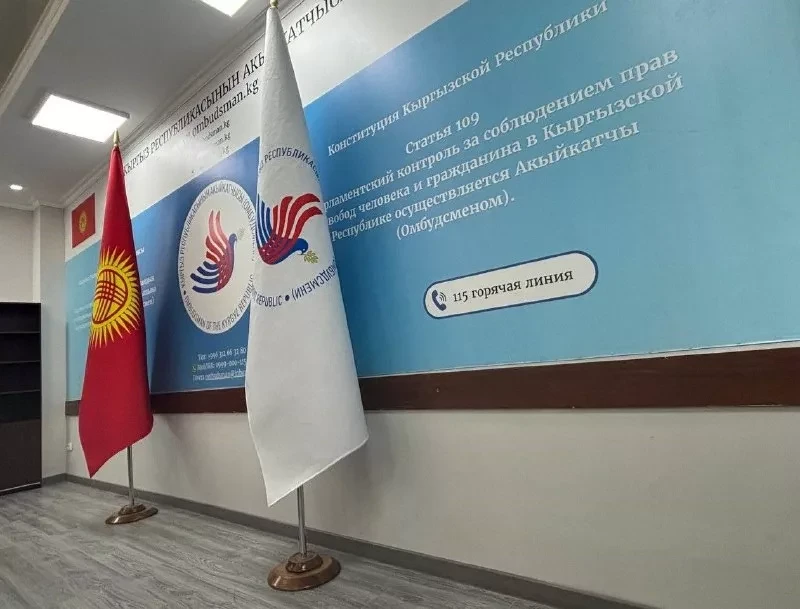
In 2025, the Ombudsman Institute registered 816 appeals from citizens seeking protection of their rights in the courts. This was reported by the press service of the institution.
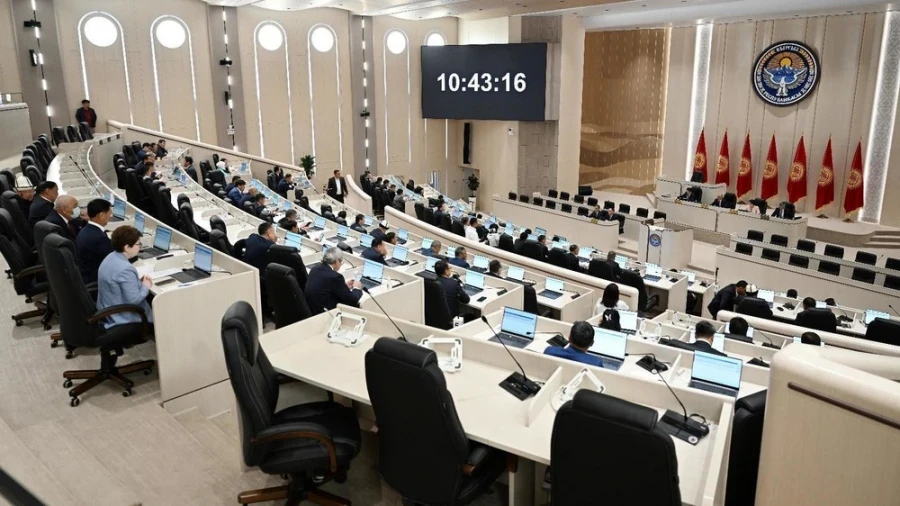
Analyzing the received appeals and the results of monitoring court sessions from the past year, the Ombudsman Institute identified several key problems in the judicial system. Most applicants expressed dissatisfaction with the court decisions made.
According to the provided data, the main issues include delays in the start of hearings, frequent postponements, a lack of courtrooms, and the absence of participants in the proceedings.
The institute received 57 complaints regarding issues related to judicial bodies and 56 concerning alimony cases. In 35 instances, citizens complained about the actions or inactions of judges, and in 19 cases, about the non-fulfillment of court decisions; there were also requests for a legal assessment of the actions of court bailiffs.
Throughout the year, 572 requests were received asking for monitoring of court processes. Of this number, 342 (57.8%) were related to criminal cases, 193 (32.9%) to civil cases, and 37 (9.6%) to administrative cases.
In most cases, specifically 61.3%, the monitoring took place in first-instance courts (district courts).
The analysis results showed that every second court session started late. Out of 270 court processes, 112 (41.5%) were postponed to other dates.
“This indicates deficiencies in the organization of court work, which leads to delays in the judicial process and, consequently, limits citizens' rights to access justice,” the statement notes.
Ombudsman Jamila Jamambaeva sent recommendations for addressing the identified violations to the Supreme Court. She also urges judicial bodies to create conditions for improving citizens' access to justice and to enhance the transparency of judicial proceedings.
Furthermore, the Ombudsman suggests strengthening control over adherence to court session schedules, ensuring timely consideration of cases, keeping records and analyzing the reasons for postponements, taking measures to eliminate them, and equipping all courtrooms with audiovisual equipment for recording sessions.