The first results of the experiment on the sterilization of male mosquitoes were announced by the International Atomic Energy Agency (IAEA) in collaboration with the Austrian city of Graz. This information was reported by the UN News Service.
According to the data obtained, the proposed method serves as a basis for creating a strategy to combat pests, which includes safe mass breeding and sterilization of insects using radiation.
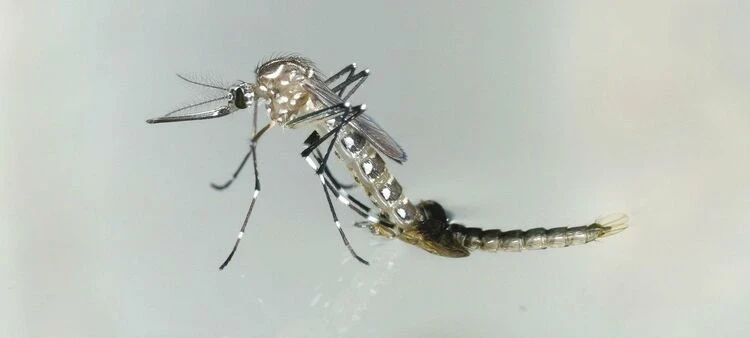
The mosquito Aedes albopictus, also known as the "tiger mosquito," was first recorded in Austria in 2012 and has since spread across all federal states of the country. Graz has noted a high population level of these insects in recent years. Against the backdrop of increasing complaints and the growing threat of arbovirus spread in Europe, the city turned to the IAEA, headquartered in Vienna, to initiate a study on the MRR method.
- The MRR method involves the release and recapture of a certain number of marked sterile male mosquitoes in a designated area to analyze the behavior of the local population.
In August and September 2025, over 800,000 sterile mosquitoes treated with radiation were released over an area of 15 hectares in the Graz gardens. This means that if they successfully mate with wild females, their offspring will not survive.
Populations of mosquitoes, including invasive species such as Aedes albopictus, are rapidly increasing worldwide and in Europe, which is associated with climate change, urban growth, and increased international trade. Rising temperatures and changing precipitation levels promote reproduction, allowing species that were previously limited to the tropics to spread to temperate latitudes. This expansion of habitat poses serious public health challenges, as mosquitoes can carry dangerous diseases, including chikungunya, dengue, and Zika virus.
"Preliminary results of the study showed high effectiveness of the applied methodology. The sterility rate of the eggs was approximately 70%, and the number of females caught in traps significantly decreased during the analysis compared to a neighboring untreated area. This confirms that sterile males successfully compete with wild ones and their release can significantly reduce mosquito populations in densely populated cities," the report states.
Based on this data, Graz and the IAEA are developing recommendations for further actions in the mosquito breeding season of 2026.