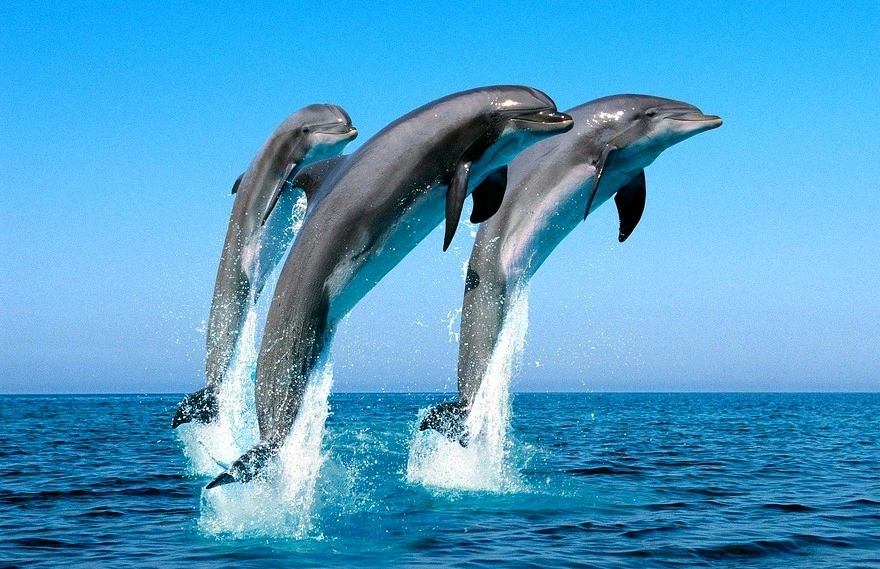
The Senate of Mexico has completed a three-year legislative initiative, unanimously approving a ban on exhibitions of dolphins and other marine mammals. This decision was a response to public outrage over animal cruelty.
The voting concluded with a score of 99 to 0, and now the new law prohibits not only the capture but also the breeding of marine mammals, except for scientific research.
Resistance from dolphinarium owners, who are often perceived as "prisons," had delayed the implementation of the amendment proposed in 2022 to ban the use of dolphins, seals, and other marine animals in entertainment events.
Mexican President Claudia Sheinbaum supported this legislation during a special session of Congress, emphasizing its importance for protecting animals from cruelty.
We are against any violence, and animal cruelty can lead to violence against people as well, Sheinbaum noted.
The new law, named the "Mincho Law" in honor of a dolphin that suffered during a performance at the Barceló Maya Grand resort in Quintana Roo, also prohibits the breeding of marine mammals in captivity, except in cases related to reintroduction.
This legislative breakthrough was made possible by stricter enforcement measures following initial approval in 2022. Deputies from both the ruling coalition and the opposition supported the reform aimed at ending the forced breeding of marine mammals and their use in various shows that are popular in the country.
No marine mammal should be exploited, whether for commercial purposes or for entertainment. Capture is only permitted for scientific purposes aimed at population recovery, the new legislation states.
Dr. Claudia Edwards, director of the Humane World for Animals Mexico program supporting the bill, noted:
This vote represents an important step towards ending the exploitation of whales and dolphins for entertainment purposes and underscores Mexico's commitment to wildlife protection and ethical coexistence.
The ban took effect immediately, and relevant regulations will be developed within a year.
Currently, about 350 dolphins are in captivity, which need to be moved to marine enclosures. Now, keeping whales and other cetaceans is only possible in open water bodies. Concrete pools and tanks are no longer allowed.
The new amendment strictly prohibits the capture of marine mammals in the wild and their breeding, except for scientific research aimed at species conservation.
Research can only be conducted by registered academic institutions and must comply with protocols approved by the Ministry of the Environment.
Reasons for the ban on dolphin shows
In March, the Federal Prosecutor for Environmental Protection in Mexico suspended performances at Barceló Maya after the release of a video showing the dolphin Mincho landing on concrete. This occurred against a backdrop of reports of the deaths of two other dolphins last year.
The prosecutor's office announced its intention to inspect all dolphinariums in the country to ensure compliance with animal welfare requirements.
In mid-May, the establishment Dolphinaris Barceló was permanently closed, and the company was fined over 7.5 million pesos. Mincho, although he survived, now suffers from chronic health issues, which has also sparked public outrage and calls for the closure of dolphinariums across the country.
Currently, there are about 30 dolphinariums operating in Mexico, most of which are located in Quintana Roo.
The new law aims to protect existing marine mammals and impose strict penalties for violations.
Environmental authorities confirmed their commitment to enforcing the new legislation at a meeting with activists, promising to review permits for keeping wild animals in captivity.
The voting was the result of years of efforts to ban the capture and exploitation of marine mammals in response to public discontent.