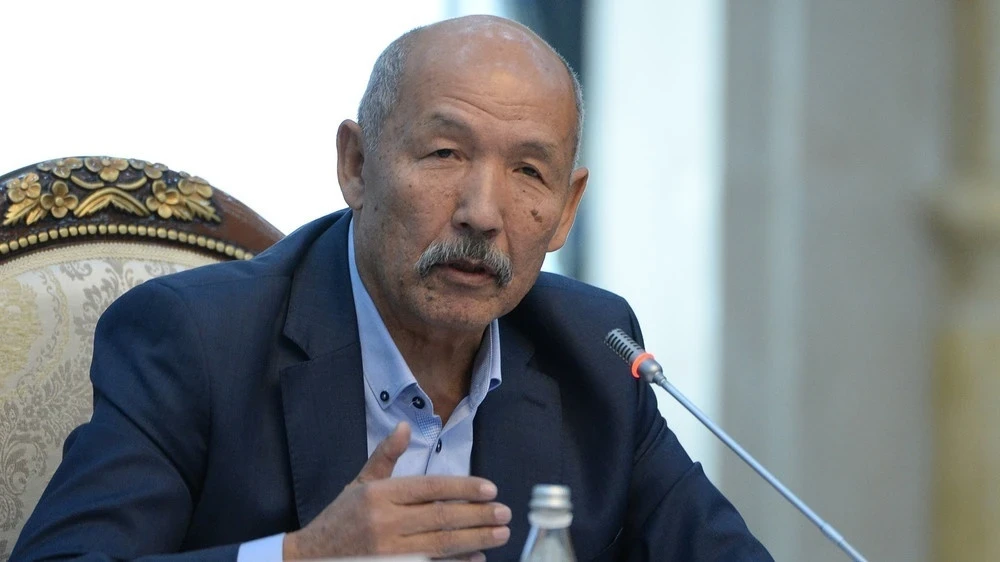
Irek Murtazin, an investigative journalist, in a new episode of his YouTube channel "Judicial Journal" titled "Ricochet of the Battle for Kumtor," revealed the connection between Canada's sanctions against Russian entrepreneur Alexander Lebedev and Kyrgyzstan's struggle for control over the Kumtor gold deposit.
The epicenter of the discussion was Lebedev's case in the Federal Court of Canada, where he is contesting his inclusion on the sanctions list, which was enacted on May 18, 2022. Murtazin notes that the description of the reasons for the sanctions has changed multiple times: initially, Lebedev was accused of links to intelligence services, then for investments in the tourism business in Crimea, and later for participating in Kremlin propaganda.
The report also emphasizes that Lebedev has never conducted business in Canada and has never visited the country. However, Murtazin believes that the imposition of sanctions coincided with Lebedev's active stance on the issue of Kumtor.
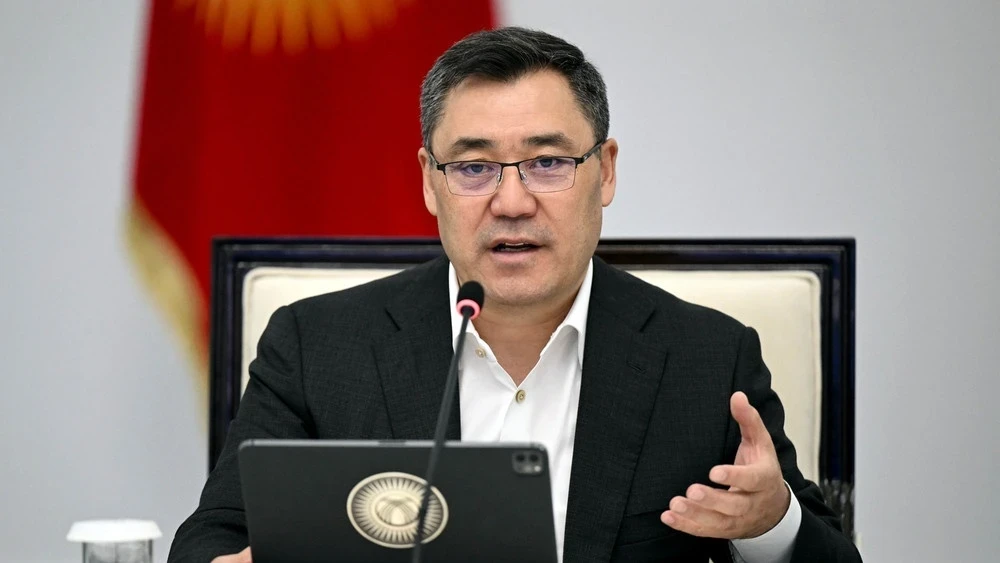
In the summer of 2021, the entrepreneur visited Kyrgyzstan, where he met with President Sadyr Japarov and visited the Kumtor gold mine. After that, he published a series of sharp statements on social media, condemning the actions of foreign investors operating in the area. Lebedev pointed out that the mine is located at an altitude of about 4,400 meters, has been in operation for over 25 years, and the total revenue has exceeded 12 billion dollars, while Kyrgyzstan received only a small portion of that amount.
On his internet page, Lebedev also supported the actions of the Kyrgyz government, emphasizing that they are aimed at returning the "stolen gold."
He expressed the opinion that this is an unprecedented attempt to restore justice, stating that foreign investors bribed Kyrgyz authorities and avoided oversight from regulators and tax services. Lebedev noted that this has led to significant harm to nature and threatens the health of more than three and a half thousand people working and living in the area, referring to millions of tons of waste left on the glaciers of the Tien Shan.
According to him, the glaciers could collapse at any moment, posing a threat to people's lives or polluting rivers in Central Asia.
Investors, he claims, did not pay all taxes and only provided minimal dividends: over 25 years, they made 27 billion dollars in profit, while payments to Kyrgyzstan amounted to just 87 million dollars.
Murtazin suggests that the tough stance of the Kyrgyz authorities and Lebedev's public support could have caused dissatisfaction among foreign investors who previously received significant profits from the development of Kumtor.