The synchronicity of these resignations has sparked numerous discussions and speculations that such coincidences cannot be accidental. Let’s examine the situation in more detail.
Kyrgyzstan: Departure of Kamchybek Tashiev
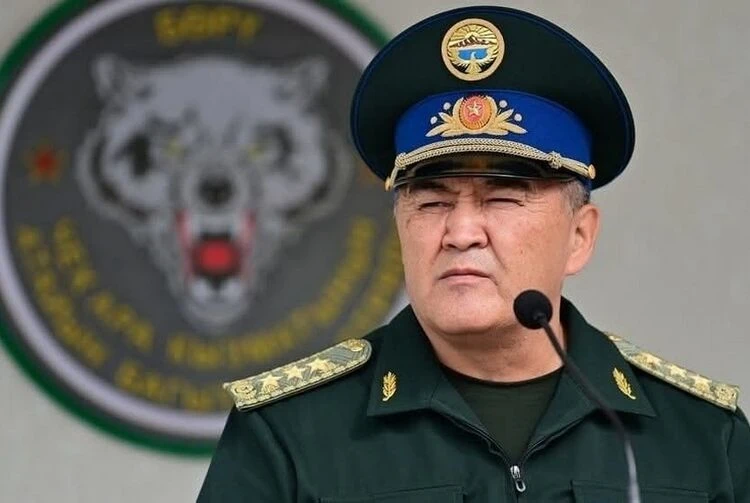
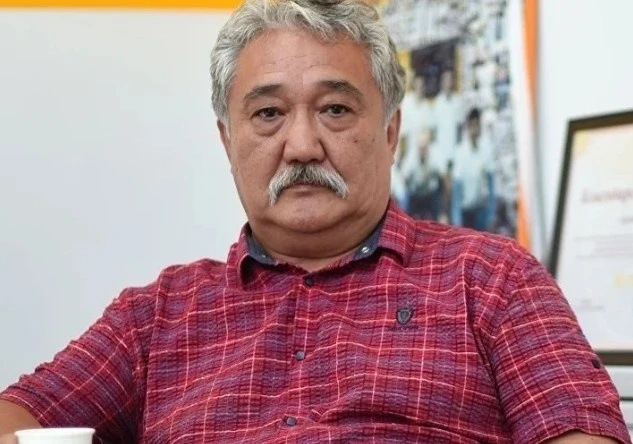
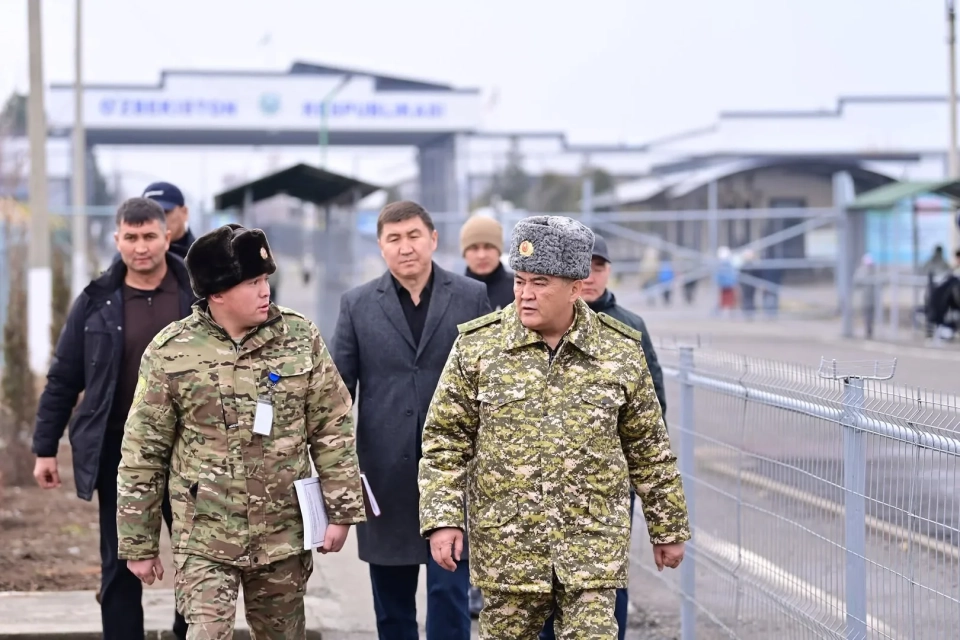
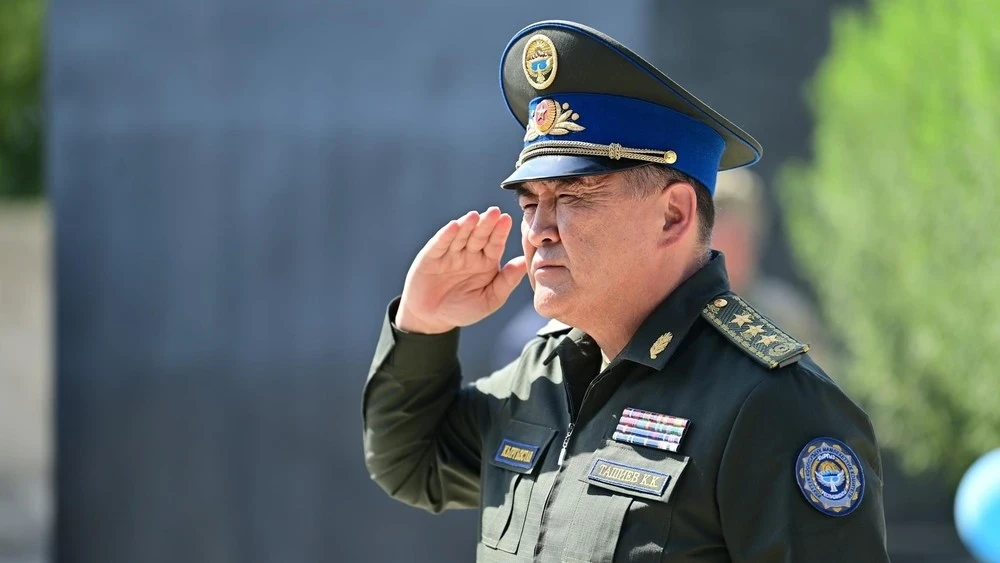
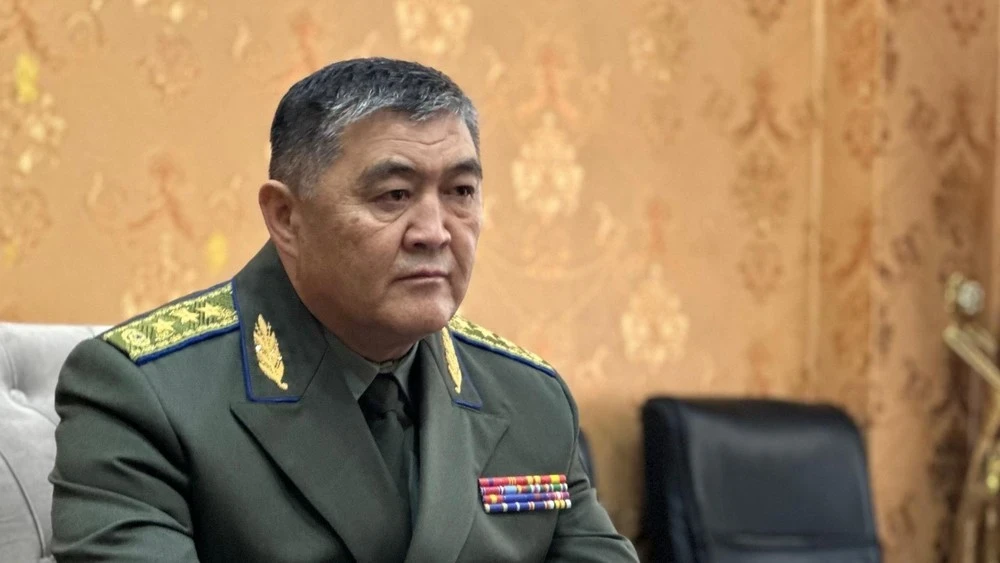
On February 10, the President of Kyrgyzstan, Sadyr Japarov, signed a decree on the resignation of Kamchybek Tashiev, who held the positions of head of the GKNB and deputy chairman of the cabinet of ministers. This event was significant for the country, as Tashiev had played a key role in the security block and political life of Kyrgyzstan since October 2020.Photo from the archive. Kamchybek Tashiev
Despite experts' concerns, Tashiev's resignation did not lead to serious upheavals in the system or mass protests. State bodies continued to function as usual, indicating the stability of the political system.
Turkey: Changes in the Ministry of Internal Affairs and the Ministry of Justice
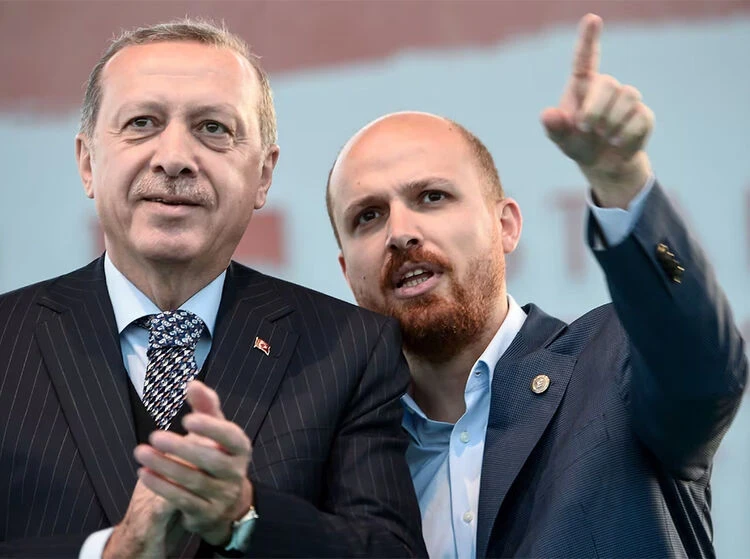
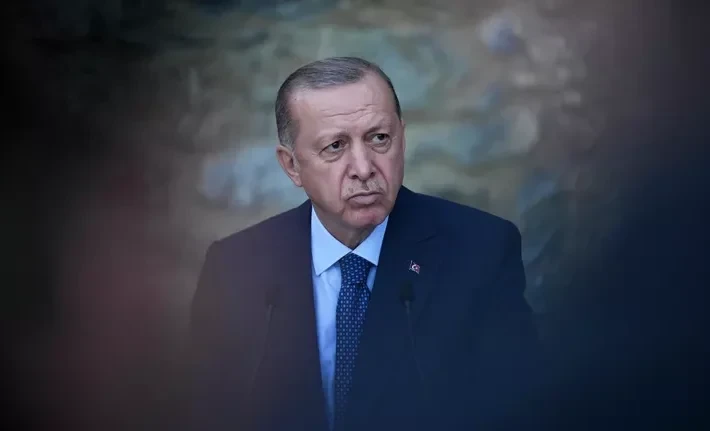
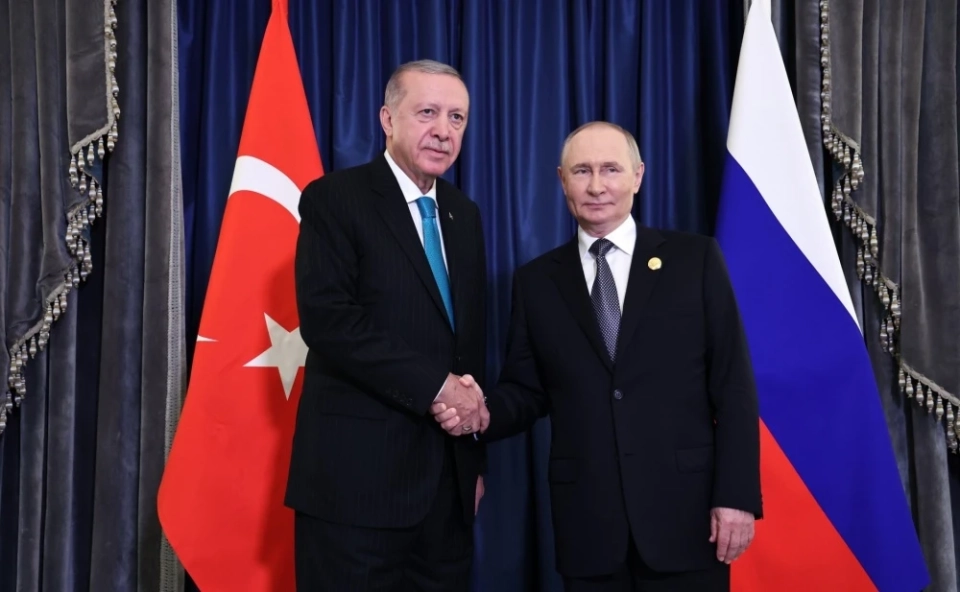
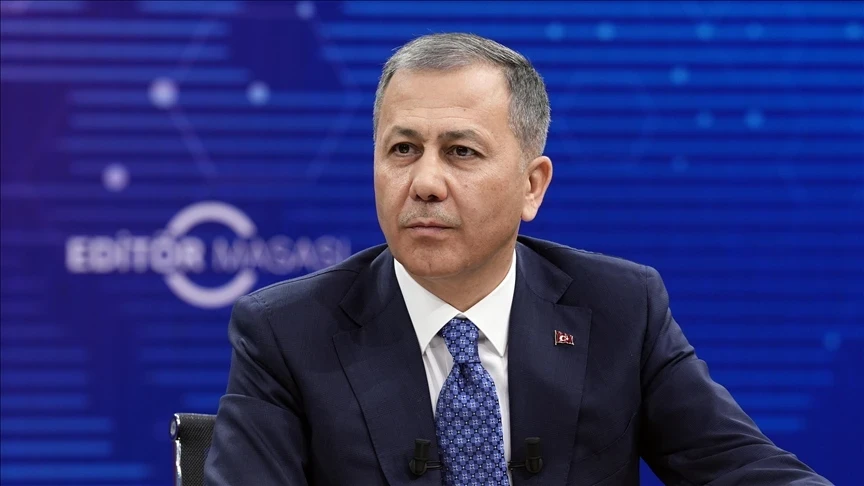
On the night of February 10 to 11, Turkish President Recep Tayyip Erdoğan accepted the resignations of Interior Minister Ali Yerlikaya and Justice Minister Yılmaz Tunç. According to political Telegram channels, such changes do not occur without significant reasons.Although both ministers formally resigned voluntarily, the reasons for their resignations were not disclosed, and new appointments have already been made. Given the importance of the Ministry of Internal Affairs in Turkey's political system, such personnel decisions always have strategic significance, especially in the context of current international tensions.
Turkmenistan: Change of Leadership in the Security Sector
On February 13, it became known that Nazar Atagarayev was relieved of his duties as Minister of National Security of Turkmenistan. The official reason given was "transfer to another job." In the closed political system of Turkmenistan, such resignations are rarely accompanied by explanations; however, they could be part of a broader picture of changes in the region.
Tajikistan: Head of GKNB Remains in Place
While other countries are experiencing personnel reshuffles, the head of the GKNB of Tajikistan, Saymumin Yatimov, reportedly remains in his position. Rumors about his possible resignation have not been confirmed, nor has information about his trip to Munich for treatment, where Tashiev was also present.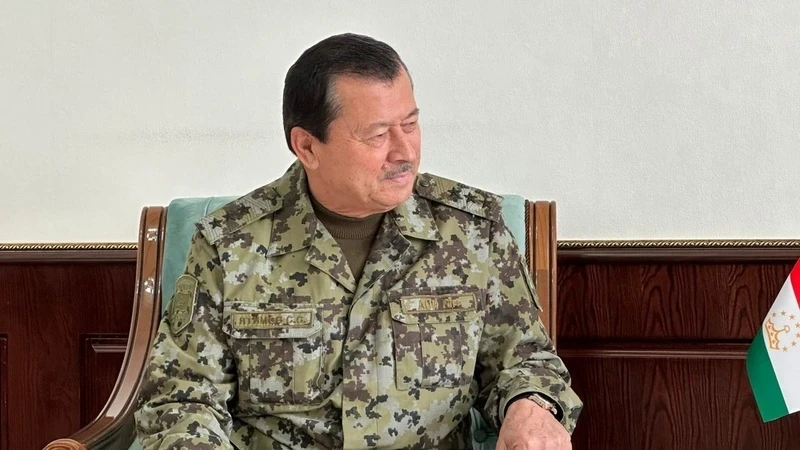
What Do Three Resignations in a Week Mean?
Four countries, three notable resignations, and one possible pause in Tajikistan. Analysts propose several theories regarding these synchronous personnel decisions.Firstly, it can be assumed that this is part of another cycle of elite renewal in the region, coinciding in timing. In post-Soviet countries, as well as in Turkey, security structures play a key role in ensuring stability, and personnel rotation may be part of the management logic to maintain balance and prevent excessive concentration of power.
From this perspective, the changes in February may represent an internal restructuring of the system.
It is also possible that this is simply a coincidence, and there is no need to search for deeper meanings.
Secondly, the resignations of security leaders could indicate a desire for increased control by heads of state. When presidents make such decisions, it may signify a shift towards a more centralized form of governance.
The third aspect is geopolitical. Although the resignations were not initiated from outside, the current regional situation requires a new approach to managing security agencies, which play an important role in both internal control and adapting to external challenges.
Of course, one cannot rule out conspiracy theories suggesting that all these resignations are interconnected. Although there may theoretically be a coherence of actions, there is currently no evidence of a unified scenario or external coordinating center.
Most likely, we are observing parallel processes that have coincided in timing.
Nevertheless, these events underscore that security structures in several countries in the region are undergoing a reboot phase. This is not a sign of crisis but rather an indication of transformation, where institutional factors begin to prevail over personal ones.