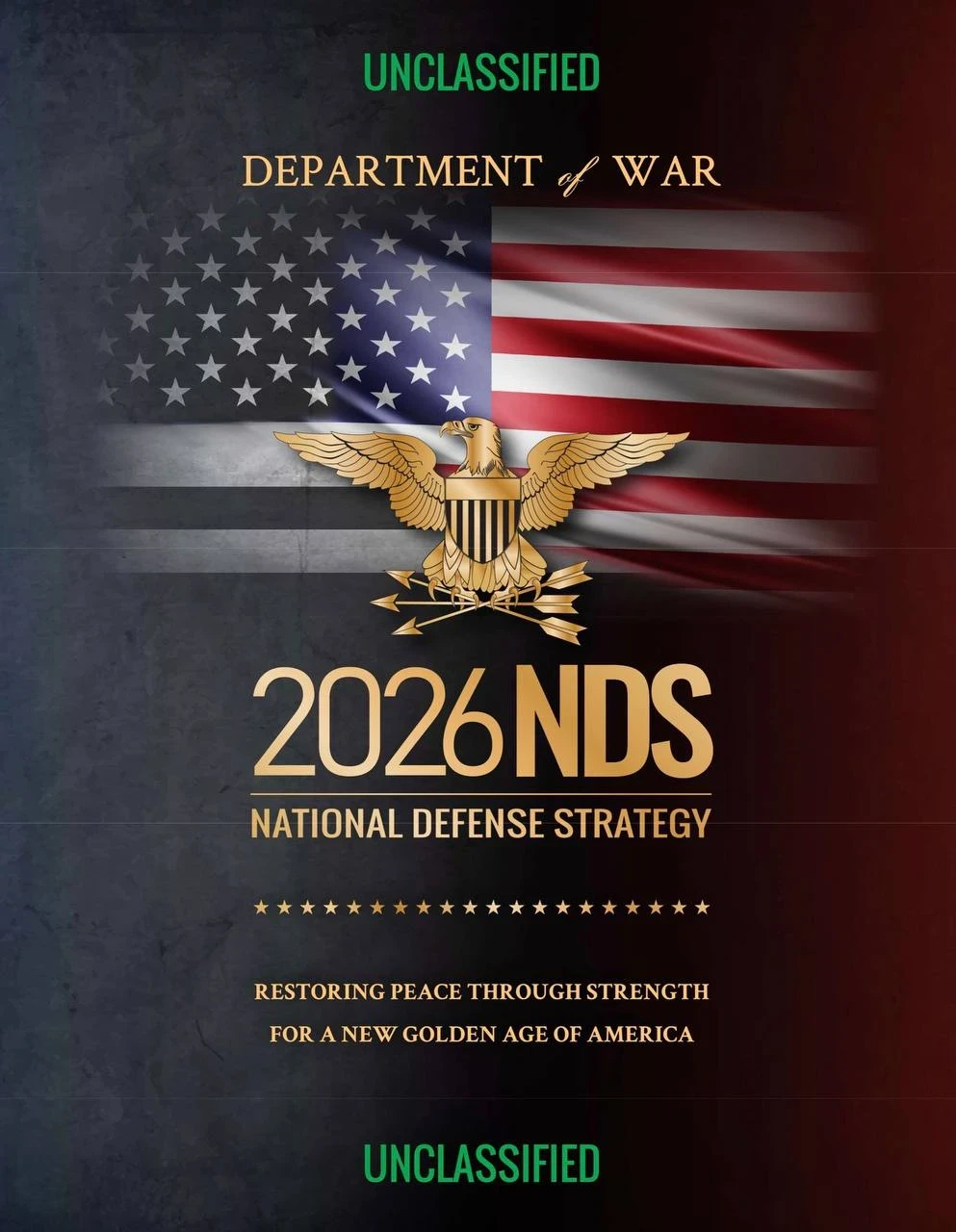
In this document, China is identified as the primary long-term strategic competitor. However, Washington's approach to Beijing does not imply regime change or open conflict.
Russia is presented as a managed threat to NATO's eastern flank, with an emphasis on its nuclear, cyber, and underwater capabilities. The military threat from the Russian Federation is viewed primarily as regional.
According to the U.S. statement, Russia does not possess sufficient resources to establish hegemony in Europe.
NATO's European allies bear the primary responsibility for the conventional defense of the continent and support for Ukraine.
Key strategic locations for American interests are identified as Greenland, the Panama Canal, and the Arctic.
North Korea is also highlighted as a growing threat, particularly in terms of its nuclear and missile forces aimed at the U.S. territory.
It is important to note that the Pentagon will continue to play a critically important role within NATO, despite changes in the U.S. military presence in Europe.
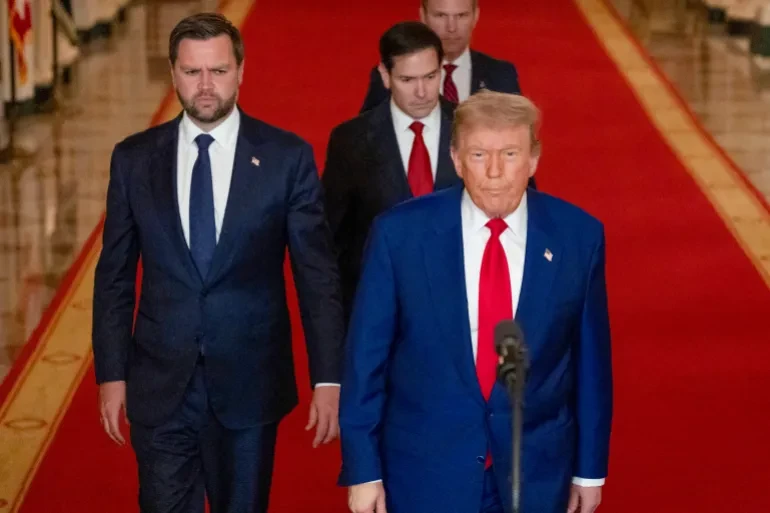
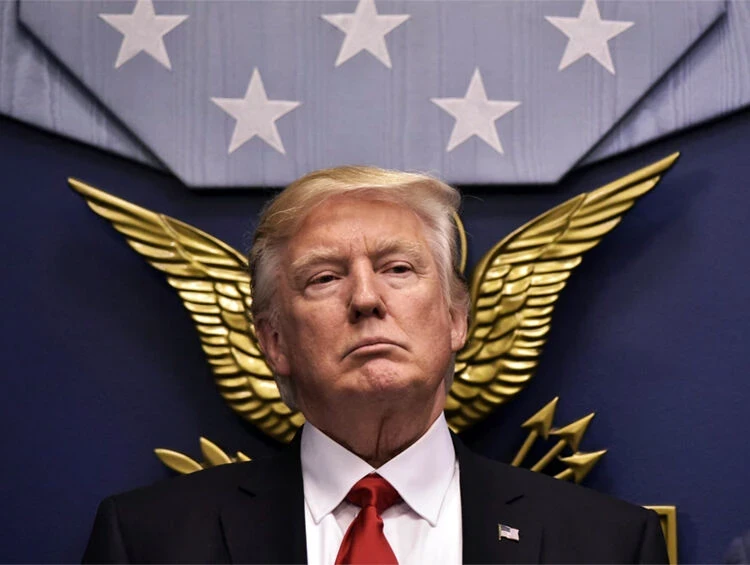
It is worth reminding that in December 2025, the U.S. updated its National Security Strategy, marking the first significant revision during Donald Trump's second presidential term.