The International Olympic Committee (IOC) is considering moving the upcoming Winter Olympics to January, which is a change from the traditional February schedule. This decision is driven by the need to create more suitable conditions for competitions in snow sports.
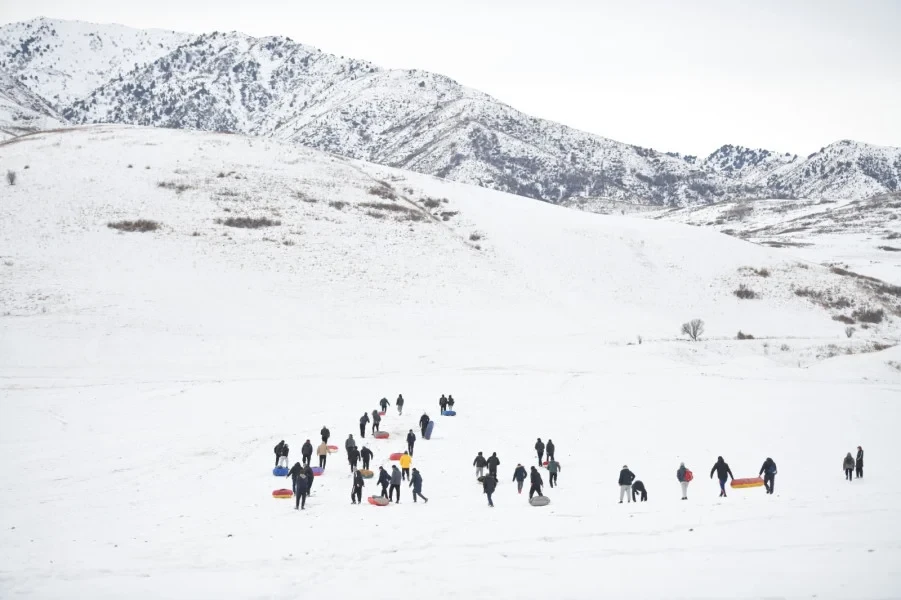
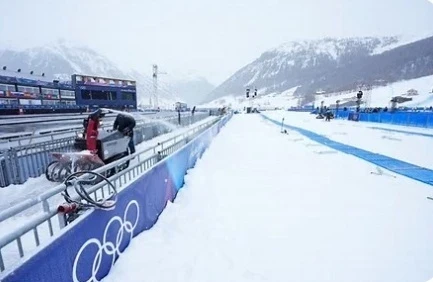
The reason for this move is global warming and the decrease in natural snow levels, which complicates the preparation and use of snow tracks. A potential shift could lead to conflicts with the World Cup calendar and coincide with the NFL and NBA seasons, creating additional challenges for athletes and broadcasters.
Karl Stoss, an IOC representative, commented on the situation as follows:
“We are discussing the possibility of moving the Games to January, as March is becoming too late — the sun's warmth actively destroys the snow cover. This also applies to the Paralympic Games.”
According to an IOC study, by 2040 only ten countries will be able to host winter Olympic and Paralympic competitions in snow sports. At the Beijing Olympics in 2022, almost entirely artificial snow was used for the first time, created with the help of more than a hundred generators.
The final decision on the potential change of dates will be made at the IOC meeting in June as part of the "Fit For The Future" program, which also discusses the possibility of introducing new sports at the 2030 Games in the French Alps and the 2034 Games in Utah.