Researchers from Europe and China have created an innovative artificial intelligence system that can predict the risk of premature death, as well as the development of internal bleeding and ischemia in individuals suffering from both cancer and cardiovascular diseases. The press service of the University of Zurich in Switzerland shared this information.
Professor Thomas Lüscher from the University of Zurich explained that the new methodology takes into account the interplay between tumors and cardiovascular diseases, which is a significant advancement in the field of personalized medicine. This will help doctors determine which patients require invasive methods and intensive drug treatment, and for which patients these approaches may be more risky than beneficial.
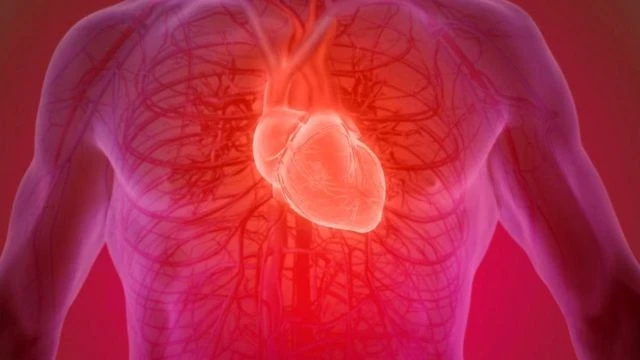
According to the scientists, the presence of various tumors in the body significantly increases the likelihood of developing serious cardiovascular diseases such as ischemia, strokes, and heart attacks. This occurs because some tumors can trigger inflammatory processes and contribute to the formation of blood clots, negatively affecting the functioning of the vascular system.
When choosing therapy for cancer treatment, it is crucial to consider changes in the patient's body and their predisposition to cardiovascular diseases. However, in practice, this is not always achievable due to the lack of reliable risk assessment methods. In this study, European and Chinese scientists analyzed data collected from observations of 1.1 million people from Britain, Switzerland, and Sweden suffering from serious cardiovascular diseases.
During these observations, around 47,000 patients were diagnosed with cancer, allowing researchers to assess the impact of tumors on the risk of death and the frequency of complications related to cardiovascular diseases. Using the collected data, medical professionals trained an AI system that analyzes various indicators and assesses the likelihood of death or the development of complications.
Testing of this algorithm showed that it accurately assessed the risk of death for approximately 84% of patients and correctly predicted the likelihood of severe bleeding and ischemic attacks in 70-79% of patients. In the future, such a system will enable doctors to more accurately evaluate the risks of complications in cancer patients with cardiovascular issues and select safer and more effective treatment methods, the researchers concluded.