AI analyzes brain waves, heart rate, breathing, and muscle activity of a person during sleep. Specialist James Zou from Stanford University, one of the authors of the study, claims that AI can predict diseases years before the first signs appear. The model, named SleepFM, was created under the guidance of Rahul Tapa, a biomedical data expert from Stanford, and trained on a database containing hundreds of thousands of hours of observations from sleep laboratories.
From Sleep Signals to Disease Predictions
Polysomnography is a method of studying sleep that allows tracking various parameters of the body throughout the night, including brain, heart, breathing, and eye and limb movements. About 585,000 hours of data collected from approximately 65,000 patients, primarily examined at the Stanford Sleep Medicine Center, were used to train the SleepFM model.
During the pre-training process, the AI learned to statistically process data on brain, heart, and breathing signals during sleep. The model was then refined to perform tasks related to sleep stage determination and apnea diagnosis. As a result, its performance is comparable to that of other well-known models, such as U-Sleep and YASA, which analyze electroencephalography data.
After that, the researchers compared sleep data with electronic medical records from the past 25 years to determine which diagnoses could be predicted based on nighttime observations. The model identified 130 diseases from over a thousand categories, predicting risk with moderate to high accuracy. Rahul Tapa notes that this approach opens a new path for monitoring long-term health through routine sleep measurements.
Predicting diseases such as dementia, Parkinson's disease, heart failure, and certain types of cancer proved to be particularly accurate. Expert Sebastian Buschger from the Lamarr Institute emphasizes that AI can be trained for a wide range of predictions if the relevant data is available.
What AI Looks for in a Sleeping Person's Body
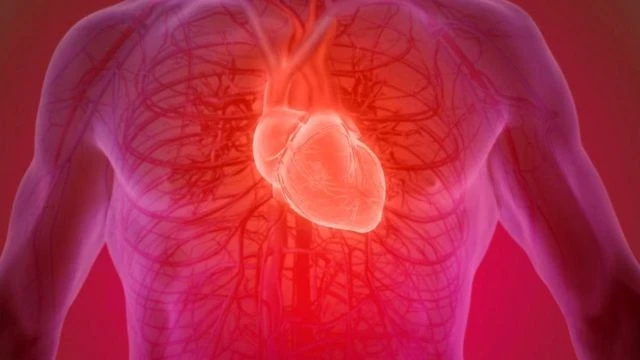
The analysis showed that heart signals are crucial for predicting cardiovascular diseases, while brain signals are important for identifying neurological and mental disorders. The most informative combination is different signals, for example, when electroencephalography indicates stable sleep, but the heart rate remains elevated.
Such discrepancies may signal hidden problems or early stages of diseases. AI specialists can use such correlations for predictions, but they emphasize that causal relationships must be confirmed by medical experts.
Reliability of Laboratory Data
The model's initial data primarily comes from sleep laboratories where patients with problems are referred. Researchers integrated data from several American and European groups, but there is still insufficient representation of patients without sleep problems and individuals from less developed regions in the sample.
The model is undergoing additional testing as part of an independent study, but data on people without sleep problems is still underrepresented.
Prospects and Limitations of Diagnosis and Therapy
It is important to note that SleepFM does not identify the causes of diseases but only records correlations. The model operates on statistical patterns that may indicate possible diagnoses.
Matthias Jacobs, a computer scientist from the Technical University of Dortmund who did not participate in the study, explains that most AI methods are not capable of recognizing causal relationships. Nevertheless, he sees potential for diagnosis and treatment, even based on statistical correlation.
AI in Medicine: An Auxiliary Tool, Not a Replacement
Models like SleepFM can process large volumes of polysomnography data, turning them into compact numerical matrices and allowing for faster and more accurate analysis. This significantly simplifies the description of sleep stages and the diagnosis of apnea, which usually requires a lot of time and can be prone to errors.
Sebastian Buschger emphasizes the importance of collaboration among different disciplines: “AI can effectively plan therapy, but final decisions are made by doctors who interpret the results, often without knowing all the causes.” Thus, AI remains a tool for early warning, while the responsibility for diagnosis and treatment lies with medical professionals.
It is still unclear whether the identified patterns can indicate the biological mechanisms underlying them, but researchers believe there is significant potential in this direction.
If certain signals obtained during sleep are consistently linked to specific diseases, this could help identify which processes in the nervous, cardiovascular, or immune systems are disrupted in the early stages of illness. It may also provide insights into the health of individuals not included in the groups observed in laboratories.