The Munich Security Conference, which has been around for over 60 years, has in recent years begun to release annual reports under the leadership of Wolfgang Ischinger. The new 2026 report is one of the most pessimistic, noting that the “era” when Europe could rely on the American security “umbrella” has “ended.” According to Ischinger, US allies can no longer be confident in the support and stability of American policy.
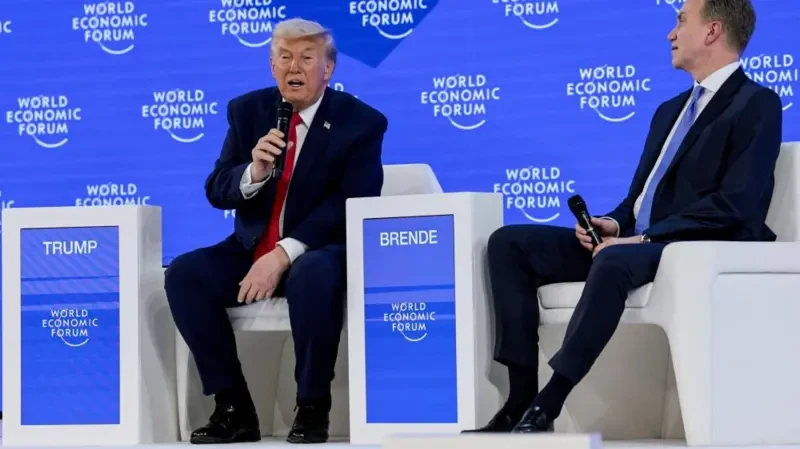
What awaits Europe in its relations with America after recent events, such as Trump's speech in Davos and the crisis surrounding Greenland? This question will be central at the upcoming forum in Munich, which will take place on February 13 with the participation of world leaders.
Europe without American protection
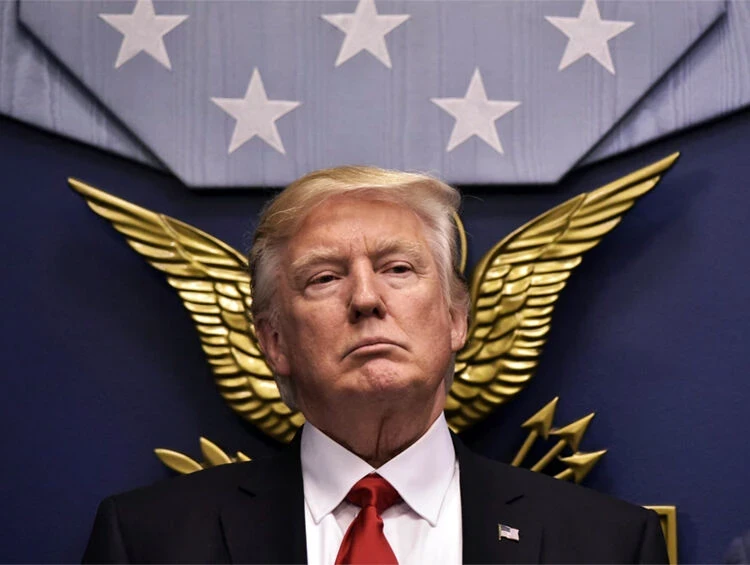
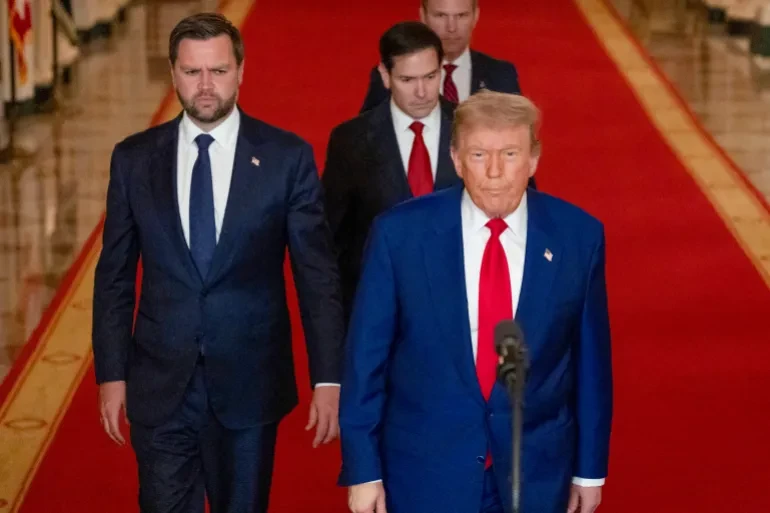
The report does not offer specific solutions for the future, emphasizing that the US approach to security in Europe is stumbling between “support and coercion.” The forecasts appear bleak overall, as the authors believe the world may fall under the control of “regional hegemons” who set the rules in their spheres of influence.
Brief overview of the position on Russia's war with Ukraine
In the report, Ukraine is described as “one of the first victims” of the new world order, with an emphasis that the conflict is not viewed as an issue of sovereignty and international law, but rather as a subject of negotiation among the powerful. This creates a necessity for European countries to adapt, looking more towards Washington than Moscow. The authors stress that “hope is not a strategy” and call for concrete actions.
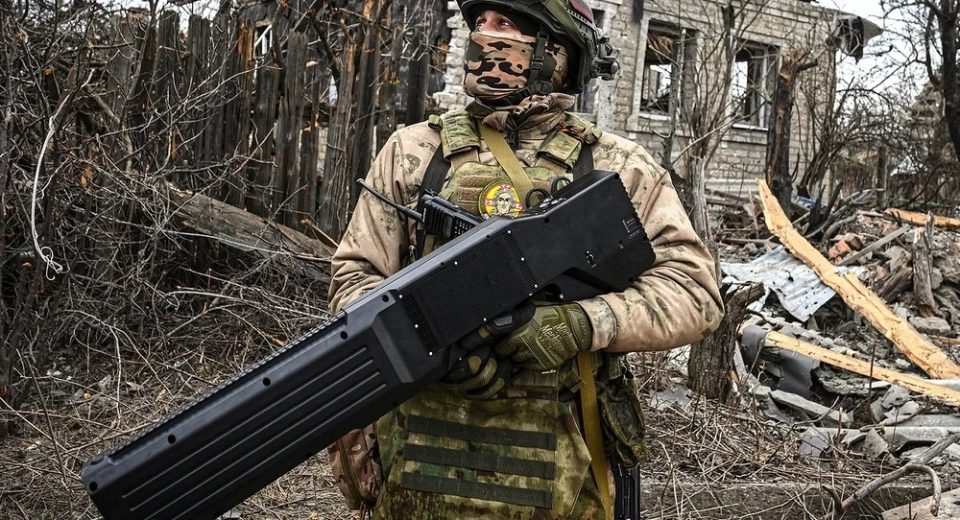
This year, the topic of Russia's war against Ukraine received less attention than in previous years. Despite the ongoing conflict, the authors note that Europe still supports Ukraine, but with varying degrees of activity, which is explained by the economic capabilities of the countries in the region. Unsuccessful attempts to use frozen Russian assets to aid Ukraine have revealed limitations in the unified European response to Russian aggression.
Changing perception of the threat from Russia
Although Europeans continue to speak of intimidation attempts from Moscow, the results of the Munich Security Index show that residents of Western countries are becoming less sensitive to the threats posed by Russia. This year, a survey was conducted in 11 countries, including the G7 and BRICS (excluding Russia), showing that the perception of risks has changed. For example, the risk from Russia in the eyes of G7 citizens has dropped from second to eighth place among 32 threats.
Despite the decrease in the level of threat, Russia is still perceived as a significantly more serious risk than the US, although in China and India, attitudes towards it remain positive. In Germany, where the perception of the threat from Russia remains the highest among the G7, it has also decreased over the year.
The authors of the report emphasize the need for more decisive actions from European countries, citing groups such as “Weimar Plus” and the “European Five” as examples. Indecision could leave Europe “in a gray zone between competing spheres of influence,” which requires attention and activity from the continent's leaders.