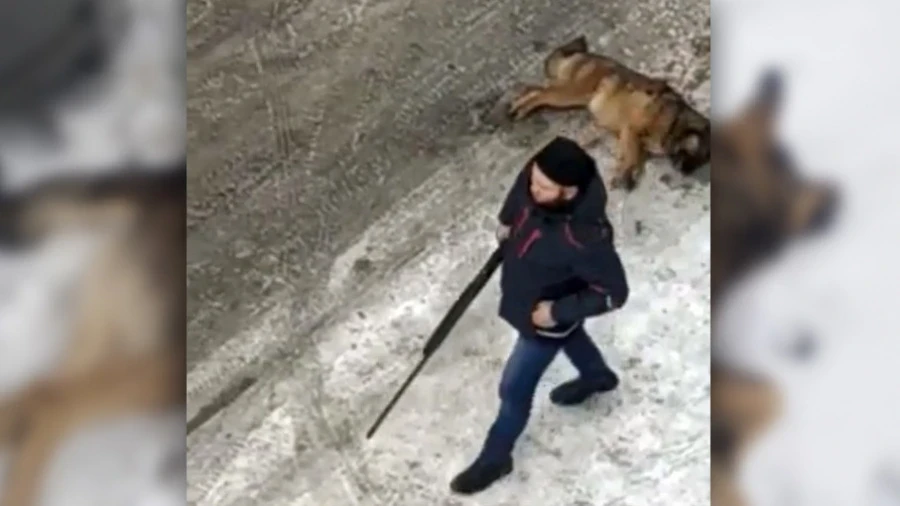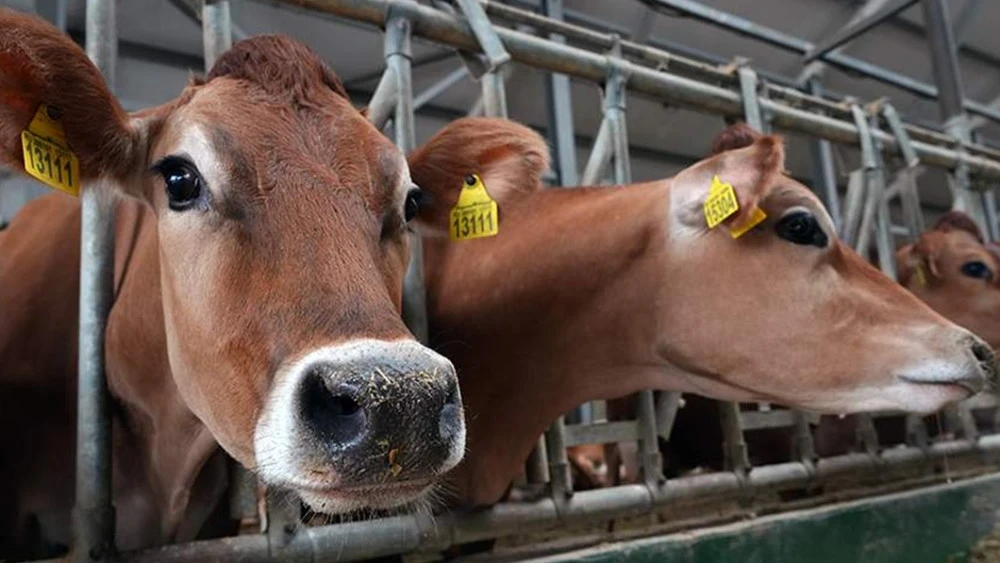
A state of emergency has been declared in the Novosibirsk region due to outbreaks of rabies and pasteurellosis among livestock. This was announced by the head of the regional Ministry of Agriculture, Andrey Shindelov, on March 16, a week after the start of public protests against the mass culling of animals. This was reported by The Moscow Times.
According to the minister, the state of emergency was introduced on February 16, and the authorities are taking measures "to localize and contain the particularly dangerous disease," which is bringing "great benefits." The confiscation and destruction of livestock from Novosibirsk farmers began in early March, as stated by the regional Ministry of Agriculture, due to an outbreak of rabies. Authorities urged the vaccination of animals and promised to provide compensation "without fail." It was reported that since the beginning of the year, 42 rabies outbreaks had been recorded in the region, and quarantine had been declared in five districts.
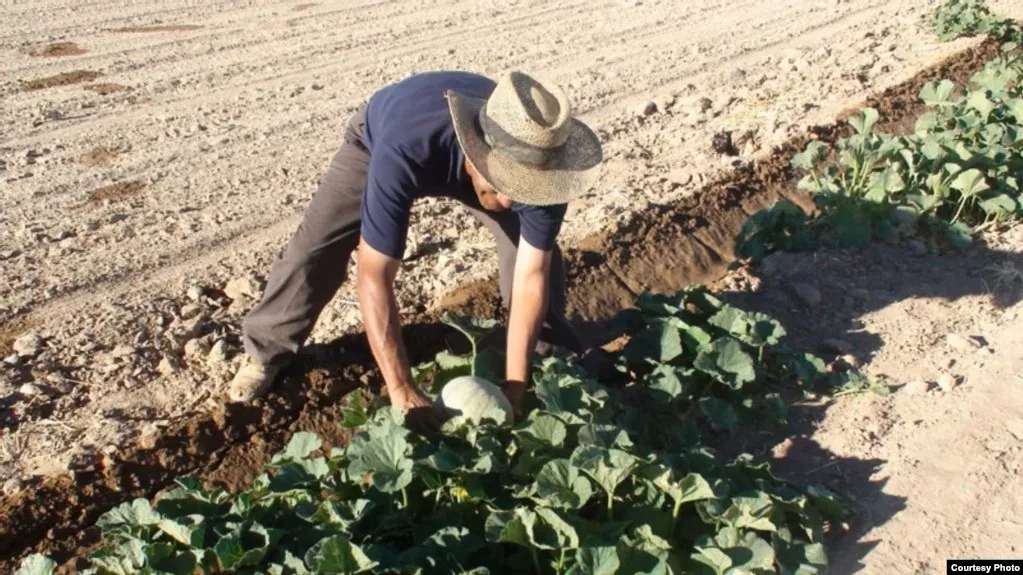
Activists dissatisfied with the authorities' actions claim that cases of mass livestock destruction began as early as February. According to information from the "Agrarian Council" channel, a collective appeal in defense of animals states that by March 2026, 2,000 head of livestock have been destroyed in the Novosibirsk region (in the villages of Kozikhi, Novoklyuchi, Lukoshino, and Kalinovka). Protesters claim that a total of 5,800 animals have been destroyed since the beginning of the year, including livestock from the Omsk and Penza regions and the Altai Republic. They believe this threatens the country's food security and violates the constitutional rights of owners.
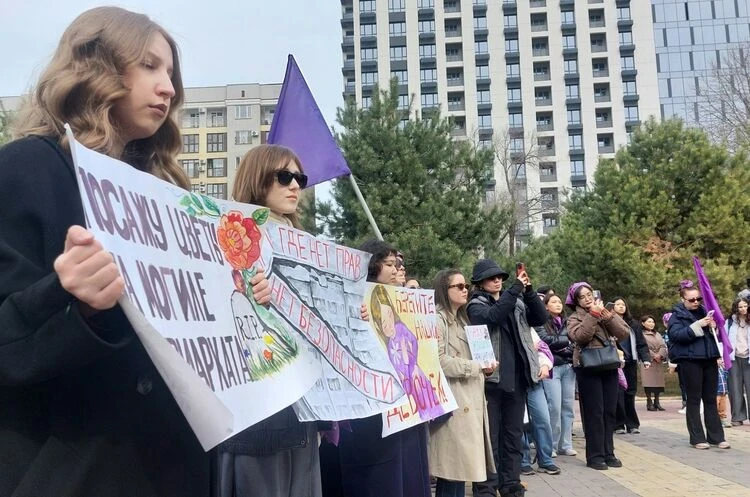
Protests against the confiscation of animals began on March 7: residents of the village of Novopichugovo blocked roads to stop the destruction of cows. The protests spread to other settlements, where farmers, for whom livestock is the only source of income, expressed dissatisfaction that their animals were being taken without tests, even though the cows appeared healthy.
After that, residents of the village of Kozikha in the Ordynsky district appealed to the head of the Investigative Committee, Alexander Bastrykin, and President Vladimir Putin with complaints about the actions of local authorities. The Investigative Committee initiated an inspection regarding possible violations (under the article on negligence).
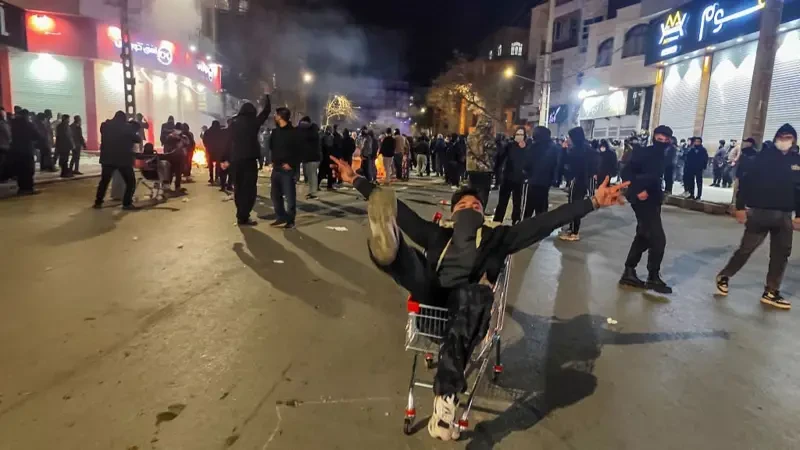
Since March 11, as reported by Mash, the police began detaining protesters who blocked roads and hindered the passage of equipment for the destruction of, as authorities claim, infected animals. Among those detained were journalists covering the protests.
“We have been given restrictions: one exit and one entrance to the village, the other roads are blocked. We will not allow anyone to burn healthy cows. We demand tests. We are becoming hostages of the situation; we are being destroyed. We will not let anyone into the village, only through us. If necessary, burn us along with the cows,” local residents stated.
According to one participant in the agricultural market, the pasteurellosis that the authorities are talking about "is not particularly dangerous and does not require mass culling of livestock." Meanwhile, foot-and-mouth disease poses a serious threat.