Iranian authorities confirmed the death of the Secretary of the National Security Council, Ali Larijani.
Along with him, his son Mortaza and his head of security were killed, reports the Tasnim agency.
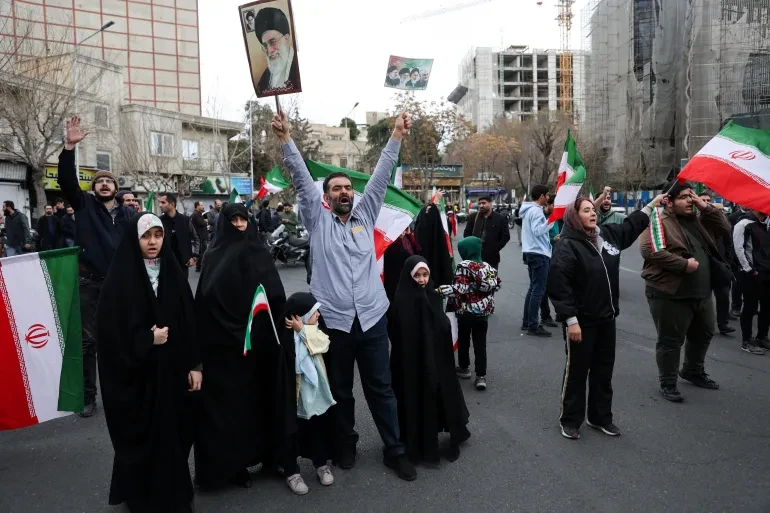
The President of Iran, Pezeshkian, promised to "take brutal revenge" for Larijani's death, according to information from the Mehr agency.
After Israel announced its involvement in the killings of Larijani and the commander of the "Basij" forces, Gholamreza Soleimani, Iran declared its intention to retaliate.
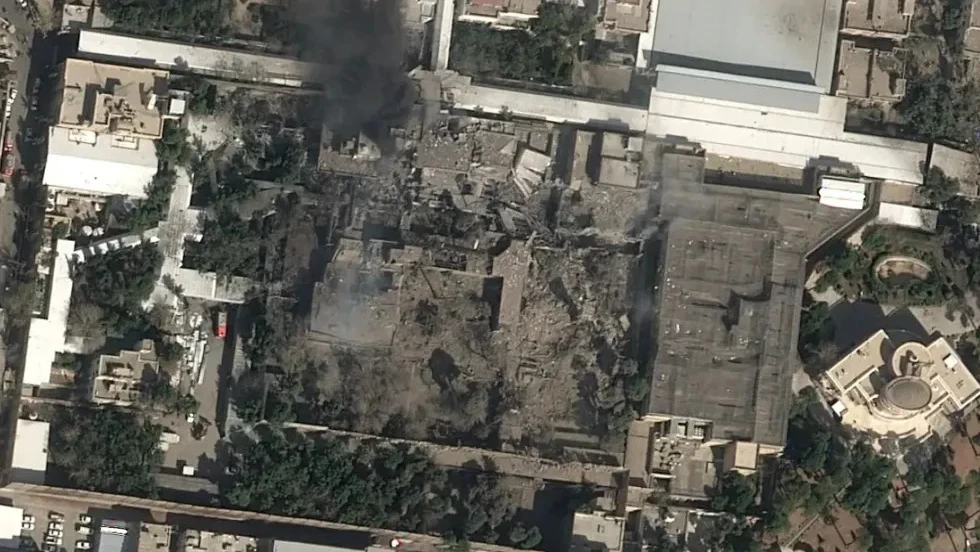
In response, Iran carried out new missile strikes on central Israel, resulting in at least two deaths and significant property damage in various areas of the country.
Iranian missile strikes on Israel
According to Channel 12, explosions were heard in the Gush Dan area of central Israel after the military warned of possible missile strikes from Iran.
According to the report, although one missile was intercepted, several explosive projectiles reached their targets.
There were also reports of damaged vehicles in Holon, some of which caught fire.
Sultan al-Hulaifi, a senior researcher at the Center for Conflict and Humanitarian Studies, noted that Israel continues its strategy of "decapitation" of Iranian leadership, but the power structure remains stable.
He explained in an interview with Al Jazeera: "This is an institutional system, different from Iraq and Afghanistan. The death of one person does not mean that there will not be a replacement," commenting on the elimination of Larijani.
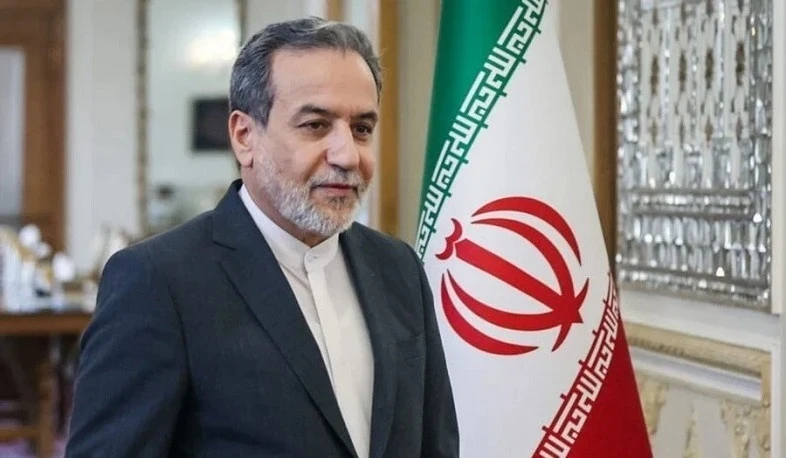
Iran's Foreign Minister Abbas Araghchi emphasized in an interview with Al Jazeera that the killings of high-ranking officials will not stop the Iranian government.
"Why haven't the Americans and Israelis realized this yet? The Islamic Republic of Iran has a solid political structure," he added.
"The absence or presence of an individual does not affect this structure," Araghchi noted.
"Of course, individual personalities can have an influence, but what is important is that the political system in Iran is a strong structure."
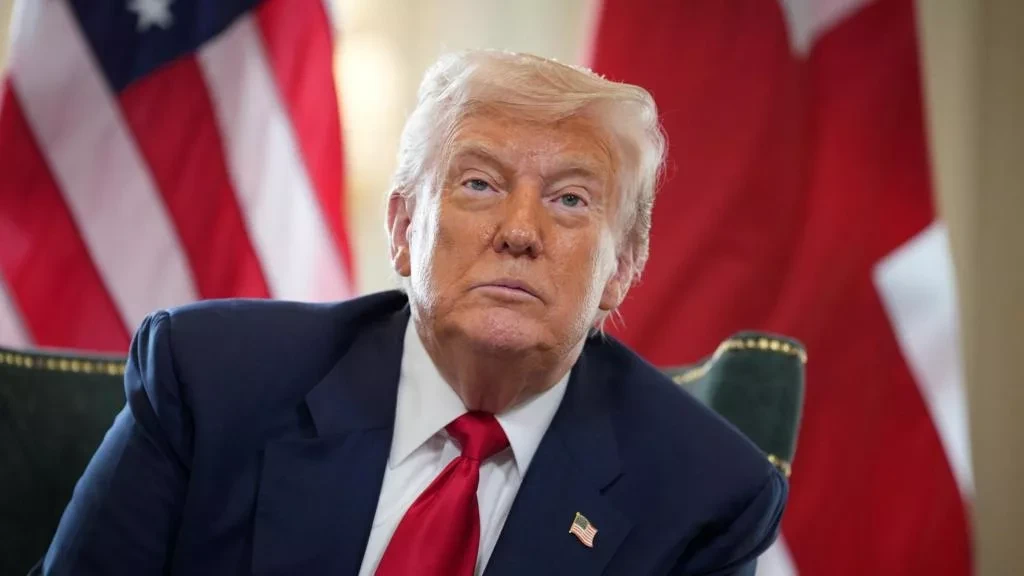
U.S. President Donald Trump is not afraid of the possibility of a repeat of the "second Vietnam" scenario in the event of a ground operation in Iran.
Trump dismissed warnings from the Iranian side that such an operation could lead to a protracted war. This occurred against the backdrop of a journalist's question about the words of the Iranian government expressed in an interview with Sky News.
In response to a question about a possible "second Vietnam," Trump said: "No, I'm not afraid. In fact, I'm not afraid of anything."
The U.S. president also noted that the country no longer needs NATO's support.
"Most NATO countries have informed us of their unwillingness to participate in our military operation against the Iranian regime, although they generally agree that Iran should not have nuclear weapons," he added.
Trump also emphasized that the U.S. has dealt a serious blow to Iran's military potential, including the destruction of their navy and air force, as well as the elimination of leadership at all levels.
"Given our military successes, we do not need help from other countries," he stated, adding that this applies to Japan, Australia, and South Korea as well.
However, even among Trump's allies, there is disagreement with his optimism.
According to the WSJ, a high-profile counterterrorism official resigned due to the war with Iran.
Joe Kent, director of the National Counterterrorism Center, stated that he cannot support the ongoing war, noting that Iran does not pose a threat to the U.S. and that the conflict began under pressure from Israel.
Kent, who previously supported Trump's foreign policy, expressed disappointment regarding the president's deviation from his stated goals.
Trump commented on Kent's resignation, noting that he always seemed like a nice person but not strong enough on security issues.
Netanyahu as the "liberator" of Iran
Author: Rory Chellands
Reporting from Amman, Jordan.
Israel is systematically dismantling the Iranian leadership in the field of security.
Israelis believe that this is how they operate, and the killings of Larijani and Soleimani are perceived as significant blows to the Iranian leadership since the beginning of the conflict.
Larijani is portrayed by Netanyahu as a gang leader, while Soleimani is depicted as a tyrant, and these killings are positioned as strikes against the repressive regime of Iran.
Although Larijani is considered a more significant figure, Israeli attention is focused on Soleimani, as this aligns with the narrative Netanyahu is trying to promote, presenting himself as the "liberator" of the Iranian people.
It is still difficult to say whether they will succeed, but it should be noted that in recent weeks, Israeli strikes have resulted in the deaths of many civilians in Iran.
Brief overview of current events
- Iran confirmed the killings of Ali Larijani and Gholamreza Soleimani following Israel's statements of involvement.
- Iran continues to strike central Israel, where at least two people have died from shrapnel.
- Bahrain, Qatar, Saudi Arabia, and the UAE reported intercepting missiles and drones in response to Iranian attacks in the Persian Gulf.
- Explosions were heard in Baghdad amid missile attacks on the U.S. embassy.
- Joe Kent resigned due to the war with Iran, noting that Iran does not pose a threat.
- Trump criticized NATO countries for refusing to send their forces to the Strait of Hormuz and called Kent's resignation a "positive event."
- Israel urged residents of Tyre to evacuate due to new attacks on the country.
The post Iranian authorities vowed to take revenge for the death of the Secretary of the Security Council of the Republic, Ali Larijani. What else happened? first appeared on K-News.