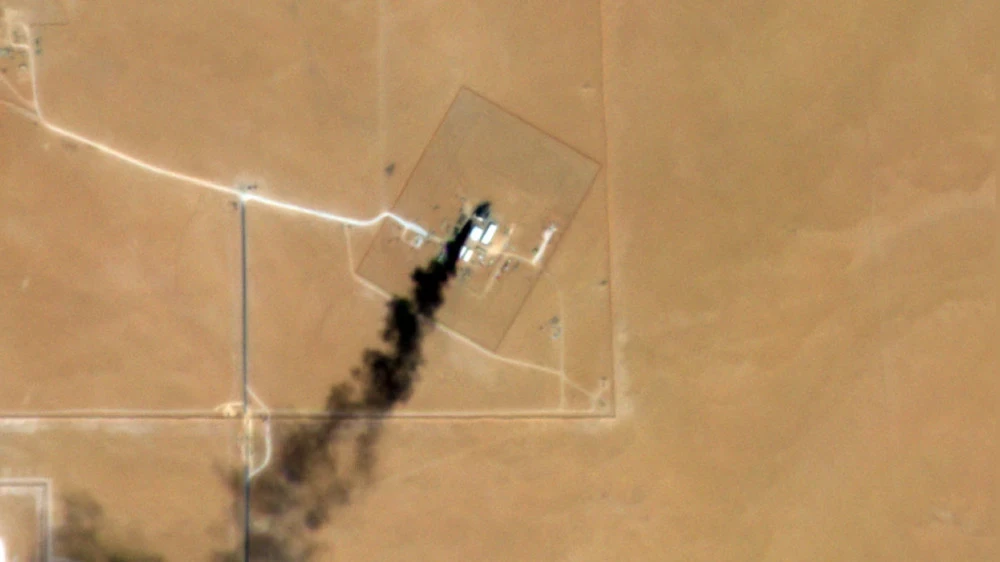
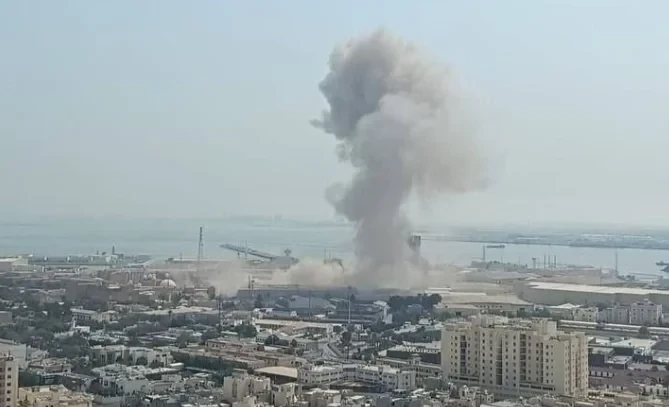
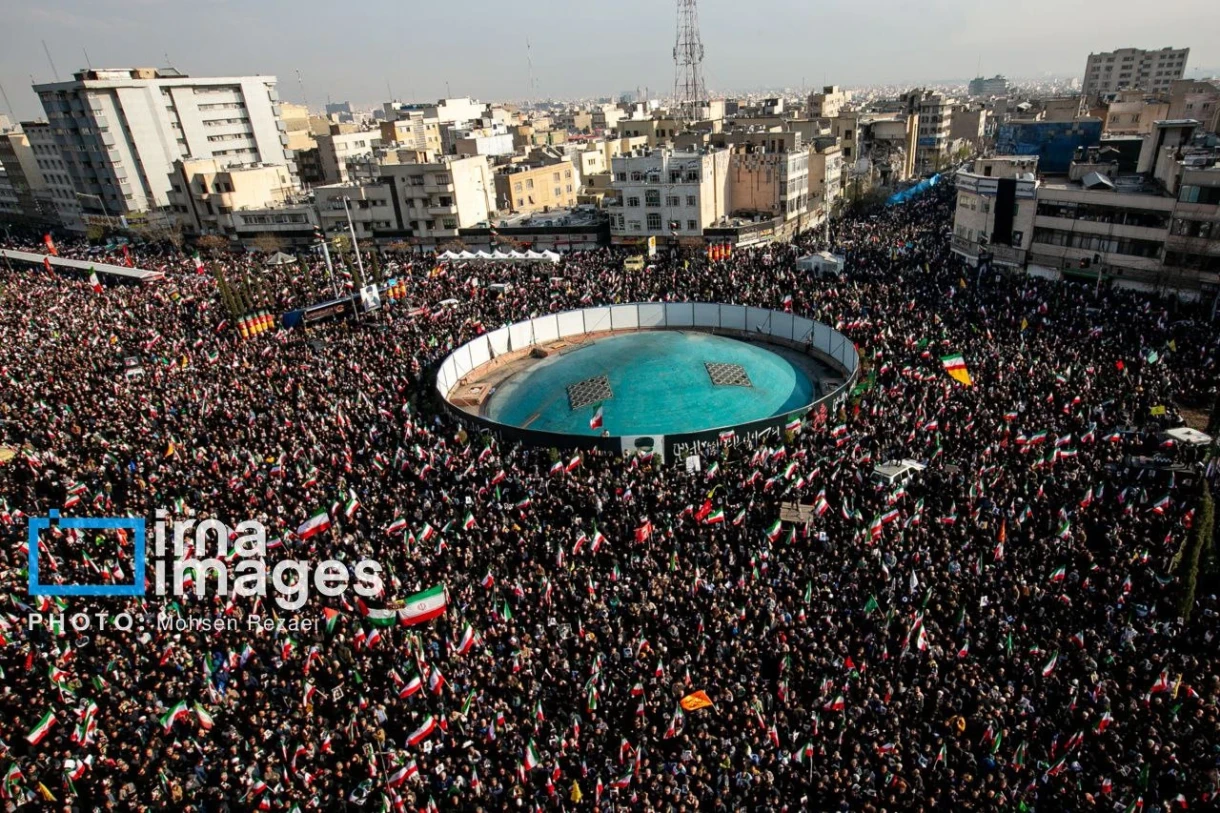
According to information published by Bloomberg and citing Iranian state television, Tehran reported that airstrikes carried out by the U.S. and Israel have damaged its significant South Pars gas field and related infrastructure.
Additionally, the report claims that petrochemical and oil facilities located in the nearby city of Asaluyeh were also targeted.
In response, Iran issued an emergency warning regarding the need to evacuate petrochemical facilities in neighboring countries such as Saudi Arabia, Qatar, and the UAE, as reported by Clash Report.
According to the Iranian news agency Fars, Tehran plans to respond to the attacks on its gas facilities by targeting "hostile infrastructure that was previously considered safe."
Official sources claim that the attack on gas facilities constitutes a "war crime" that will not go unpunished, Fars informs.
The spokesperson for the Qatari Foreign Ministry, Majed al-Ansari, noted that Israel's strikes on facilities related to the Iranian South Pars gas field, which is an extension of Qatar's North Field, represent a "dangerous and irresponsible step amid the current military escalation in the region."
He also warned that strikes on energy infrastructure threaten global energy security, as well as the safety of the regional population and the environment.
"We reiterate, as before, the necessity of avoiding attacks on vital facilities and urge all parties to exercise restraint, adhere to international law, and seek de-escalation to ensure security and stability in the region," al-Ansari added.
According to the Iranian agency Fars, the situation at the gas processing plant in South Pars is under control following reports of an Israeli attack, as stated by the governor of Asaluyeh.
It was also noted that fire services were able to contain the fire, and there have been no reports of injuries at this time.
According to the Financial Times, Iran has the potential to escalate the situation in the Persian Gulf, which could last "months or years."
Experts warn that Tehran may significantly intensify its actions against energy infrastructure in the Persian Gulf, especially after it carried out its first successful strike on an operational oil and gas field.
Amid limited exports and a lack of storage capacity, many oil and gas fields are suspending production. Tehran may also target ports, fuel depots, and oil and gas processing plants.
The Port of Fujairah, an important export route for the UAE and located outside the Strait of Hormuz, remains closed following recent attacks. Iran may also shift its focus to other export routes, such as the Saudi "East-West" pipeline leading to the Red Sea, or pipelines running from Iraq through Turkey.
Analyst Sol Kavonik from MST Financial believes that Iran may seek to inflict long-term damage on oil and gas production by attacking liquefied natural gas facilities or larger fields.
A strike on an LNG facility could be particularly devastating, as restoring equipment could take "several years," he added.
Rob West from the consulting firm Thunder Said Energy noted that, since it is impossible to intercept all Iranian drones, Iran could use them to "seriously disrupt international infrastructure and shipping for months or years."
According to Politico, the EU has concerns about panic buying and rising gas prices.
The European Union requires its member states to maintain gas reserves at 90% by winter — this measure was introduced after the start of the war in Ukraine in 2022. However, due to the cold winter, reserves fell to less than 30% by March, the lowest level since 2022.
The sharp rise in gas prices following Iran's attacks, which effectively blocked the Strait of Hormuz, poses risks in attempts to replenish reserves for the next winter.
Officials and industry representatives warn that countries may attempt to rush to meet these goals simultaneously. If the rules are not relaxed, this will lead to increased demand and allow traders to inflate prices.
At least three countries believe that the EU executive should introduce more flexible frameworks, including reducing the target by 30%, sources reported. Countries are also calling for the establishment of a new EU mechanism to coordinate gas purchases.
The record that Iran intends to strike at "hostile infrastructure" in response to attacks on gas fields first appeared in K-News.