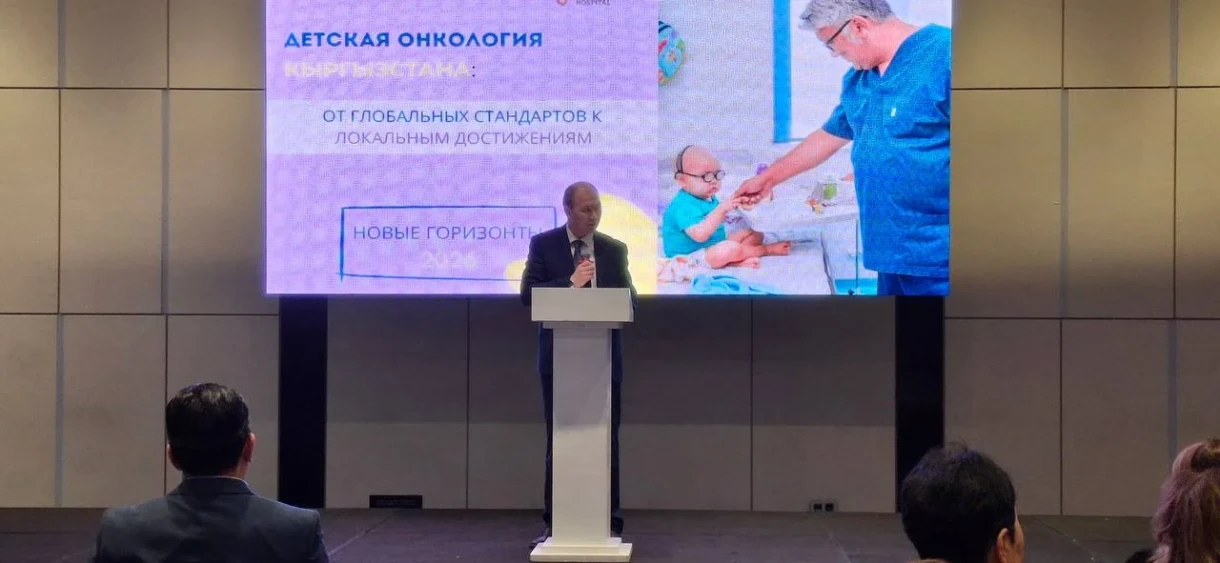
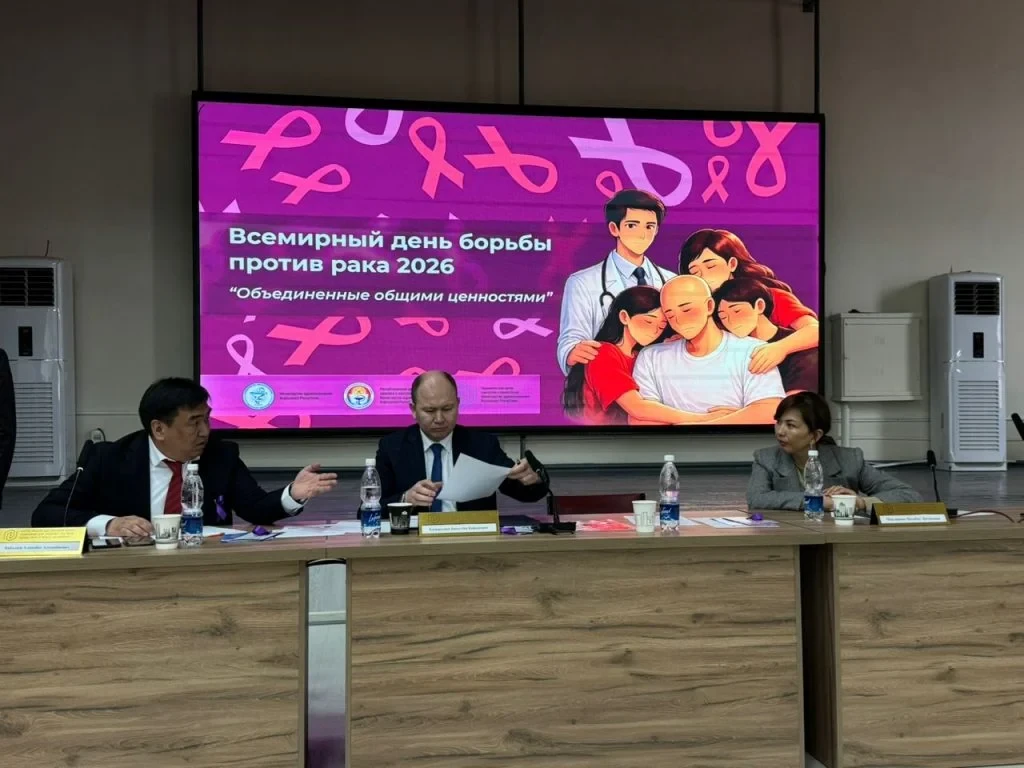
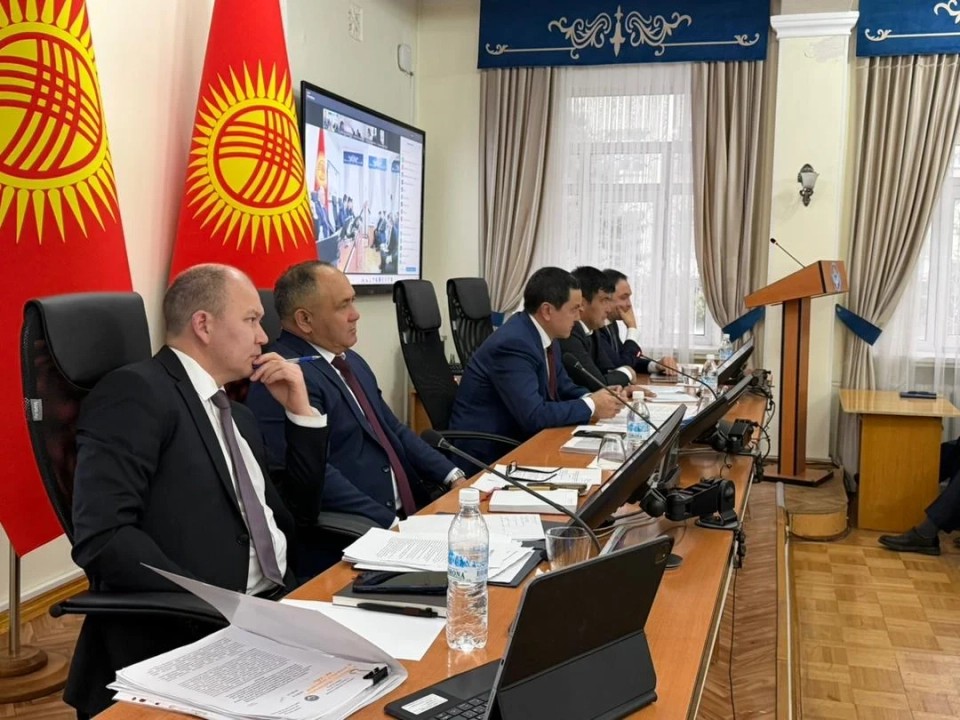
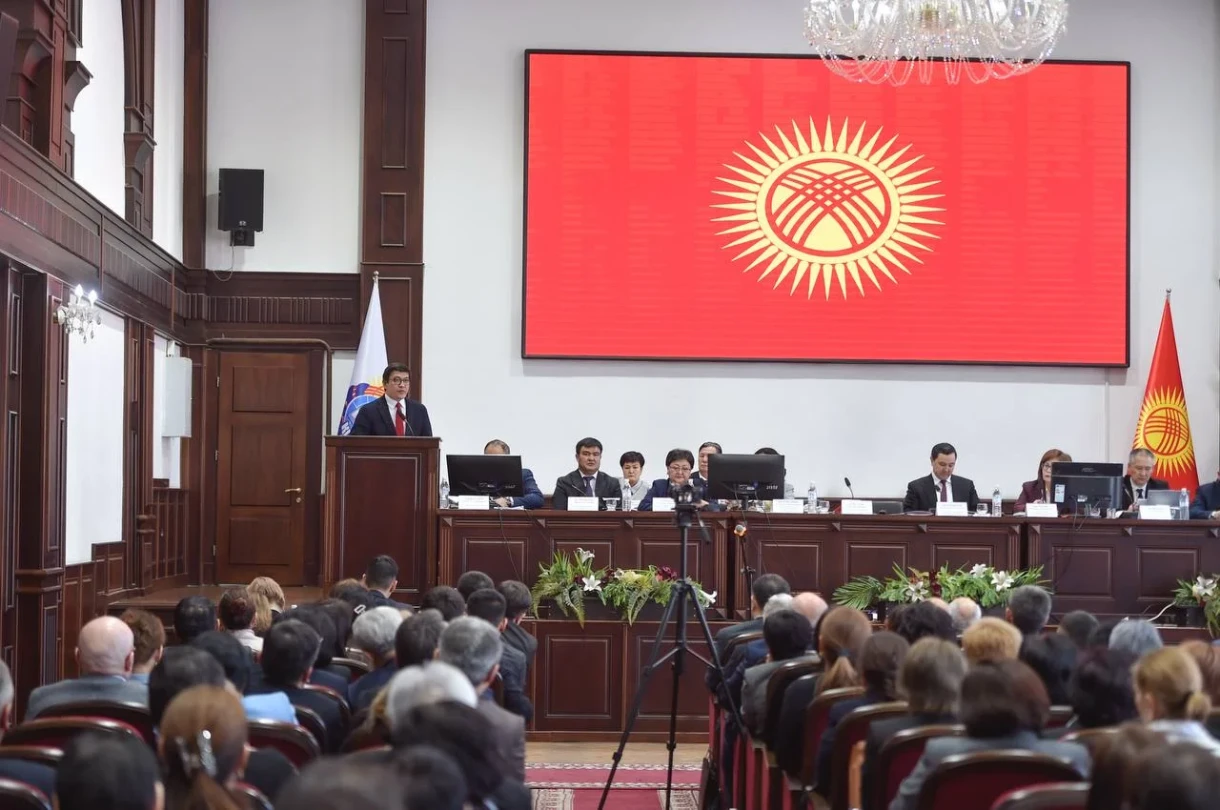
Among the participants were Deputy Minister of Health Bakytbek Kadyraliev, representatives of the Jogorku Kenesh, the World Health Organization, as well as heads of specialized medical institutions, international partners, and experts in the field of medicine.
During the conference, the results of the pediatric oncology service's work after Kyrgyzstan joined the WHO Global Initiative for Childhood Cancer were summarized. It was established that approximately 200–220 new cases of cancer are diagnosed in children in the country each year. The increase in detection is associated with improved diagnostic methods, the introduction of clinical protocols, and the development of a national cancer registry.
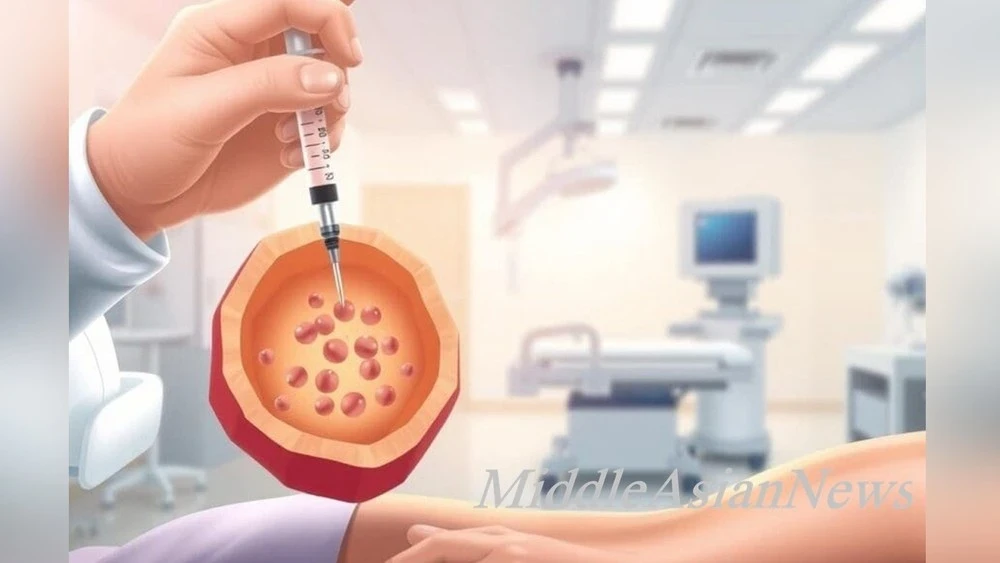
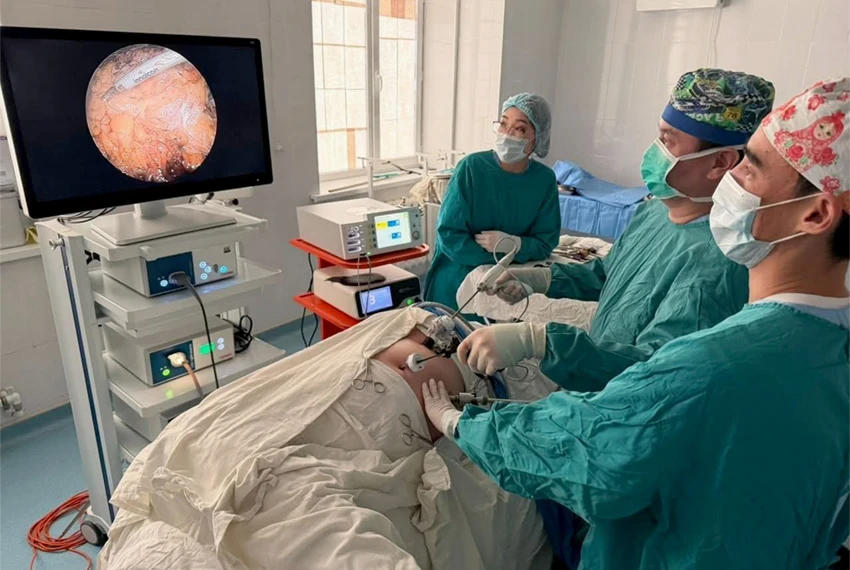
Specialized departments of pediatric oncology and oncohematology operate in Bishkek and Osh. In 2024, the first autologous bone marrow transplant was performed on a child in the republic, marking a significant step forward in the development of high-tech medical care. Work continues on expanding the transplantation program, creating modern laboratory equipment, and implementing new therapy methods, as stated in the announcement.
Sultan Stambekov, head of the pediatric oncology department at NCMD, noted that the service has significantly improved its performance in recent years.
According to him, Kyrgyzstan's participation in the WHO Global Initiative for Childhood Cancer allows for the application of international treatment standards and the development of the healthcare system based on evidence-based medicine. The strategic goal is to gradually improve survival rates to the level of developed countries and ensure access for children to modern diagnostic and treatment methods, including bone marrow transplantation and cell technologies.
In his speech, Bakytbek Kadyraliev emphasized the importance of implementing innovative treatment methods, including preparation for CAR-T therapy.
"The development of pediatric oncology is not only an image issue but also a matter of saving lives. The state must create a sustainable system that ensures treatment for children regardless of charitable fundraising. We aim to reduce the number of forced trips abroad, develop high-tech assistance within the country, and strengthen international partnerships," he noted.
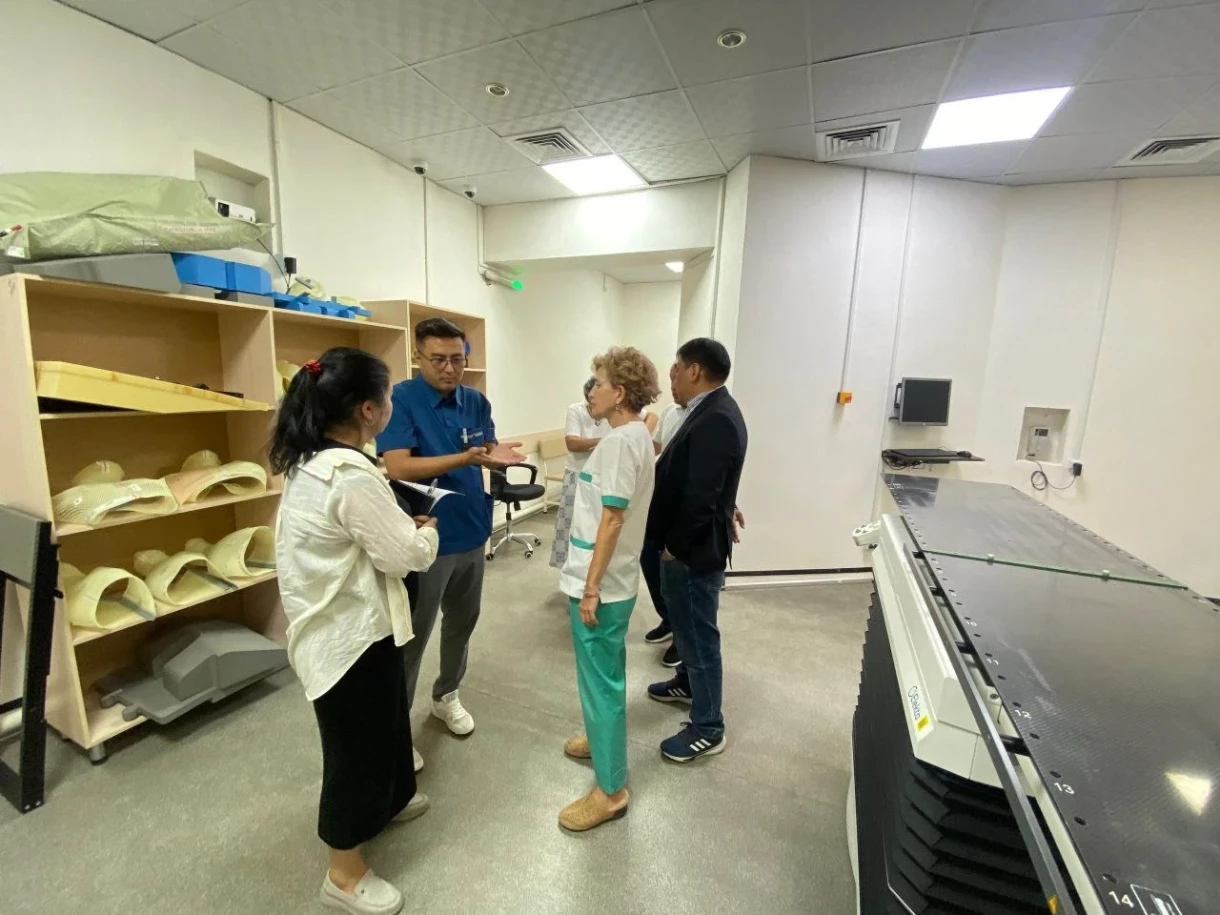
During the conference, issues of early diagnosis, training of specialists, and expanding laboratory capabilities were also discussed.
In conclusion, the conference participants confirmed their readiness for further development of inter-agency cooperation, strengthening international collaboration, and implementing new projects aimed at increasing the survival rates of children with cancer and achieving strategic goals by 2030.