Statistics as an Indicator of Progress
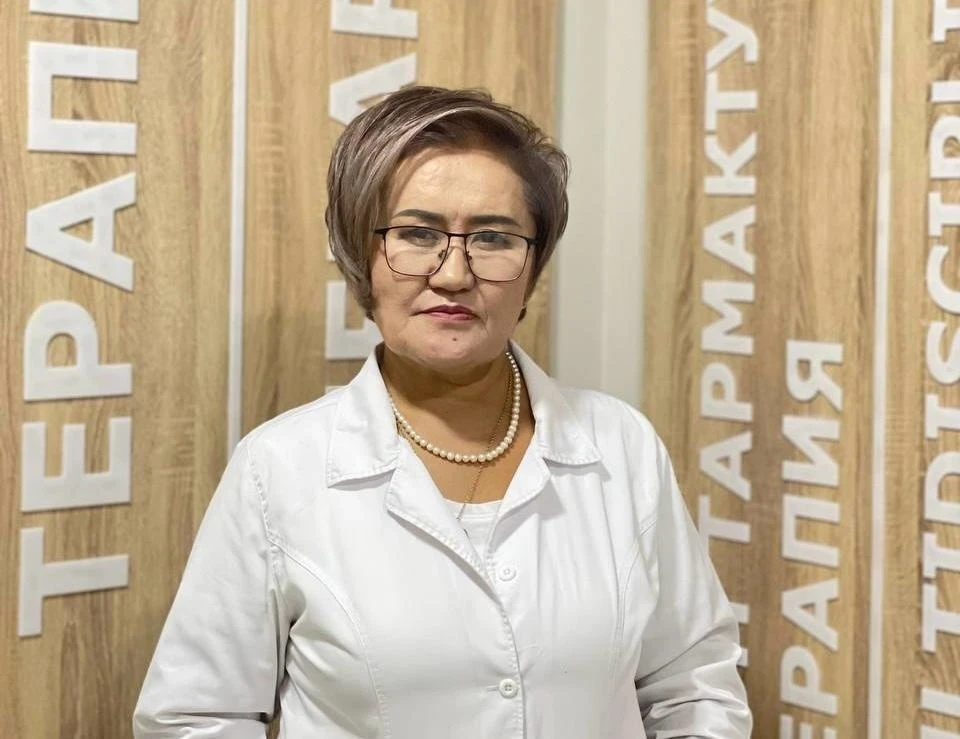
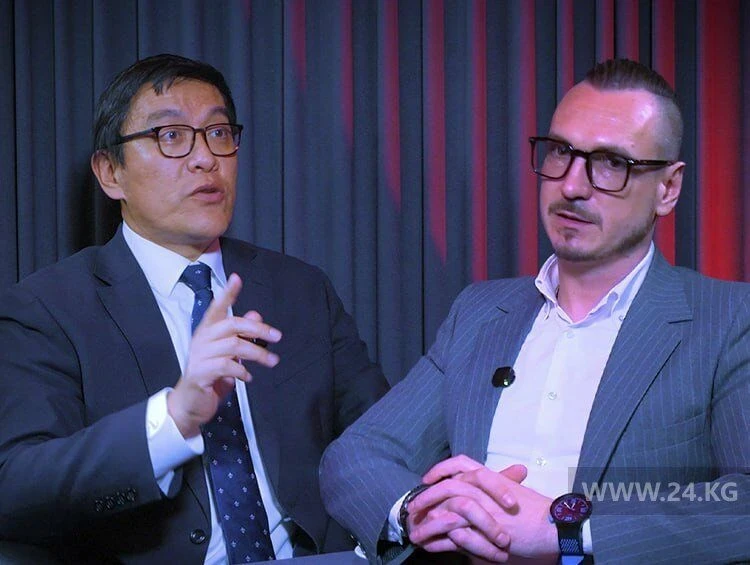
Many people are concerned about the growing number of reports on childhood cancer. However, Sultan Stambekov, head of the pediatric oncology department at the National Center for Oncology and Medical Radiology (NCOMR), asserts that this does not indicate an increase in incidence, but rather progress in diagnostics.“Childhood cancer remains stable. It does not depend on environmental factors or bad habits, as in adults; it is the result of genetic mutations.
Previously, children from remote regions might not have received timely diagnosis and died from complications that were mistakenly attributed to other diseases.If we used to detect 8 cases per 100,000 children, now this figure is 10-11. We are approaching global standards (14-18 cases), which indicates that we have become more effective in identifying the disease and providing children with the opportunity for treatment,” he explains.
Kyrgyzstan is actively participating in the WHO global initiative aimed at increasing the survival rate of children with cancer by 2030. In recent years, funding for pediatric oncology services has increased tenfold — from 20 to 200 million soms. This has allowed for the introduction of modern drugs, such as "Blinatumomab" (Blincyto), which significantly reduce the risk of relapses.
Growing Up Issues: Queues and Hidden Costs
Despite the achievements in pediatric oncology, adult oncology faces serious challenges. Anastasia Gadzhieva emphasizes that there are only two oncology centers operating in the country — in Bishkek and Osh.“The main problems are long queues and advanced stages of diseases due to late treatment. Although the government allocates more funds, there are difficulties with the procurement and delivery of medications; if they are delayed, the disease continues to progress, and families are forced to bear the costs themselves. Also, many important tests, such as MRI and flow cytometry, remain paid,” she shares.
Recommendations for Patients and Their Families
Based on her experience, Gadzhieva has developed a series of "golden rules" for parents and patients:- Do not waste time on "miracle herbs". Switching to folk remedies (mare's milk, dietary supplements) is a dangerous mistake. Cancer does not wait for parents to finish their experiments.
- Get a second opinion. If you have doubts, check the tests with another doctor. It is important to know the exact subtype of the disease, as this affects the treatment plan.
- Do not isolate yourself. A child and an adult need support and the joy of communicating with friends. Life should not stop during "chemotherapy".
- Look for alternative solutions. If treatment in the country is not yielding results (for example, a bone marrow transplant is needed), consider options abroad. The first successful BMT in Kyrgyzstan has already been performed, but the system still requires adjustments.
Checklist for Vigilance
The "Sun of Hope" fund reminds that cancer may not manifest in the early stages. You should immediately consult a doctor if a child exhibits:- prolonged fever (more than two weeks) without cold symptoms;
- persistent pallor, weakness, decreased appetite;
- unexplained bruises, bleeding, bone pain;
- painless lumps and nodules on the body.
The Future: From Treatment to Rehabilitation
Sultan Stambekov is confident that in the future, oncology will occupy an important place in medicine, as doctors have learned to effectively deal with infections and cardiovascular diseases.However, there is a lack of systemic rehabilitation in Kyrgyzstan. After treatment, patients are left alone with the psychological consequences.“We need programs for socialization, camps for children, and support for adult patients. Cancer is a serious challenge, but we are getting more tools to overcome it,” the experts conclude.
Photo on the main page is illustrative: pharmasyntez.com.