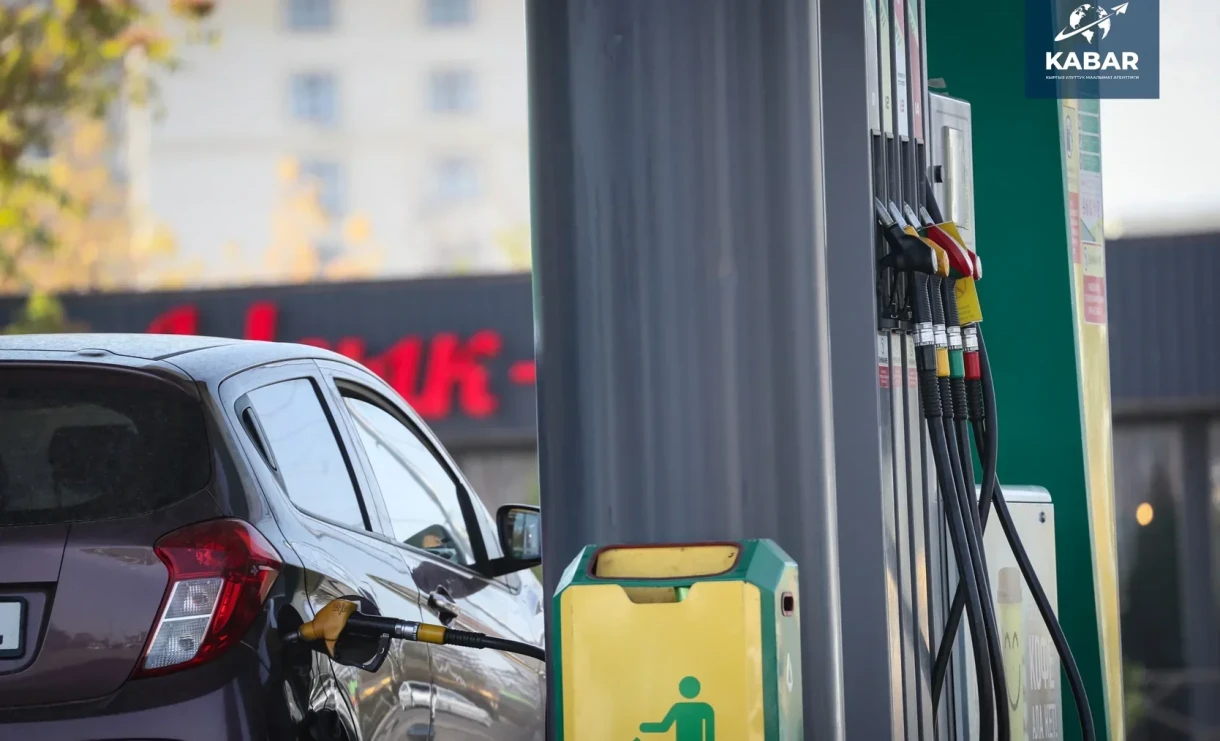
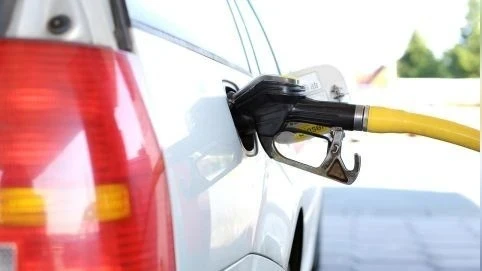
According to him, the market price of fuel in the country largely depends on global events, including fluctuations in the oil market.
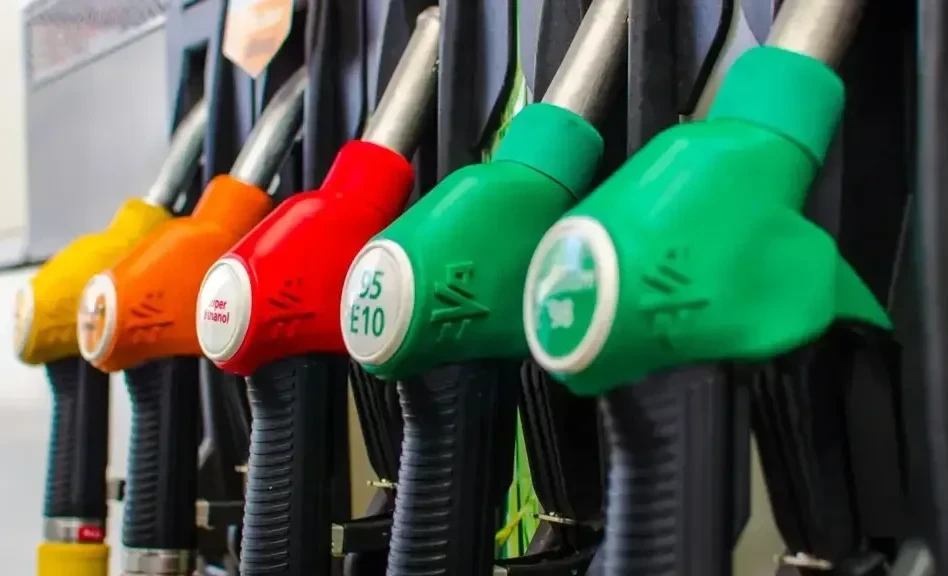
“Given the geopolitical situation, price increases may occur, as it directly affects the cost of oil and petroleum products. You may have noticed that since February 1, fuel prices have been gradually increasing by 30–40 tyiyns,” Eshatov explained.
He also noted that Kyrgyzstan has sufficient fuel reserves.
“Currently, the fuel market is demonstrating stability. Supplies of petroleum products are being carried out without disruptions, and, according to our estimates, the reserves of gasoline and diesel fuel meet the country's needs for about two months,” he added.
Kanatbek Eshatov also mentioned the start of spring fieldwork, noting that the agricultural sector is fully supplied with the necessary volumes of lubricants. Fuel supplies to Kyrgyzstan continue as normal, and there is no shortage in the domestic market.
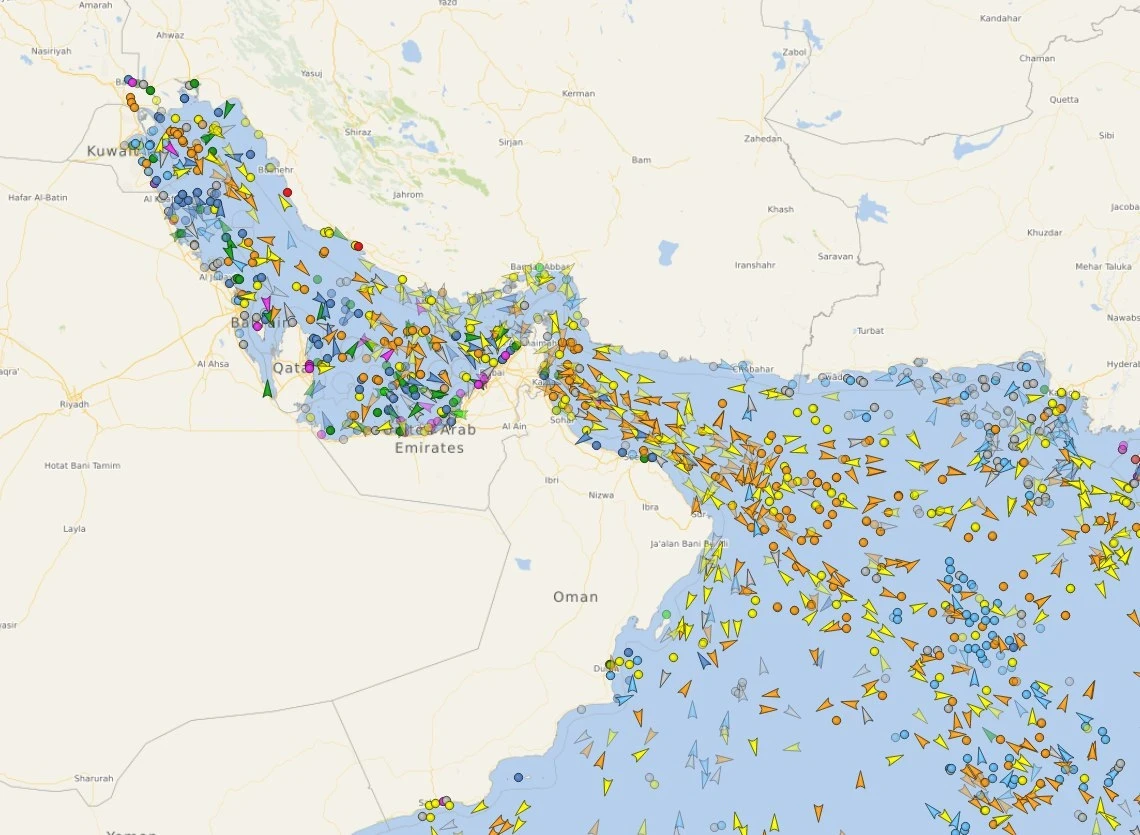
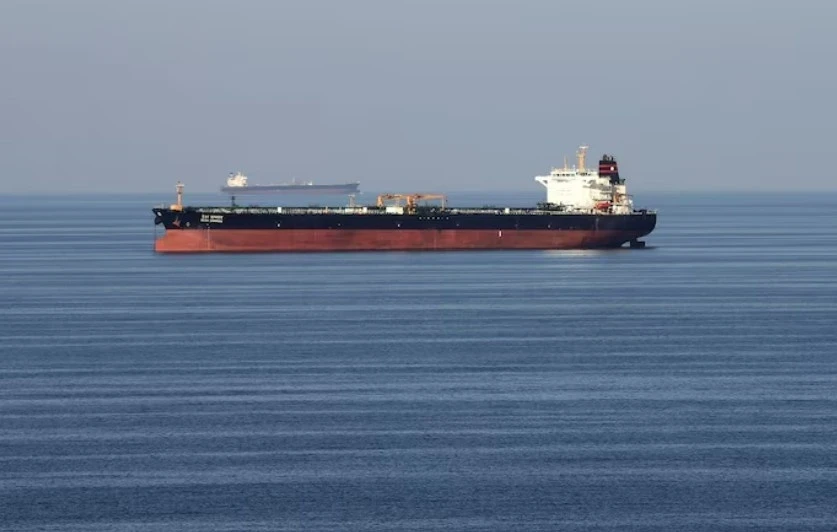
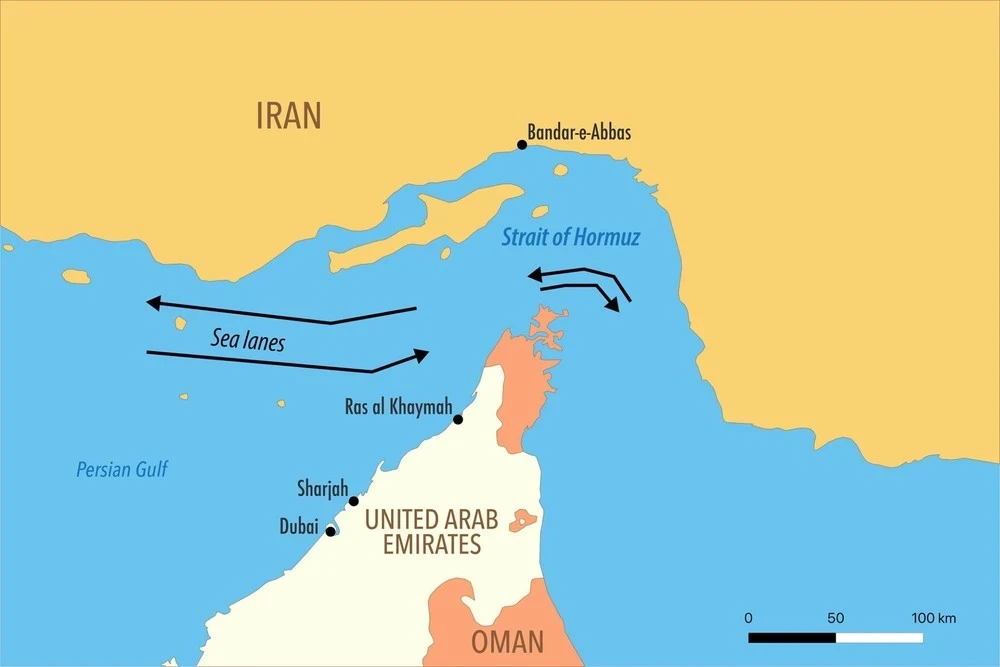
- As previously reported, since the beginning of last week, oil prices have increased by more than 50 percent. This sharp rise is caused by market participants' concerns about a possible closure of the Strait of Hormuz by Iran, through which about 20 percent of the world's oil passes.
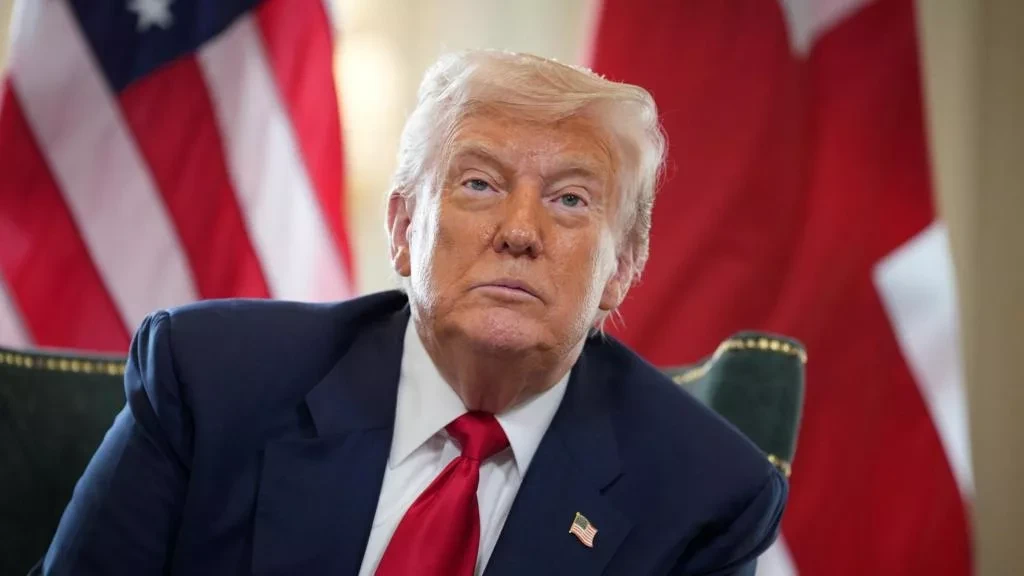
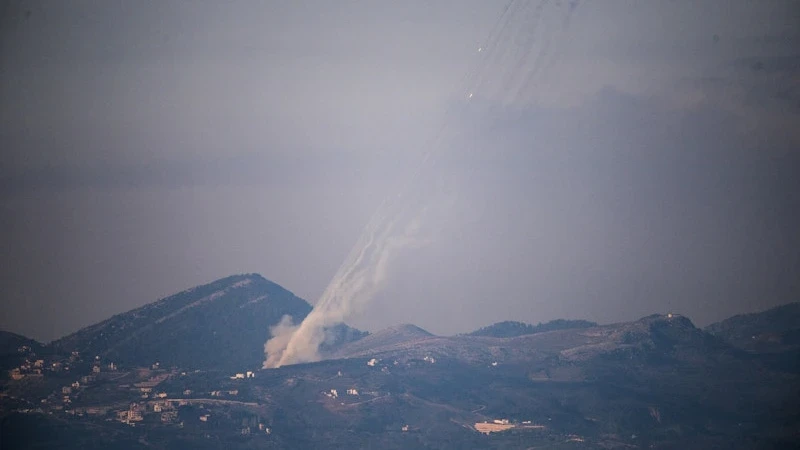
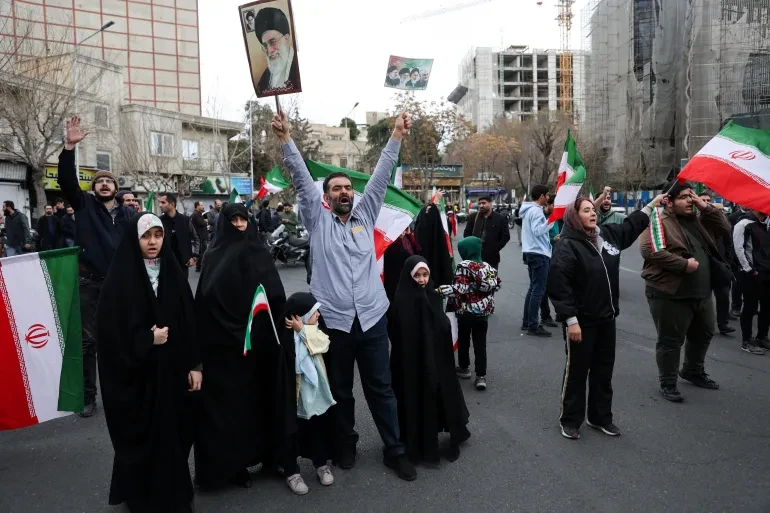
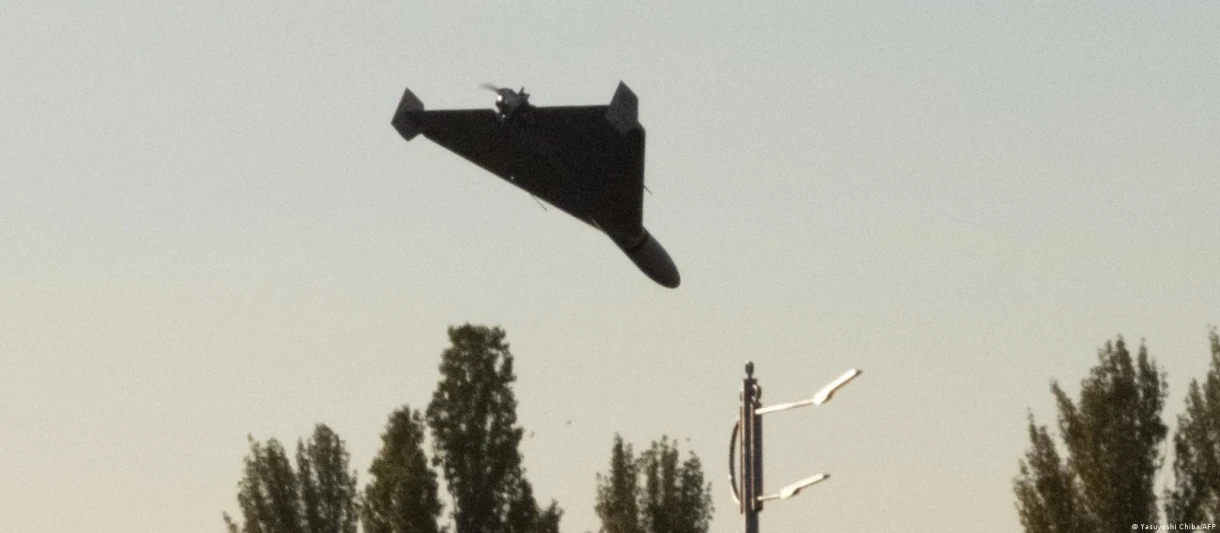
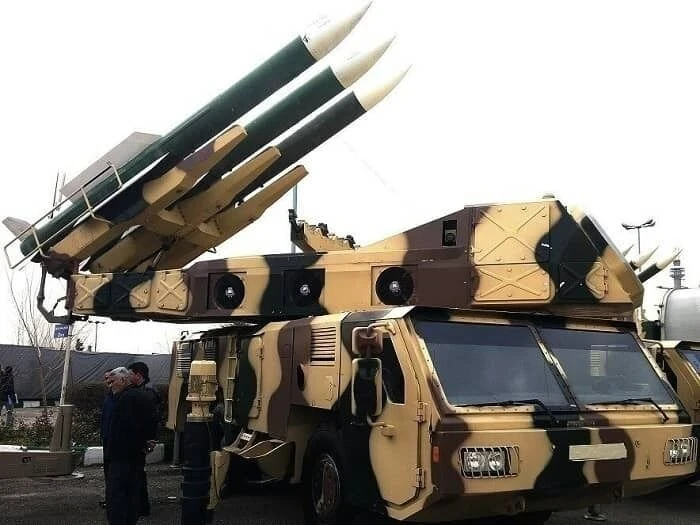
- The military actions of Israel and the United States against Iran began on February 28, when numerous air and missile strikes were carried out on cities and military facilities. In response, Iran attacked Israel and American military bases in the Middle East. In the first hours of the conflict, several high-ranking Iranian military and officials were killed. U.S. President Donald Trump announced the start of Operation "Epic Fury" in response to these events.
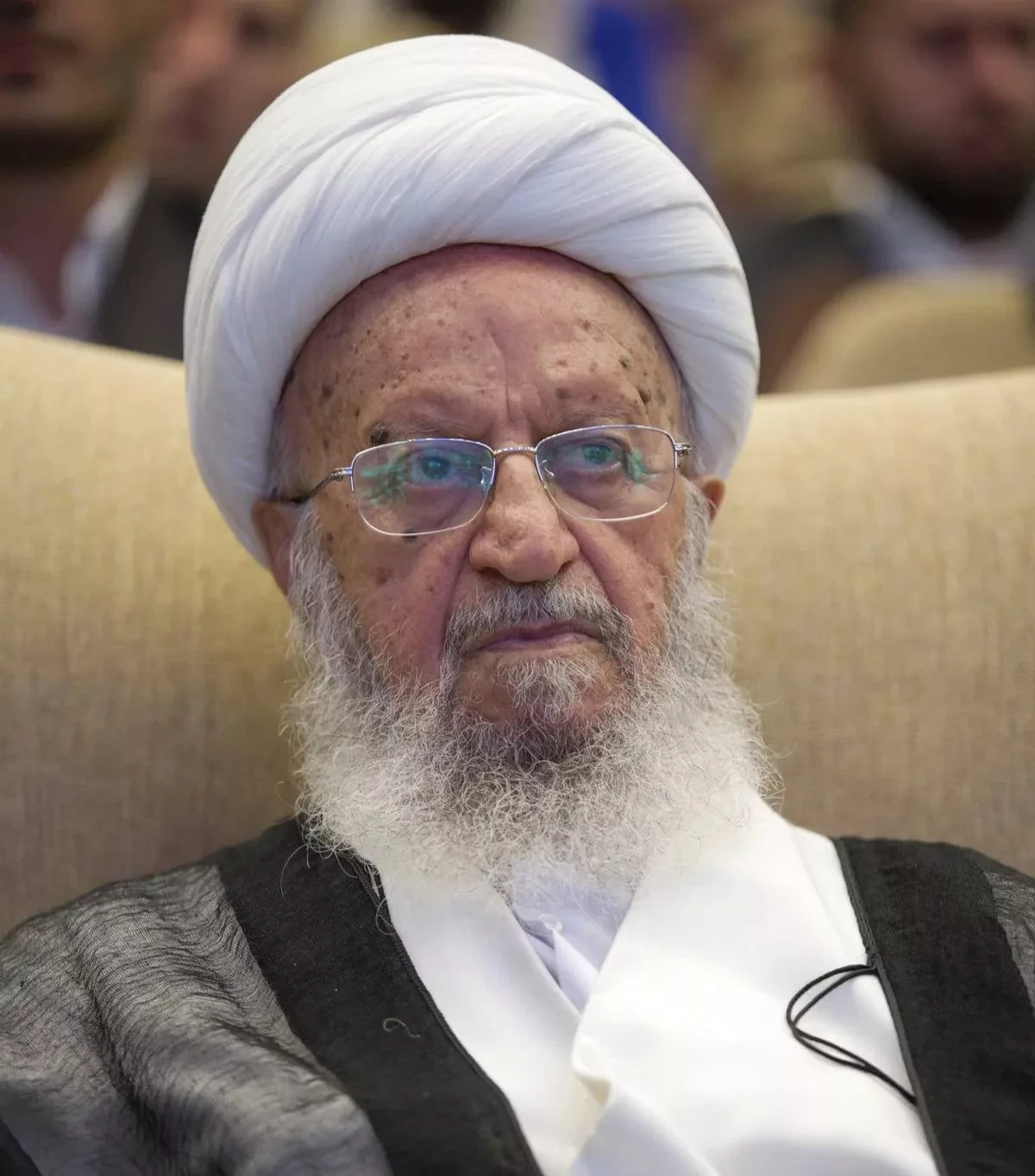
- The Supreme Leader of Iran, Ayatollah Ali Khamenei, was killed, along with about ten high-ranking officials from Tehran. The new Supreme Leader of Iran is the son of the slain Ayatollah, Mojtaba Khamenei.