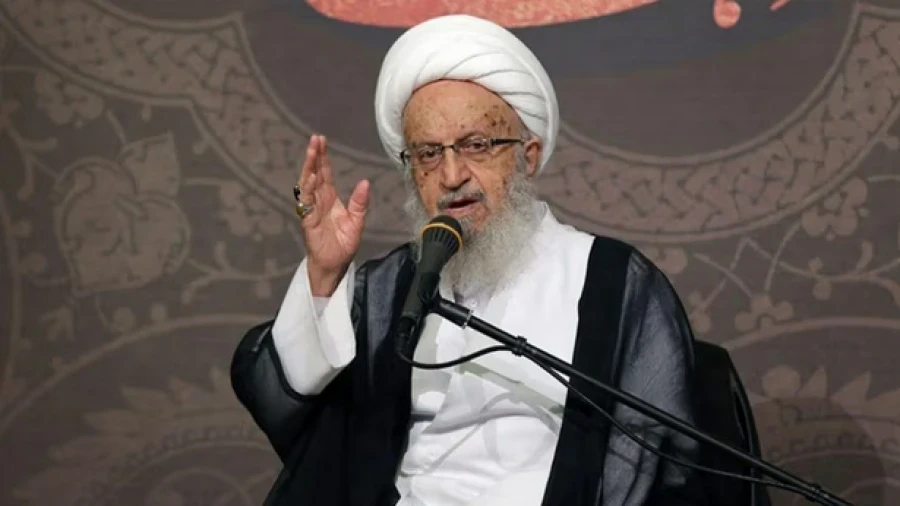
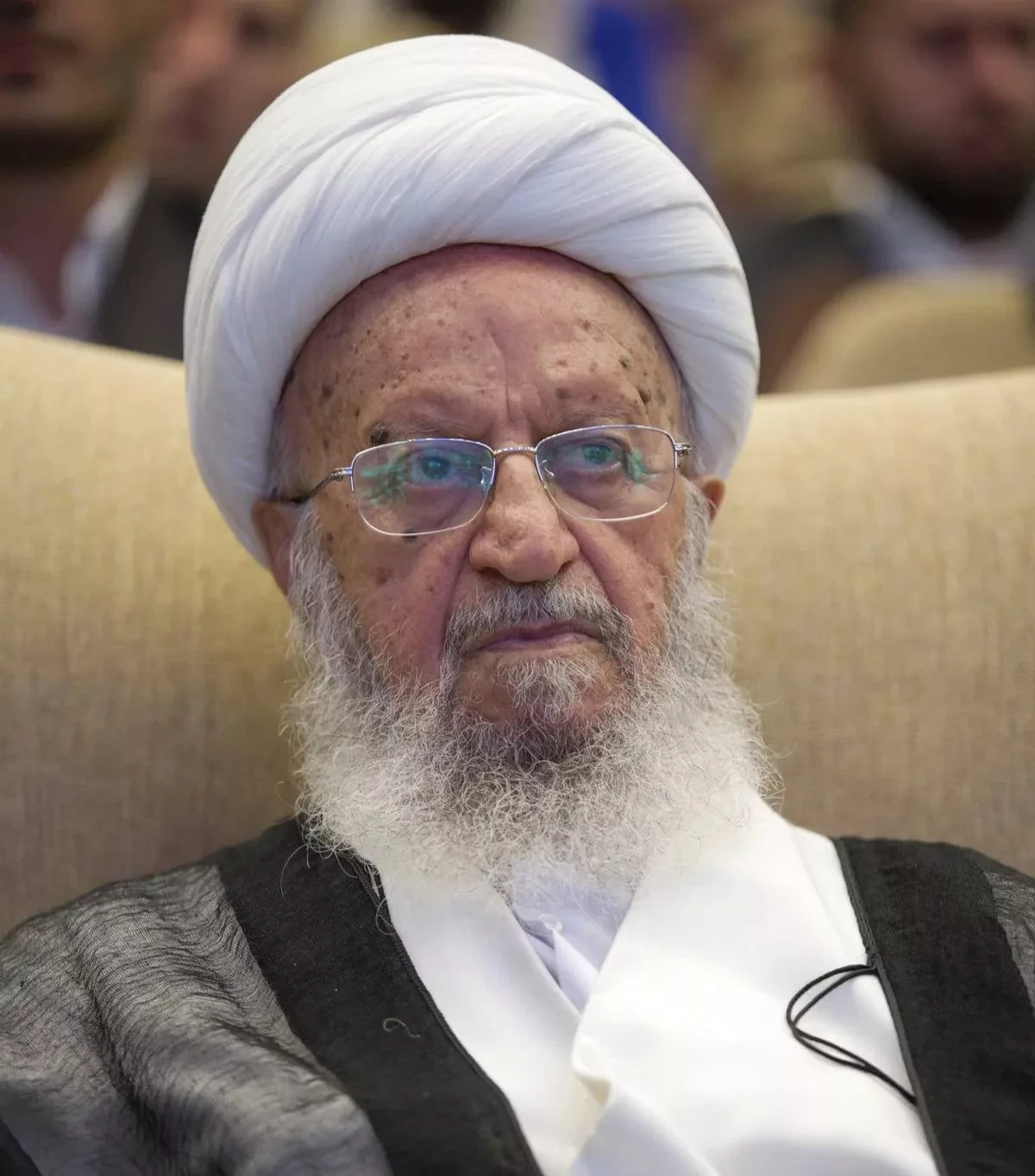
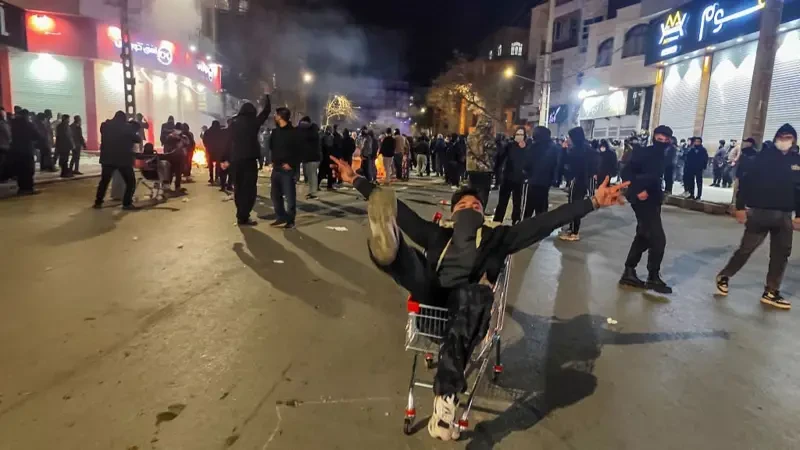
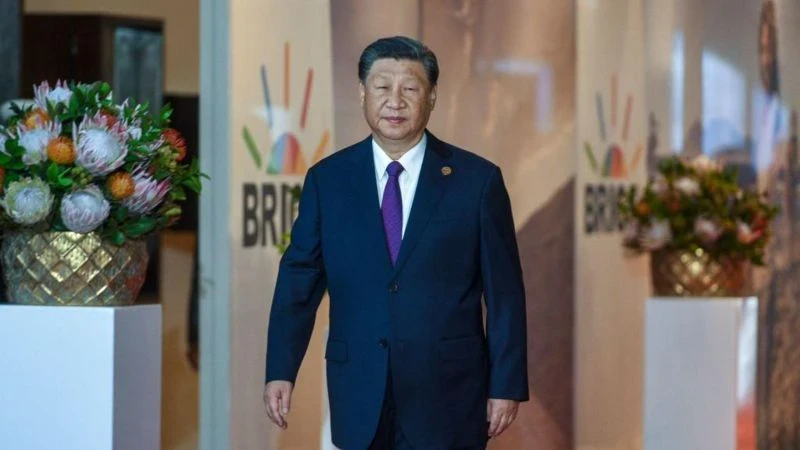
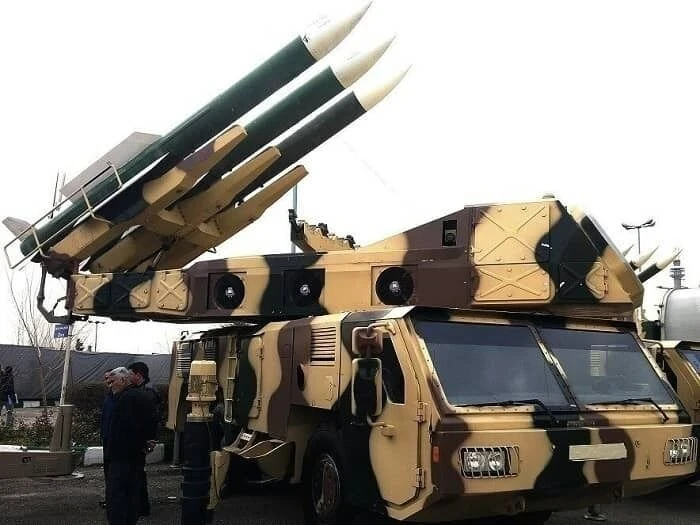
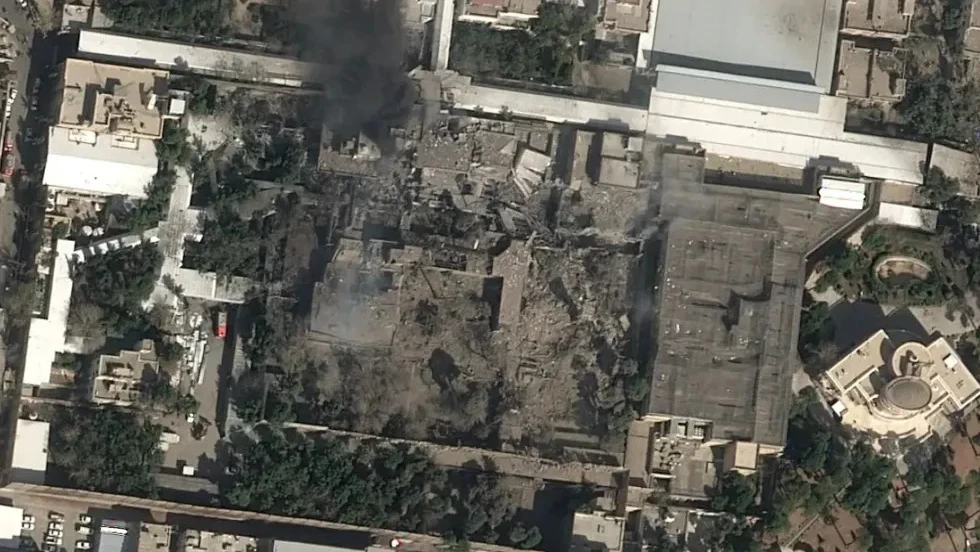
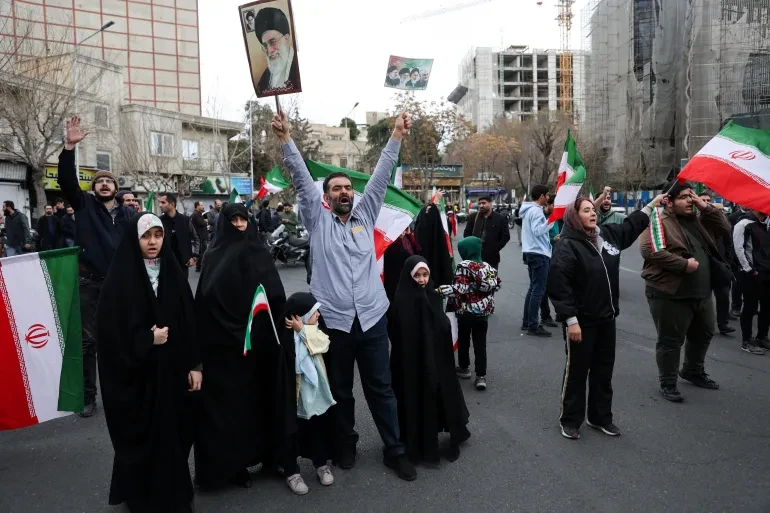
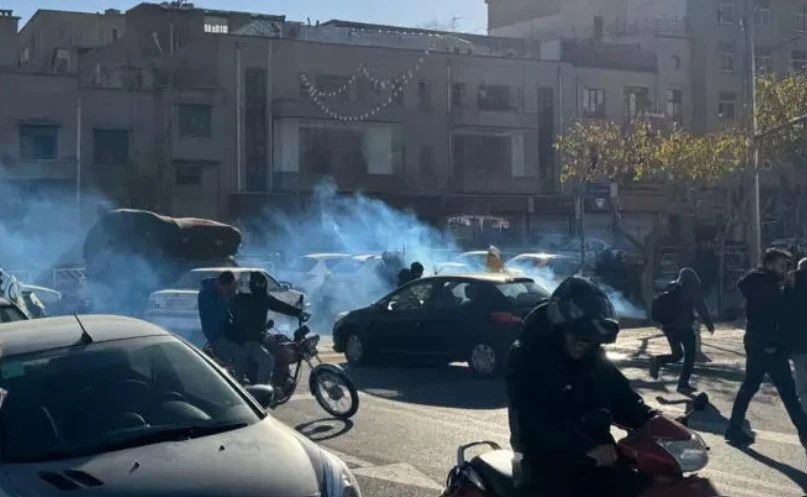
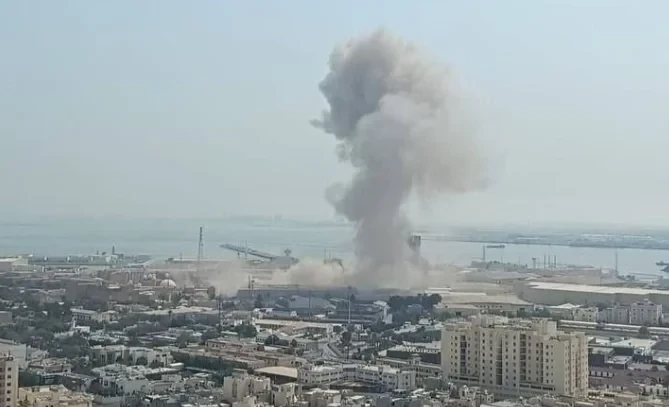
The new leader, Ayatollah Makarem Shirazi, declared jihad against Israel and the United States, adding tension to an already complicated situation in the country, where protests that began in 2025 due to economic issues have turned into political demands.
Airports in the UAE, Kuwait, Bahrain, and other countries have already begun canceling flights. Additionally, tanker traffic through the Strait of Hormuz, a crucial route for oil supplies, has effectively come to a halt.
Against this backdrop, Kaktus.media discussed with experts how this may affect the global situation, neighboring countries, and specifically Kyrgyzstan.
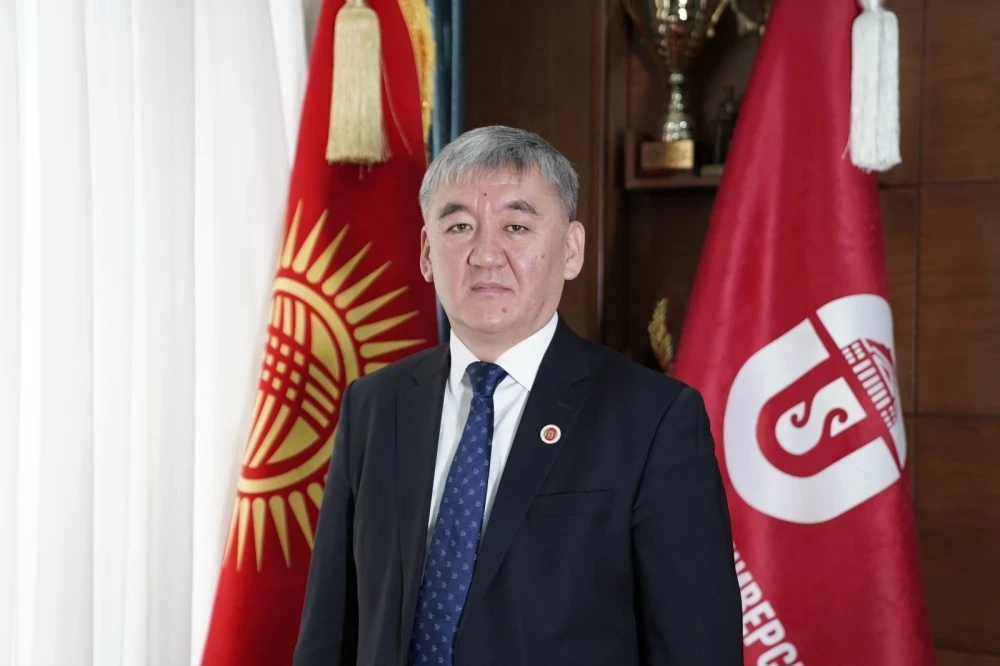
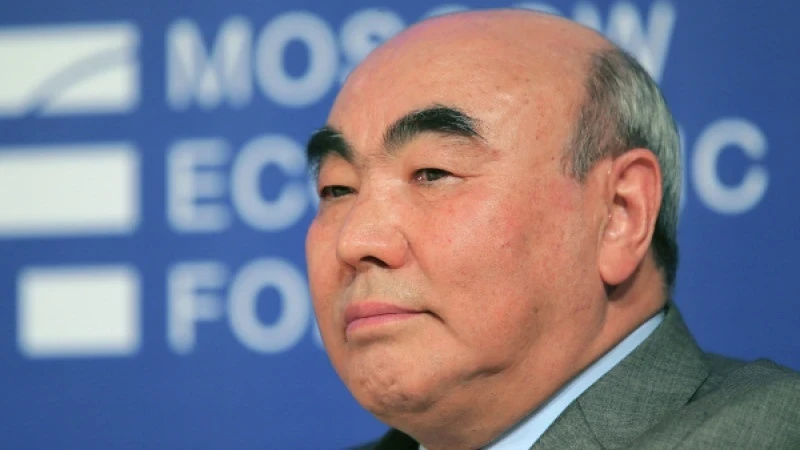
Almaz Tajibay, Political Scientist
- The conflict affects not only Iran and its neighbors but also impacts global economic processes, which is already reflected in stock markets. An increase in oil prices is expected, as the Strait of Hormuz is under Iranian control.There are three main scenarios for the development of events.
If the Iranian authorities cannot reach an agreement with the United States to halt the nuclear program, the conflict may escalate rapidly. It is also possible that support for the current regime in Iran will persist, as was the case in Venezuela (about 20% of the population).
The third scenario involves a protracted war if negotiations fail, which could lead to a situation similar to that in Iraq. However, such an outcome is undesirable for all parties.
The number of refugees and displaced persons will increase, impacting neighboring countries, including Turkey, Azerbaijan, Afghanistan, and Turkmenistan.
It is also worth considering that Afghanistan may attempt to take advantage of the situation and initiate aggression against Tajikistan, which would force Kyrgyzstan, as a member of the CSTO, to intervene.
From an economic perspective, problems with air transportation are already being observed, and small and medium-sized businesses dependent on supplies from the Middle East are under pressure.
It is important to consider how many citizens of Kyrgyzstan are stranded in the UAE and other countries.
We should also remember the pilgrims who may find themselves in difficult situations in Saudi Arabia.
In my opinion, the optimal option would be for Iran to abandon theocracy, but in practice, this may be difficult, and a scenario similar to Venezuela cannot be ruled out.
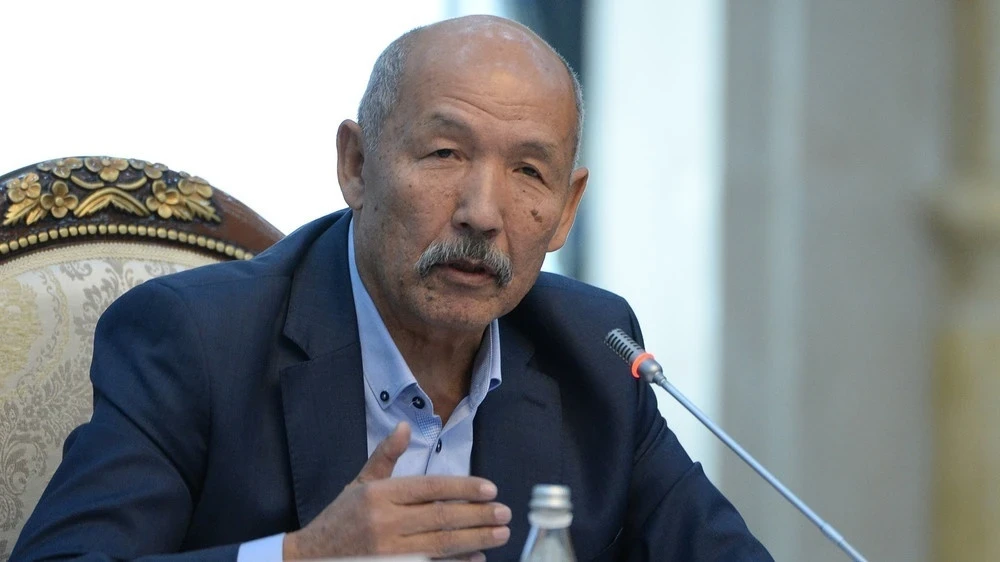
Sheradil Baktygulov, Political Scientist:
- Last year, trade volume between Kyrgyzstan and Iran amounted to $80 million, demonstrating growth. Kyrgyzstan exported legumes and nuts, while Iran supplied paints and construction materials. However, for Kyrgyzstan, this is a small amount against the backdrop of an overall budget exceeding 1 trillion soms. No serious economic upheavals are expected, as products can be replaced. For example, goods from Uzbekistan, Russia, and China can take the place of Iranian supplies.However, it is necessary to consider that the Gulf countries, such as the UAE and Kuwait, have also been attacked by Iran, and Kyrgyzstan trades with them. Remittances from Kyrgyz citizens working in these countries come from there — about 10,000 in the UAE and approximately 1,000 in Kuwait.
Overall, losses may increase, and they need to be taken into account. It is expected that supplies from other countries may significantly decrease.Regarding fuel supplies, Kyrgyzstan receives gas from Russia and Uzbekistan, so there will be no losses. However, problems may arise with the import of flowers and technologies from the UAE.
Challenges are likely to be temporary, but there is a risk that entrepreneurs will start raising prices, citing the conflict, which may cause speculative price increases and affect inflation. The lack of diversified supplies may also exacerbate the situation, as entrepreneurs may increase margins to cover losses.
From a political perspective, cooperation between Kyrgyzstan and Iran is quite weak and is mainly limited to protocol congratulations and exchanges of opinions.
However, it is worth remembering that during the conflict between Kyrgyzstan and Tajikistan, Iran stated that the security of Tajikistan is the security of Iran. This statement is not forgotten in Kyrgyzstan. Uzbekistan and Kazakhstan also expressed support for Arab countries, which is also important to consider.
In the educational and humanitarian spheres, connections between the countries are minimal: only 30-40 students study Persian in Kyrgyzstan, and in Iran, there are probably no more than a hundred Kyrgyz women married to Iranians.
It is important to note that the USA, Israel, and Europe are closely monitoring the situation in Iran. Although Kyrgyzstan is not among the strong powers like Azerbaijan or Kazakhstan, it is important to think about how to respond to current events.