The International Business Council (IBC) has prepared an expert opinion and proposed amendments to the draft law of the Kyrgyz Republic "On Amendments to Certain Legislative Acts of the Kyrgyz Republic on Ensuring Road Traffic Safety".
On March 11, 2026, the draft law concerning road safety was adopted by the Jogorku Kenesh in its second reading. This draft law includes mandatory state registration of mopeds and obtaining driver's licenses of the appropriate category.
The IBC has repeatedly addressed the deputies of the Jogorku Kenesh of the VII and VIII convocations with proposals regarding this draft law, and now hopes for active cooperation in its further discussion, which is extremely important for both the business community and the citizens of the Kyrgyz Republic.
The expert opinion was prepared to analyze the potential socio-economic consequences that may arise if the law is adopted without implementing mechanisms for the legalization of already imported and used mopeds, as well as without increasing the number of driving schools to train drivers of the appropriate category.
Although the IBC supports the goals of the draft law aimed at enhancing road safety and regulating the use of motor vehicles, the analysis of the proposed norms shows that their implementation in the current form may negatively affect a significant number of citizens and create numerous practical difficulties.
1. The Importance of Mopeds and Motor Transport
According to information from participants in the courier services market, there are more than 7,000 couriers in Kyrgyzstan using mopeds and low-powered motor vehicles to perform their work duties. Delivery services play an important role in urban logistics, including public catering, shops, and marketplaces.
For most users, mopeds are not just a means of transportation but a tool for earning a living. The main users include students, part-time workers, socially vulnerable groups, and those who work in delivery.
These vehicles help users earn money and ensure mobility in conditions of high traffic congestion. Courier work is one of the few accessible employment opportunities for many young people and labor migrants. Additionally, mopeds are an economical and environmentally friendly mode of transport that reduces the burden on transport infrastructure.
2. Possible Socio-Economic Consequences
Changes in the rules for operating mopeds directly affect the employment and income of many citizens, which may lead to the following consequences:
• loss of income for thousands of people;
• increased logistics costs for small and medium-sized businesses;
• rising prices for goods and services due to increased delivery costs;
• reduction of jobs in the service sector;
• decreased tax revenues.
The volume of courier employment directly impacts the consumer economy, and adopting the law in its current form could trigger a chain reaction affecting related industries and tax revenues from them.
3. Limitations in Training (Category A1)
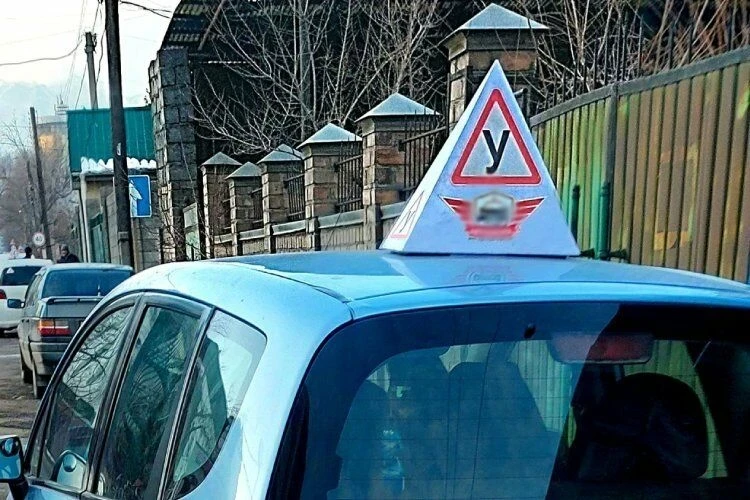
According to the new requirements, a driver's license of category A1 is necessary to operate mopeds. However, currently, there are insufficient driving schools in the country offering training for this category, creating barriers to quickly obtaining licenses.
If the law comes into effect soon, many current moped users will not be able to quickly obtain the necessary licenses due to the lack of driving schools. This will result in a significant portion of citizens who use mopeds for earning a living being unable to work for an extended period, potentially leading to loss of income for thousands of families.
4. The Problem of Registering Existing Mopeds
Many mopeds were imported into the country when registration was not required, and their owners often lack the necessary documents. If the law is adopted without a legalization mechanism, many owners will not be able to register their vehicles, even if they wish to comply with the law.
This could lead to an increase in the shadow operation of vehicles, a rise in fines without a real increase in safety, and conflicts between drivers and regulatory authorities.
5. Experience of Other Countries
For a successful and socially acceptable transition to mandatory registration of mopeds and similar vehicles, it is advisable to implement simple and transparent accounting rules. For example, the experience of Kazakhstan shows that the introduction of mandatory registration of such vehicles was accompanied by a minimal set of requirements, allowing for the legalization of transport, preserving jobs, and avoiding negative social consequences.
Recommendations
Ensuring road traffic safety is an unconditional priority. However, effective regulation must take into account the real conditions in the labor market and the business environment.
The development of courier services and urban logistics in recent years has become an important part of the modern economy. This sector generates a significant volume of turnover in public catering, e-commerce, and retail, as well as contributes to tax revenues from restaurants, shops, and service platforms. Limiting the capabilities of the courier infrastructure may negatively impact small and medium-sized businesses, employment levels, and tax revenues.
Therefore, it is important to ensure a smooth and well-thought-out transition to new rules that will enhance road safety while preserving jobs and not creating unnecessary administrative burdens for citizens and businesses.
In this regard, members of the International Business Council propose the following measures to ensure a smooth transition to the new requirements:
Transition Period
Establish a transition period of at least 12 months from the date the law comes into effect, during which the requirements for having a category A1 driver's license and state registration of mopeds will apply without penalties.
Simplified Registration of Previously Imported Mopeds
For mopeds imported before the law comes into effect, provide a simplified registration procedure allowing registration without a technical passport based on:
• the vehicle identification number (VIN) or engine number;
• a written statement from the owner regarding actual ownership of the vehicle.
Adaptation Period for Obtaining Category A1
During the transition period, allow the operation of mopeds on the condition that the driver is registered in the training system or preparing to obtain a category A1 driver's license.
Phased regulation will allow for simultaneously enhancing road traffic safety and preserving the existing economic ecosystem.
The International Business Council is ready to continue expert dialogue with government authorities on improving regulation in this area and is open to discussing mechanisms for implementing the proposed measures.