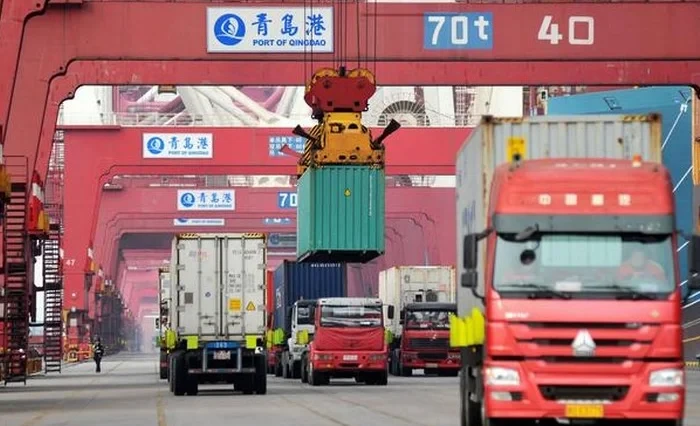
In the first half of the year, there was moderate trade growth, largely driven by anticipatory purchases of goods ahead of expected tariff increases. Although global financing conditions have improved, with a decrease in sovereign spreads and strengthening stock markets, external risks remain. Weak economic dynamics in the Eurozone and uncertainty in trade policy negatively affect exports, especially in the automotive sector of Central Europe and the Western Balkans.
After a slowdown at the beginning of 2025, inflation in the region began to rise again in the second half of the year.
Prices are under pressure from rising food and utility costs, particularly in Central Asia and Romania, as well as from ongoing wage growth. Most central banks preferred to keep the current monetary policy unchanged.
According to the World Bank's forecasts, economic growth in ECA will remain at 2.4% in 2026. Domestic demand is expected to be supported by declining inflation, improved financial conditions, the absorption of EU funds, and increased defense spending. A moderate recovery in exports is anticipated in 2027.
The growth rates for the countries in the region, excluding Russia, Turkey, and Ukraine, are expected to be approximately 3.1% in 2026-2027. However, there are significant demographic challenges among the forecasts, such as an aging population and a declining labor force growth. By 2050, the dependency ratio could reach 63%.
The risks associated with the forecast remain high. Increased trade tensions, prolonged geopolitical conflicts, and a potential rise in global interest rates could negatively impact economic indicators. At the same time, if the active phase of the conflict in Ukraine ends sooner, it could facilitate an acceleration of investments in recovery and increase investor confidence.
In the global context, economic stability is maintained: global economic growth is expected to be 2.6% in 2026 and 2.7% in 2027. However, a quarter of developing countries are still poorer than they were in 2019.