As the co-founder of Chima, a research lab in applied AI, I actively contemplate the concept of "world models" — systems capable of creating interactive and dynamic environments based on simple prompts. An example of this is Google DeepMind's Genie 3, which can create three-dimensional worlds based solely on a single phrase. Meanwhile, Fei-Fei Li from World Labs is developing Large World Models (LWM) that can perceive and generate three-dimensional spaces, endowing AI with "spatial intelligence."
These technologies open up amazing possibilities: from historical epochs to fantastic landscapes that can be explored. It is interesting to consider how such models will affect Generation Z — digital natives accustomed to smartphones and rapidly changing visual stimuli. How will they react to the emergence of technologies that require deep concentration?
What are world models?
Large language models, which power chatbots like ChatGPT, are trained on vast amounts of text data. In contrast, world models learn to model real spaces based on physical laws and interactions of objects.
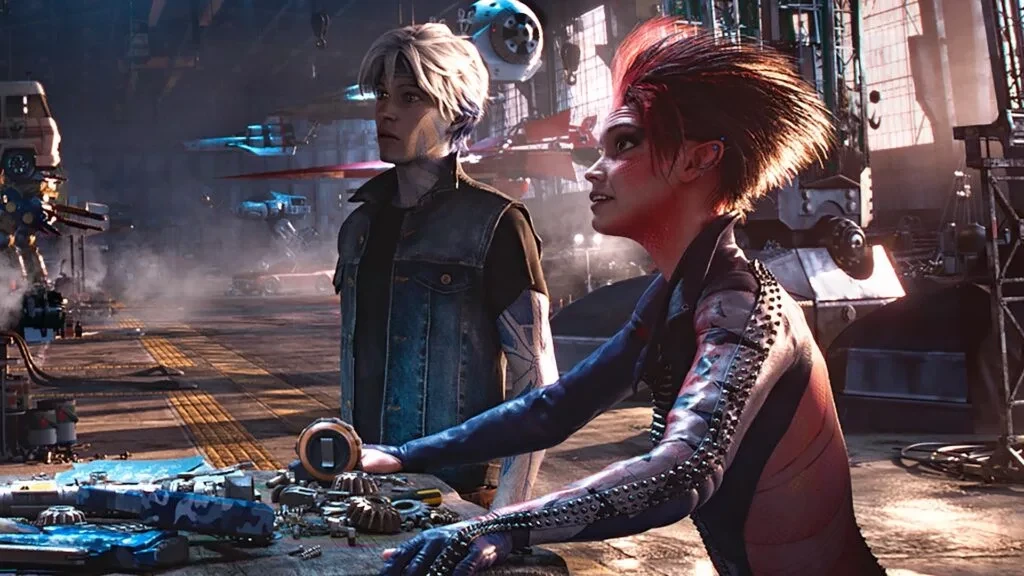
For instance, by giving Genie 3 a command describing a helicopter pilot over a cliff, you can control the helicopter in the created world, much like in a video game. Models can replicate physical phenomena, such as during a hurricane, or create magical scenarios, like a firefly flying in a forest. This represents a qualitative leap in AI capabilities, as it creates not just content but also context that allows for immersion.
World Labs takes a different approach, focusing on spatial intelligence. Their LWMs are designed for AI to understand and reason about three-dimensional worlds, rather than just creating them. The lab is developing tools that allow exporting these worlds to other applications, which could lead to more people actively creating content rather than just consuming it.
In recent weeks of 2025, we are witnessing active developments in the field of AI related to world modeling. Yann LeCun, a pioneer in AI, announced the startup AMI Labs with an initial valuation of over $3.5 billion. At the same time, the company Runway introduced new world models for gaming and robotics. Startups like Iconic are emerging, having raised $13 million to develop an AI-based game engine.
Technological progress is advancing at a rapid pace. For example, Ryo Lu from Cursor shared how his team created a full-fledged city simulator, IsoCity, in just three days using AI. This demonstrates that creating complex worlds has become more accessible than ever before.
World models will require users to engage more actively. Instead of merely observing a model, users will explore it, make decisions, and interact with the environment. This contrasts with the rapid consumption of content, as seen on TikTok, and resembles deeper gaming experiences that stimulate curiosity.
The Attention Paradox
This brings us to an interesting paradox: many believe that Generation Z is unable to focus for more than a few seconds. Research shows that constant consumption of short videos can negatively impact concentration. However, the 2022 McKinsey report challenges this view, arguing that Generation Z simply chooses what to focus their attention on. We have become more experienced explorers, filtering out the unnecessary and finding what truly interests us.
The recent launch of the Sora app by OpenAI, which garnered over a million downloads in five days, illustrates this trend. While this app offers interaction with AI-generated content, it still maintains the familiar model of short consumption, raising questions about how Generation Z will respond to more thoughtful and complex technologies.
Three Possible Scenarios for the Future
I see three possible directions for the development of this technology, each of which will impact the cognitive and creative development of youth in its own way.
Cognitive Renaissance. Youth may perceive world modeling as a new form of self-expression and learning, opening opportunities for creating games and films. This could lead Generation Z to become creators rather than just consumers of content.
The Great Rejection. Youth may find the worlds too complex and time-consuming, while the instant gratification of social media content attracts them much more strongly.
Hybrid Future. The most likely scenario is a symbiosis of short content and world models, where youth will use both forms for entertainment, learning, and self-expression.
The question of how the benefits of world models will be distributed is becoming increasingly relevant. Technologies may deepen the divide between those who have access to them and those who do not.
Ownership Rights and Freedom of Action
As AI creates increasingly complex and engaging worlds, new questions arise regarding ownership and control. For example, companies like Iconic are creating adaptive worlds with AI characters that can remember and evolve. This raises questions about how such technologies affect users' autonomy and their relationship with reality.
It should be noted that experts predict the dominance of world models in AI architectures in the next three to five years. This could mean not just a new technological platform, but fundamental changes in our interaction with the digital world and reality.
Ultimately, how we interact with these models will determine their impact on the younger generation. We can use them for learning and creativity, or we can allow them to displace reality, unaware of the potential consequences.
Source