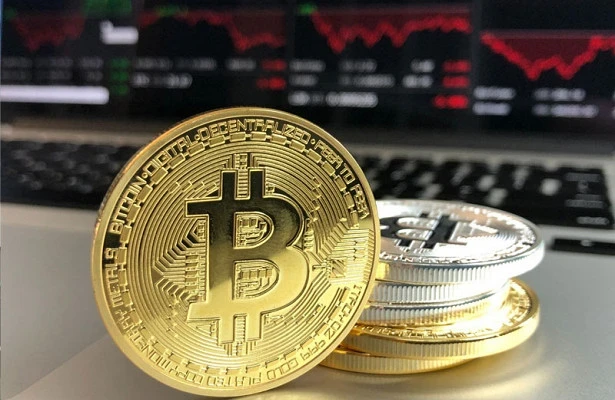
According to the latest data, large bitcoin holders, known as "whales," have recorded the highest increase in purchases since November, following several weeks of active selling, which has contributed to the stabilization of cryptocurrency prices. However, most small investors are still on the sidelines.
Analysts from Glassnode emphasize that over the past year, large players have often acted as net sellers, and since mid-December, they have withdrawn more than 170,000 coins from their wallets.
A recent report from the American investment firm Grayscale claims that bitcoin has stopped correlating with gold, and its short-term fluctuations are now dependent on technology stocks. Zak Pandl, an analyst at Grayscale, characterized cryptocurrencies as high-risk assets that attract investor attention during periods of hype.
When panic arises in the market, investors quickly sell off their assets, unlike gold, which retains its value in tough times. Pandl noted that many traders do not consider bitcoin a safe investment capable of withstanding market fluctuations. Over the past 12 months, the price of the first cryptocurrency has followed the dynamics of software development companies' stocks, indicating expectations of growth. In the event of a stock market decline, investors become cautious and start withdrawing funds from bitcoin, the analyst added. Last week, on February 5, the price of bitcoin fell to $60,000, which is more than 50% lower than the record of $126,000 reached in October 2025.
Pandl also observed that the drop in bitcoin's price occurred almost simultaneously with the decline in technology stocks, which was triggered by concerns that artificial intelligence could replace traditional software solutions. Nevertheless, the analyst believes that bitcoin has not yet revealed its full potential and possesses characteristics that could make it a reliable store of value. Primarily, this is the limited supply of 21 million coins, which should help maintain the cryptocurrency's value even with increased demand. Additionally, the decentralized nature of bitcoin makes it more attractive to investors compared to traditional currencies that are controlled by central banks.
Pandl speculated that in the future, bitcoin could become "digital gold," however, he noted that currently, its price fluctuations do not correlate with gold and other precious metals. In recent months, while gold and silver have shown steady growth, bitcoin has behaved differently.
At the same time, the analyst is not surprised by this situation, as bitcoin is still in the process of maturing compared to gold, which has been used as money for thousands of years and was the foundation of the global monetary system until the 1970s. Central banks and governments still hold gold as one of their key reserve assets.
Bitcoin, on the other hand, has only existed for 17 years and continues to prove its viability as a global financial asset, concluded the Grayscale analyst.