The patent was prepared under the guidance of Andrew Bosworth, the Chief Technology Officer of Meta, and was filed in 2023. A company representative, commenting on this initiative, noted that Meta does not plan to implement this project in the future.
The document also explains why such technology may be in demand. If a user stops posting content, whether due to the need for a break or death, it negatively affects their followers, who will begin to miss their activity.
“The consequences for users will be particularly significant and irreversible when it comes to the death of a user who cannot return to the platform,” the patent states.
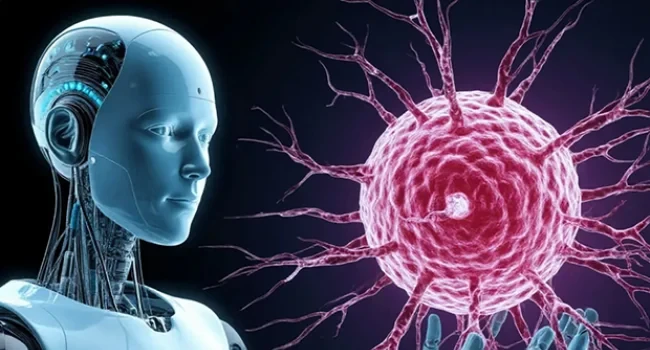
Meta plans to create a digital copy of a user's presence on social media by training a model on data about their activity, such as likes, comments, and posts, to understand how they would behave. This copy could interact with content from other users, liking and commenting, as well as responding to direct messages. This could be useful for influencers and content creators who need a break from social media.
The patent also mentions the possibility of simulating audio and video calls with users.
Despite filing patent applications to explore concepts, a Meta representative emphasized that obtaining a patent does not necessarily mean that the technologies will be developed or implemented.
This initiative raises many questions regarding technology and the grieving process. An artificial intelligence that becomes a virtual double of a person is one thing, but what about simulating those who have already passed away?
Edina Harbinja, a professor at the University of Birmingham's law faculty, expressed her concerns about this. “This raises not only legal aspects but also important social, ethical, and philosophical questions,” she said in an interview with Business Insider, describing the specifics of digital rights and privacy after death.
Meta has long been considering issues related to digital legacy management. About ten years ago, Facebook implemented tools for appointing a “legacy contact” who could manage a user's account after their death. Additionally, in an interview with podcaster Lex Fridman in 2023, Mark Zuckerberg discussed the possibility of creating virtual avatars of deceased individuals.
“When someone loses a loved one, communication and memories can be helpful,” Zuckerberg noted.
There are many terms to describe technologies aimed at helping people cope with loss: death robots, ghost robots, and grief technology. These solutions help people deal with the loss of loved ones through digital versions of their personalities.
Based on this idea, startups have emerged, such as Replika, founded by Eugenia Kuyda in 2015 after the loss of a friend, and You, Only Virtual (YOV), created by Justin Harrison in 2020 after his mother was diagnosed with cancer.
“The tech space has long been interested in these topics, especially considering the progress in generative AI,” Harrison noted.
In 2021, Microsoft patented a chatbot capable of imitating deceased individuals, as well as fictional characters and celebrities.
According to Harbinja, Meta's patent indicates that technologies related to digital doubles are beginning to enter the mass market.
Harrison is not surprised that large companies are exploring this area and sees it as a sign that society is becoming more open to such topics.
“We strive to improve what we can offer people,” he added, pointing out the ineffectiveness of existing resources for coping with grief.
Nevertheless, discussing issues related to AI, death, and grief is complex. The intertwining of these topics creates a complicated set of taboos suitable for philosophical debates about ethics, digital rights, and privacy.
“Let the dead remain dead”
Meta is considering not only the possibility of supporting people in the grieving process but also the commercial interest in developing the technologies mentioned in the patent, especially for temporarily suspended accounts.
“This will lead to greater engagement, more content, and data — both for current and future AI,” Harbinja noted. “I understand why this is beneficial for business, but it will be interesting to see how and when they implement this technology.”
There are various questions regarding the implementation of such technologies. For example, will this apply to all Meta applications? Will the system distinguish the nuances of using WhatsApp and Instagram?
Joseph Davis, a sociology professor at the University of Virginia, expressed concern about how tools like Metabot could affect the grieving process. “One of the tasks of grieving is to accept the loss itself,” he noted.
“Let the dead remain dead,” Davis added. “The idea of bringing them back to life, even though it’s not really the case, creates confusion.”