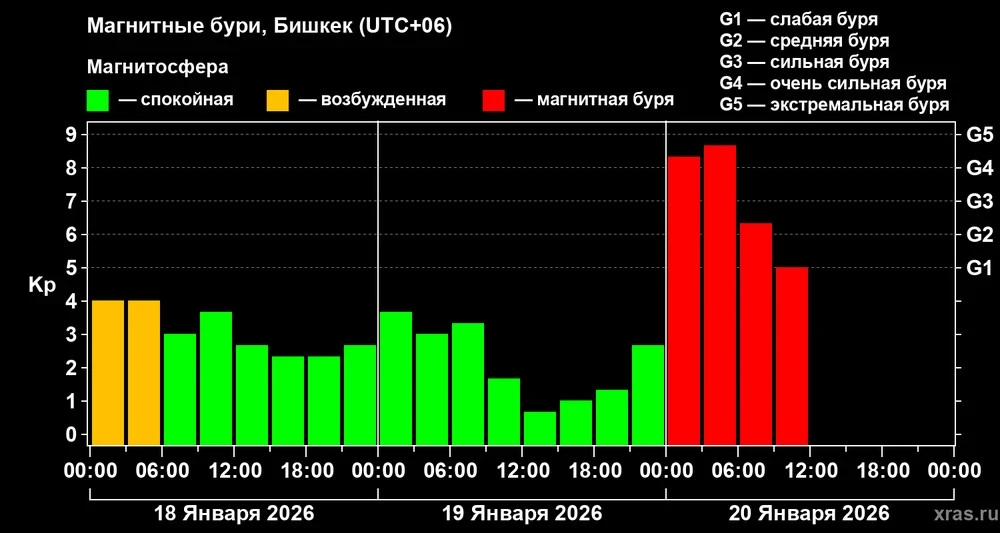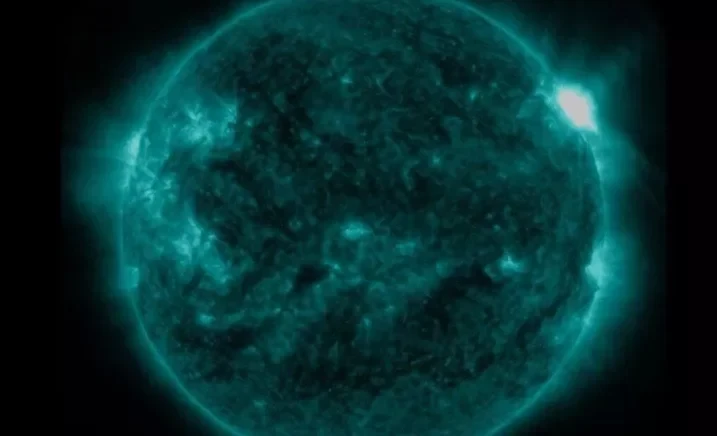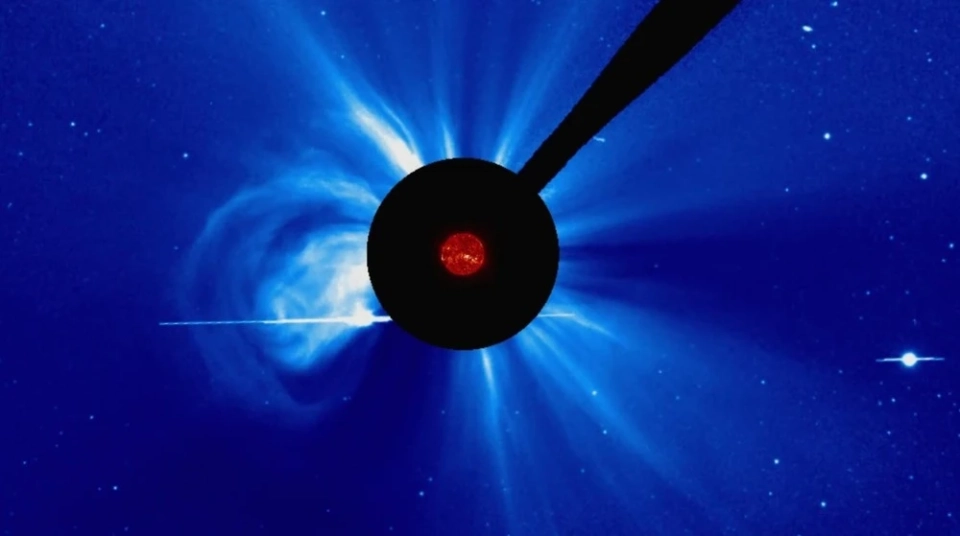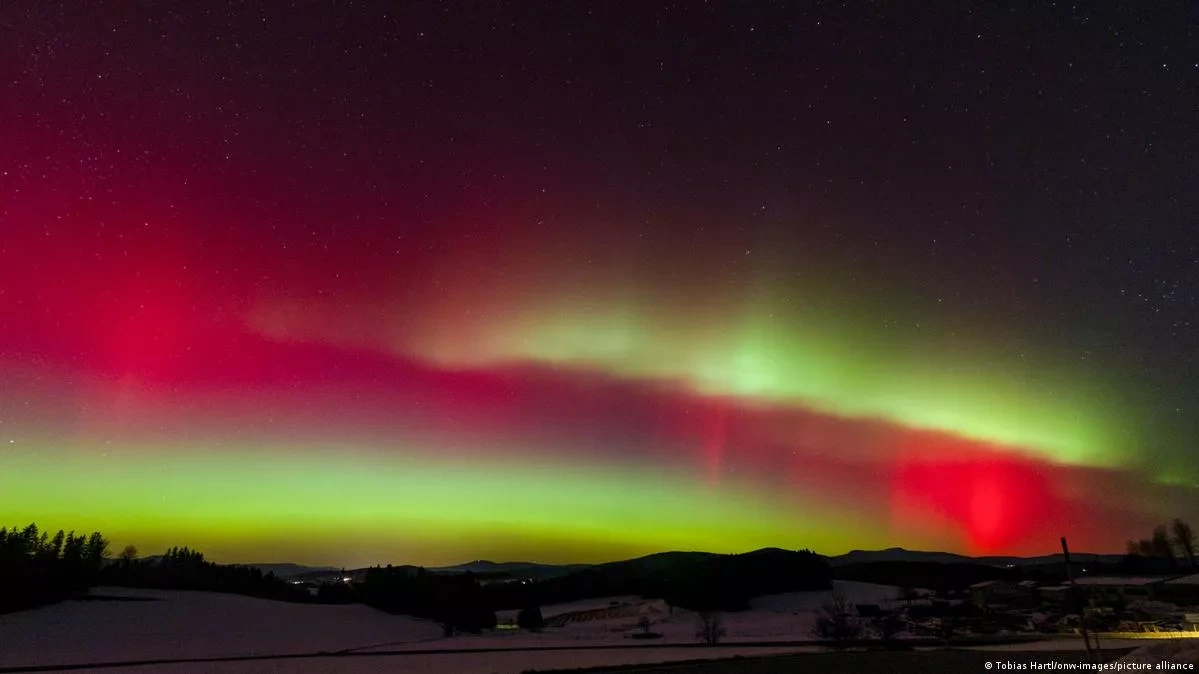
According to the Solar Astronomy Laboratory of the IKI RAS, the "magnetic field induction," which is the only reliably measurable indicator of solar wind, shows values close to historical records. Scientists added that the storm will continue for at least another day, and full stabilization of the geomagnetic situation will not occur for at least 2-3 days.
Despite the high levels of magnetic activity, scientists emphasize that there is no danger to human health on the surface of the Earth. The Earth's magnetic field and atmosphere effectively protect the planet from the flow of energetic particles, preventing their penetration to the surface. Otherwise, the Earth's biosphere could face serious threats. However, the risk for astronauts in open space and for passengers on high-altitude flights in northern latitudes remains high.
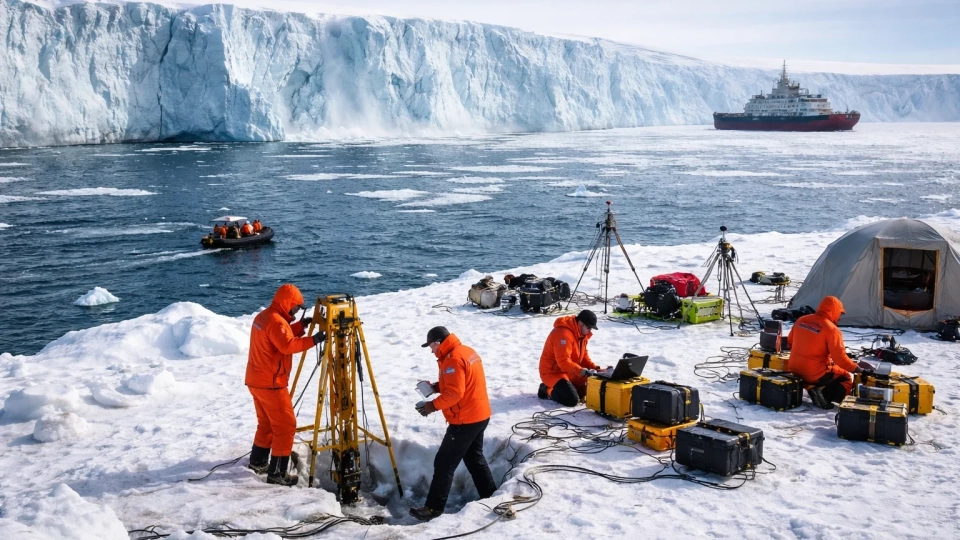
Space equipment is currently experiencing the greatest load. Even radiation-hardened electronics may encounter malfunctions due to strong proton flows, leading to memory failures in satellites, increased noise in images, and errors in navigation systems. This poses a particular threat to SpaceX Starlink internet satellites, where the failure of one or more devices could trigger a chain reaction with serious consequences. Additionally, according to NOAA, disruptions in shortwave radio communication and an increase in navigation errors are expected in polar regions over the next few days.