As reported by a Turmush correspondent, this settlement was previously called "Kötal".
According to local residents, since 1965 the name Kötal has been replaced by Yntymak.
Initially, the village was named Kök-Tal, which is associated with the willows (kök tal) that once grew in this area. Later, Turkic peoples settled here, using the land for wintering. Due to difficulties in pronouncing "Kök-Tal," the name was simplified to "Kötal," which eventually reflected in some official documents where this name also began to appear, they explained.
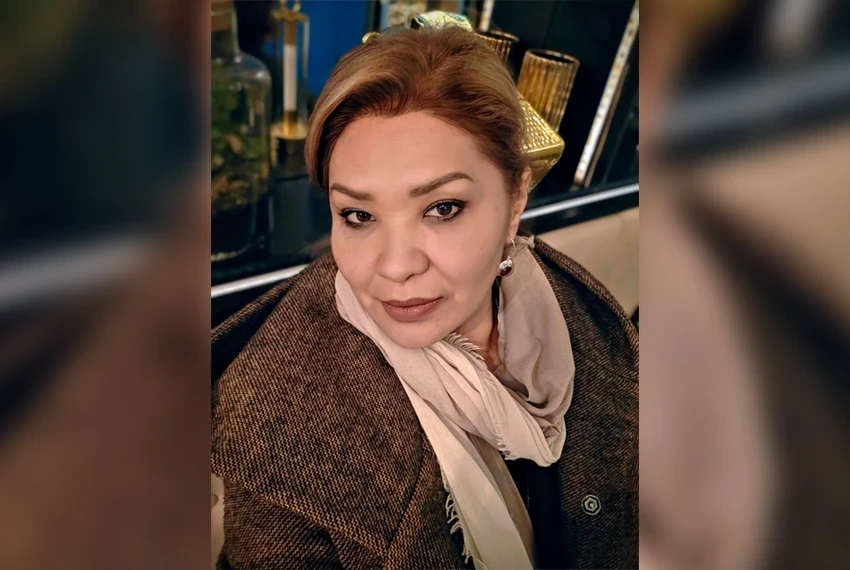
Nurjamal Yrysbaeva, a history teacher at school No. 43 in Yntymak, emphasized that there are many interesting places in the vicinity for study.
She also noted that she regularly conducts excursions for students to expand their knowledge.
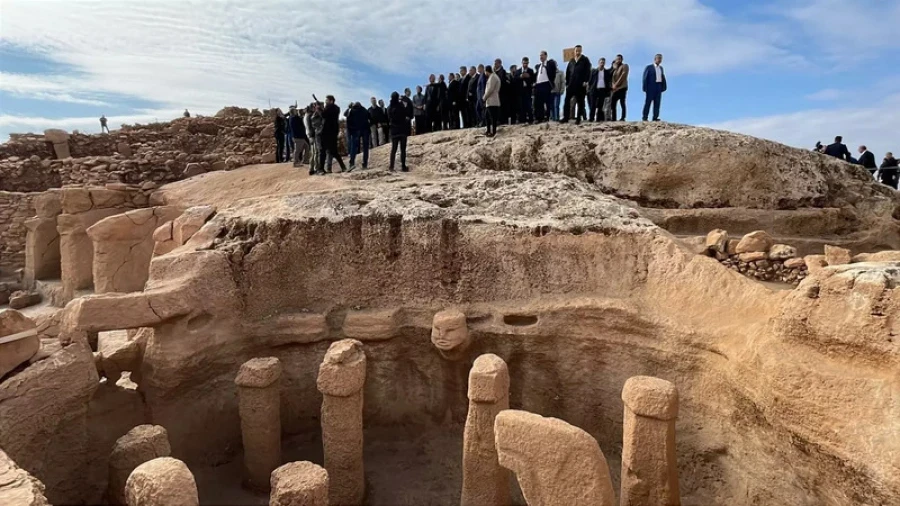
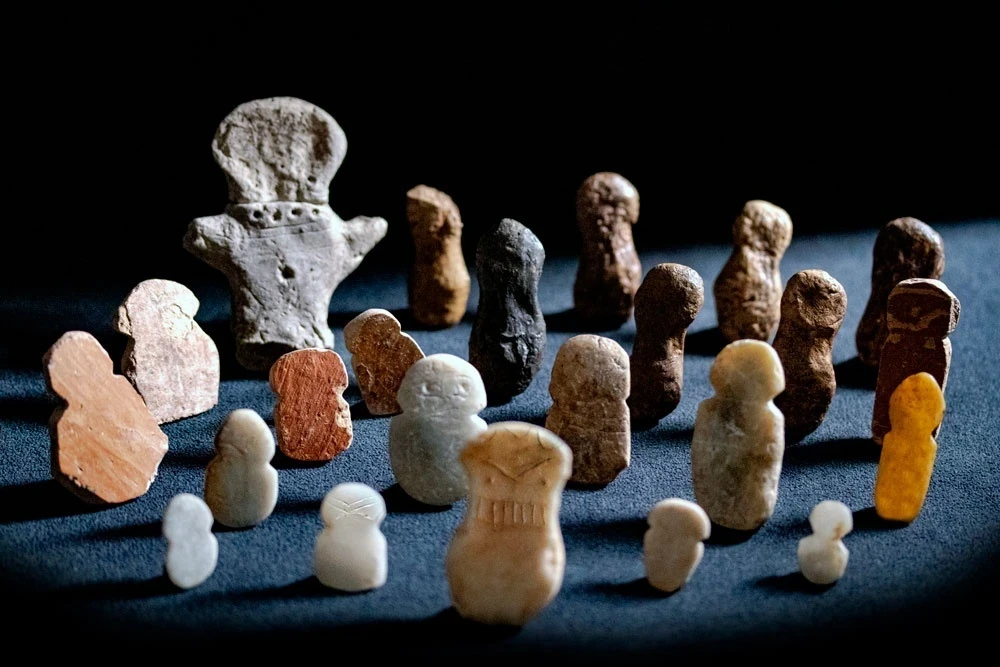
“In fact, there are numerous objects to study here. The village is located on the border with Uzbekistan (in the Ak-Bilal area) and is situated at the foot of low mountains. In some places, the hills are painted bright red. Here, one can find snail shells that have been preserved for centuries and stones shaped like the beak of a golden eagle. We collect such findings and use them as exhibits,” Yrysbaeva said.
- Currently, more than 400 families live in Yntymak. Being close to the border, the settlement has the status of a border area.