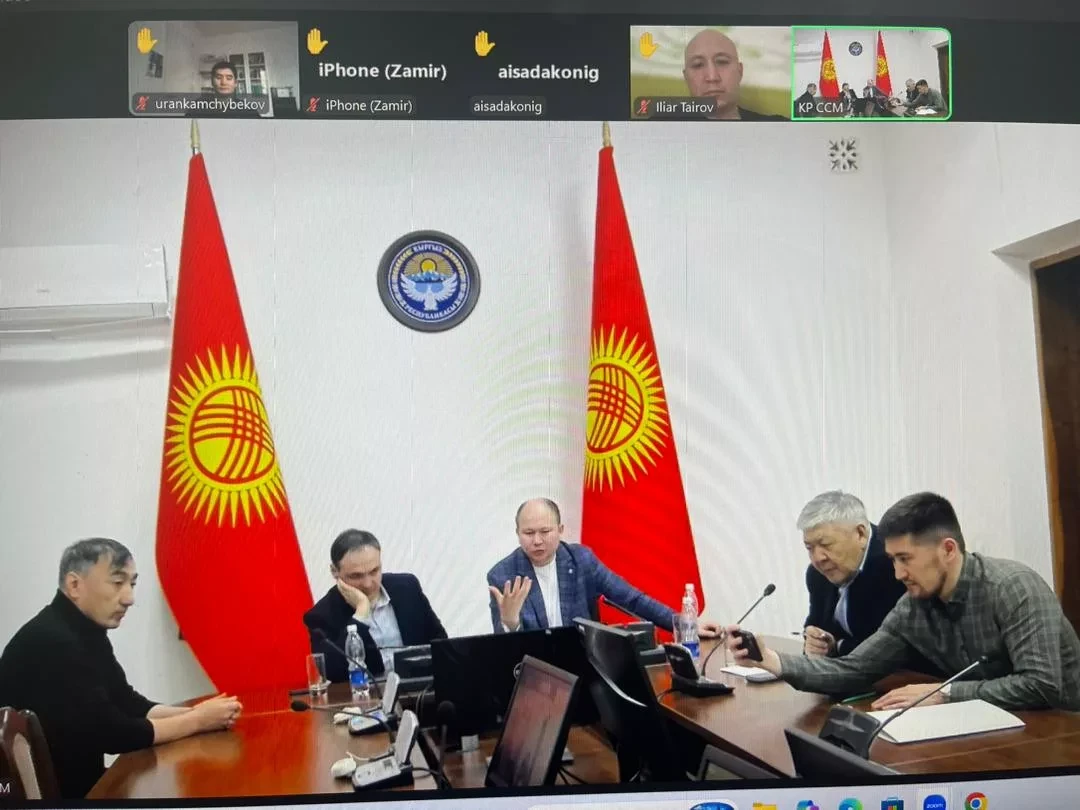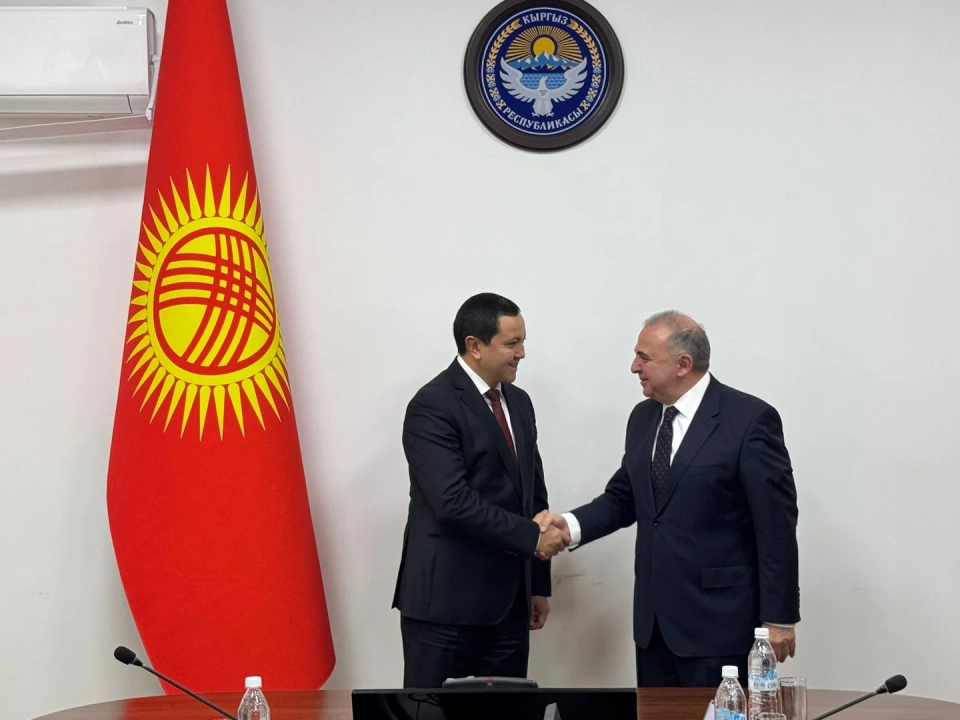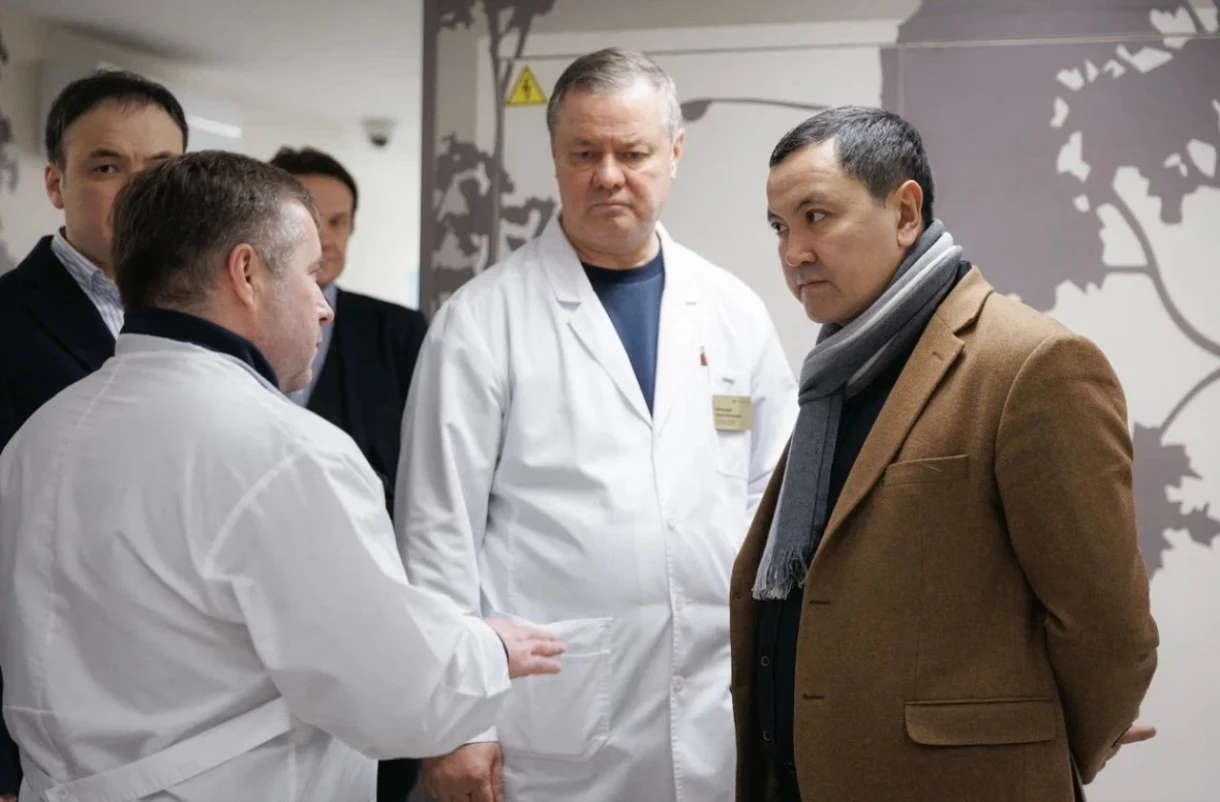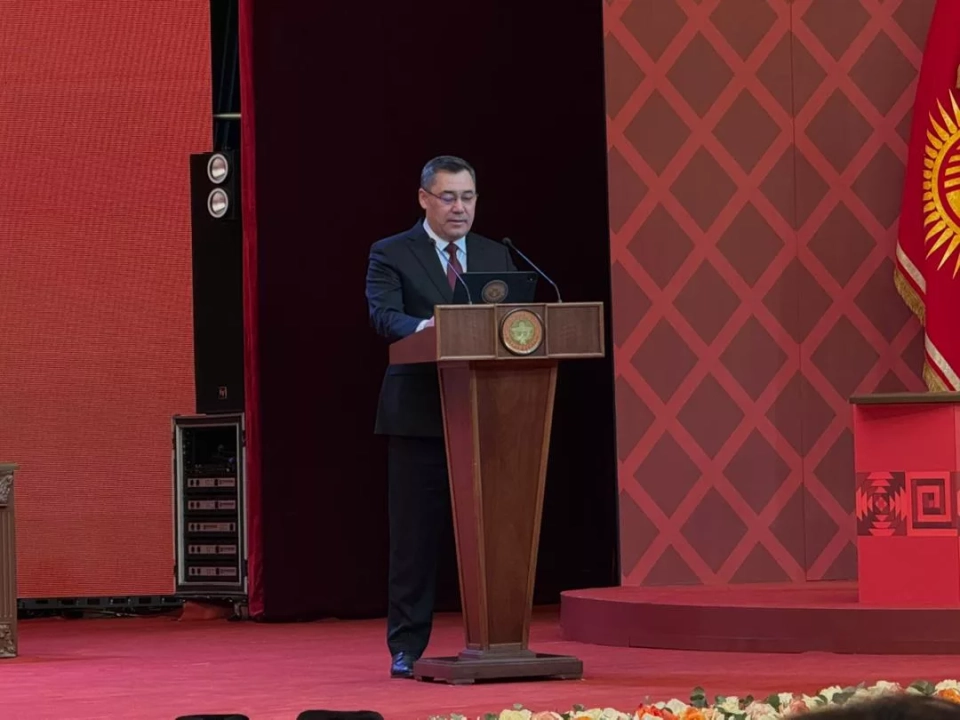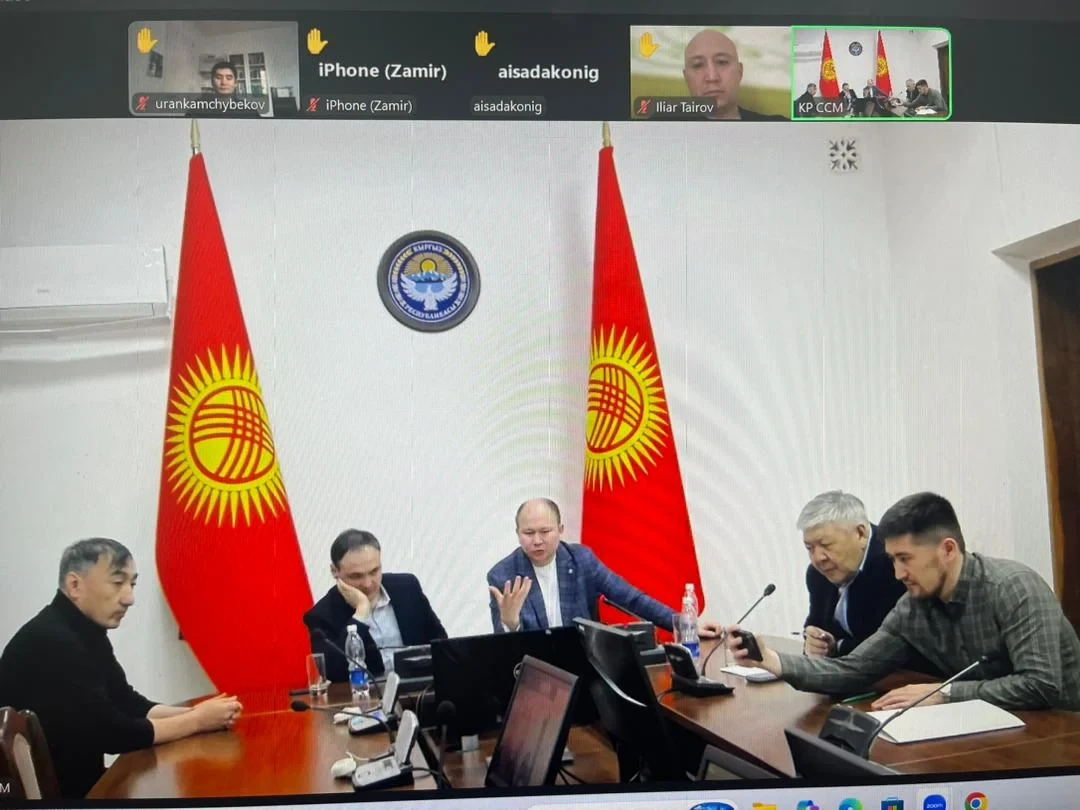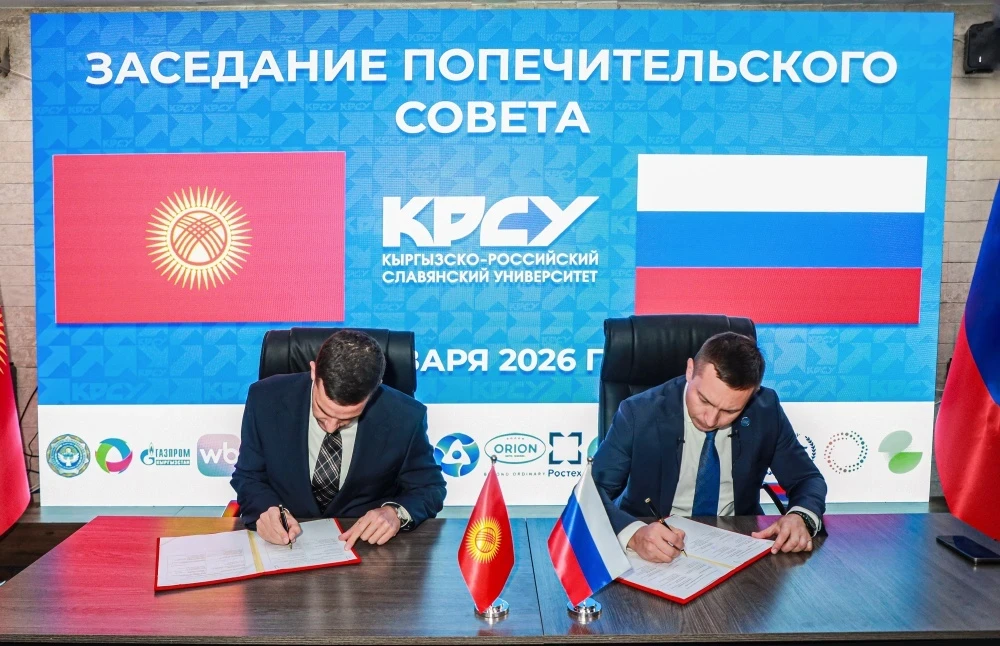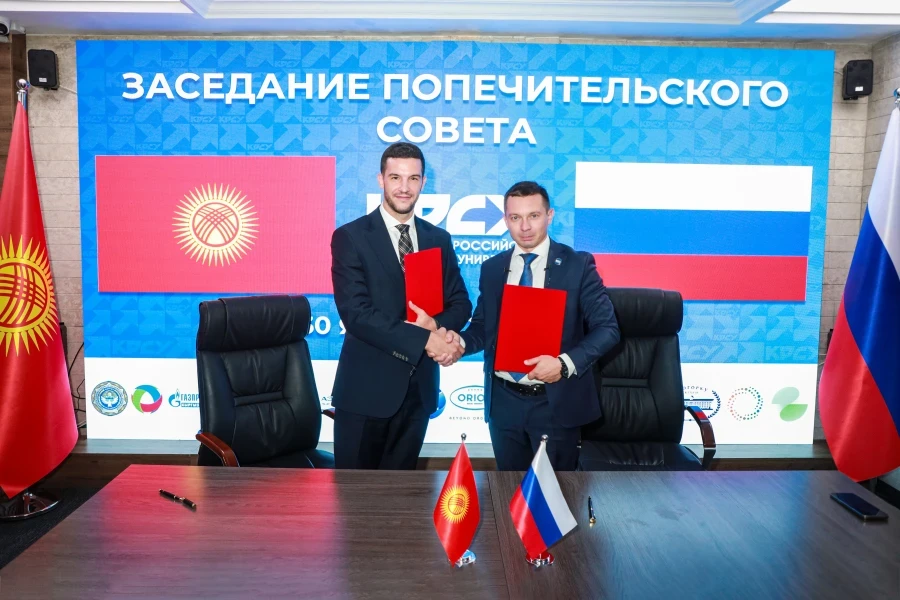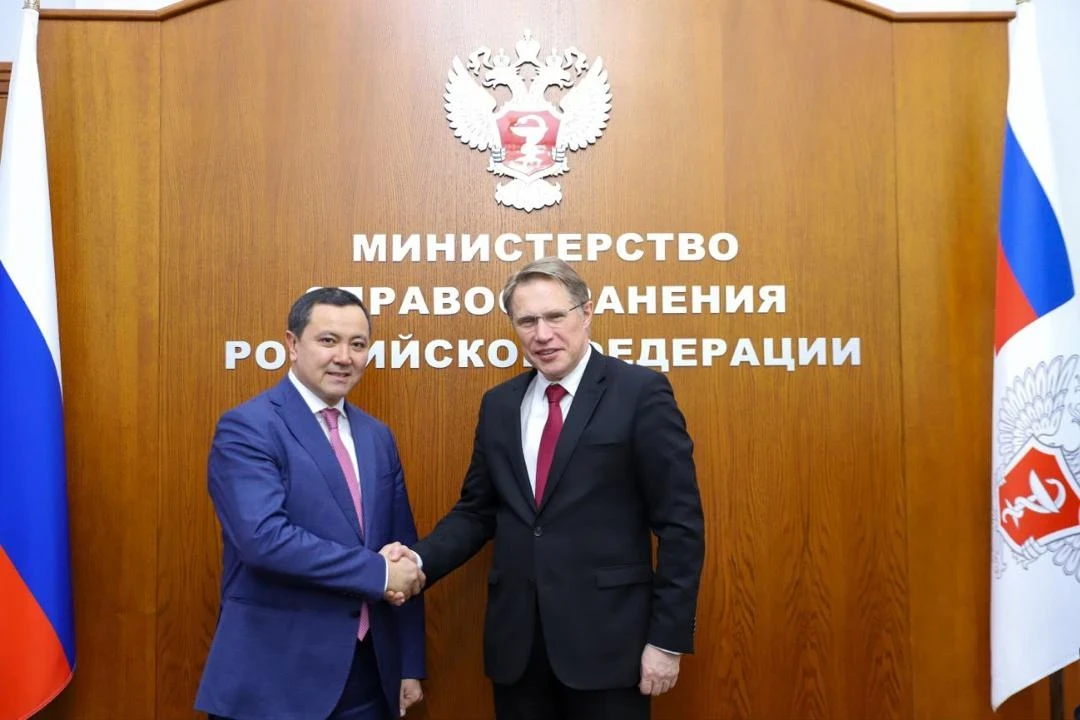
According to the press service of the Ministry of Health of the Kyrgyz Republic, the discussion covered several important topics concerning the interests of citizens of both countries. In particular, emphasis was placed on the possibilities of continuing to allocate quotas for the treatment of Kyrgyz citizens in medical institutions in Russia, including high-tech medical care.
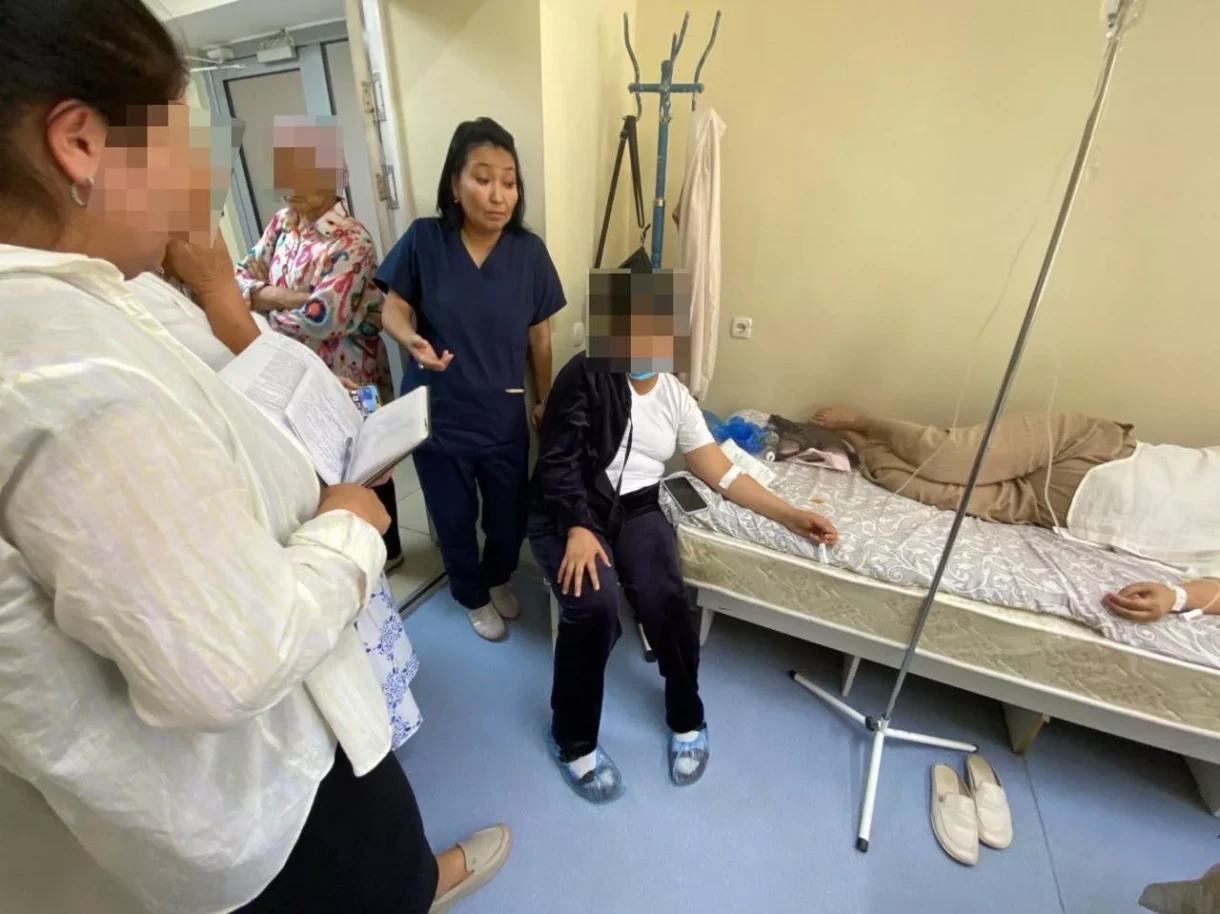
Photo by the Ministry of Health of the Kyrgyz Republic
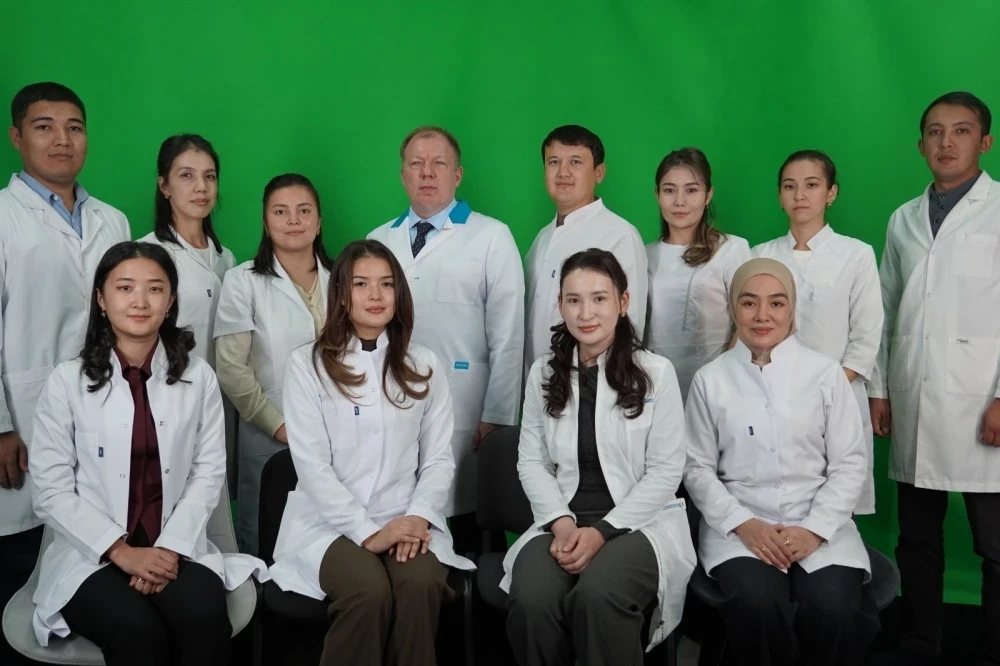
The parties also discussed issues related to personnel development and strengthening professional ties. The prospects for expanding educational opportunities for young medical specialists from Kyrgyzstan were discussed, including fields such as neurosurgery, oncology, cardiac surgery, obstetrics and gynecology, anesthesiology and resuscitation, neonatology, pediatrics, genetics, and laboratory diagnostics.
Within the framework of the discussion on personnel issues, the organization of internships and advanced training programs for Kyrgyz doctors at leading medical and scientific institutions in Russia was also addressed.
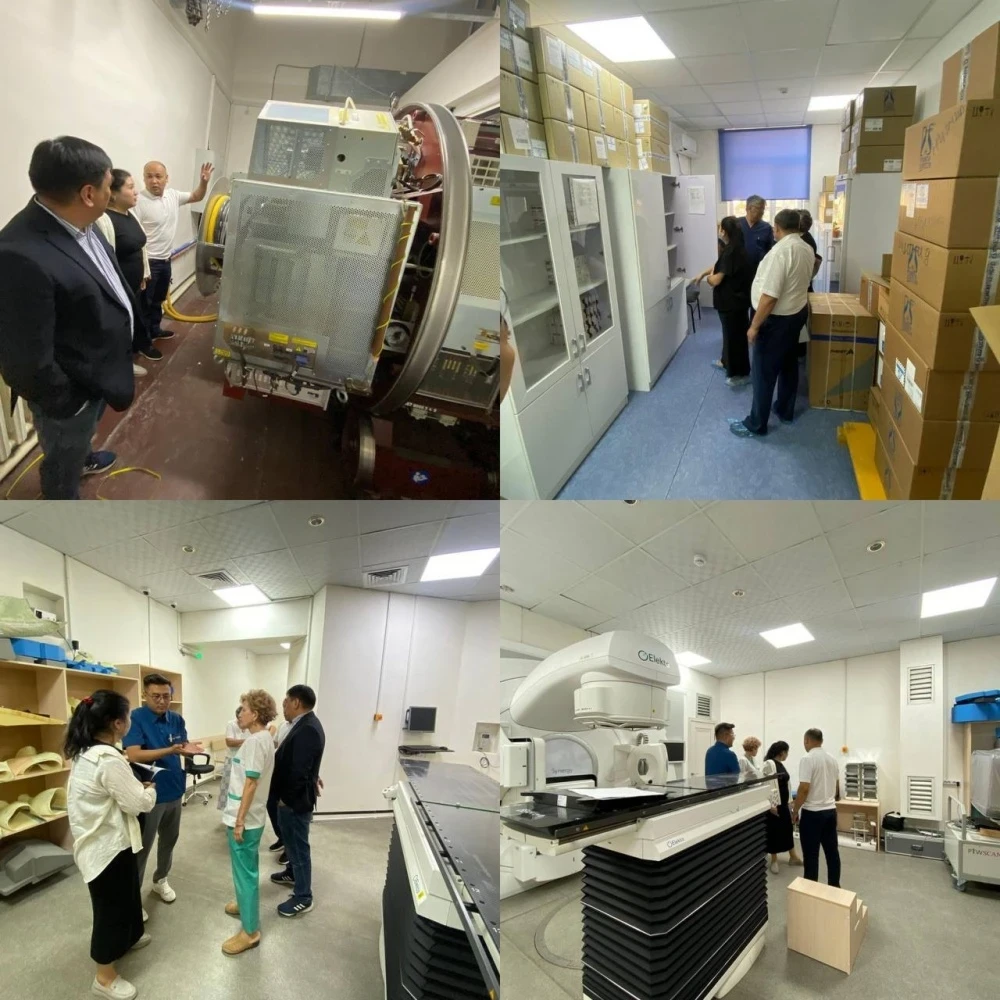
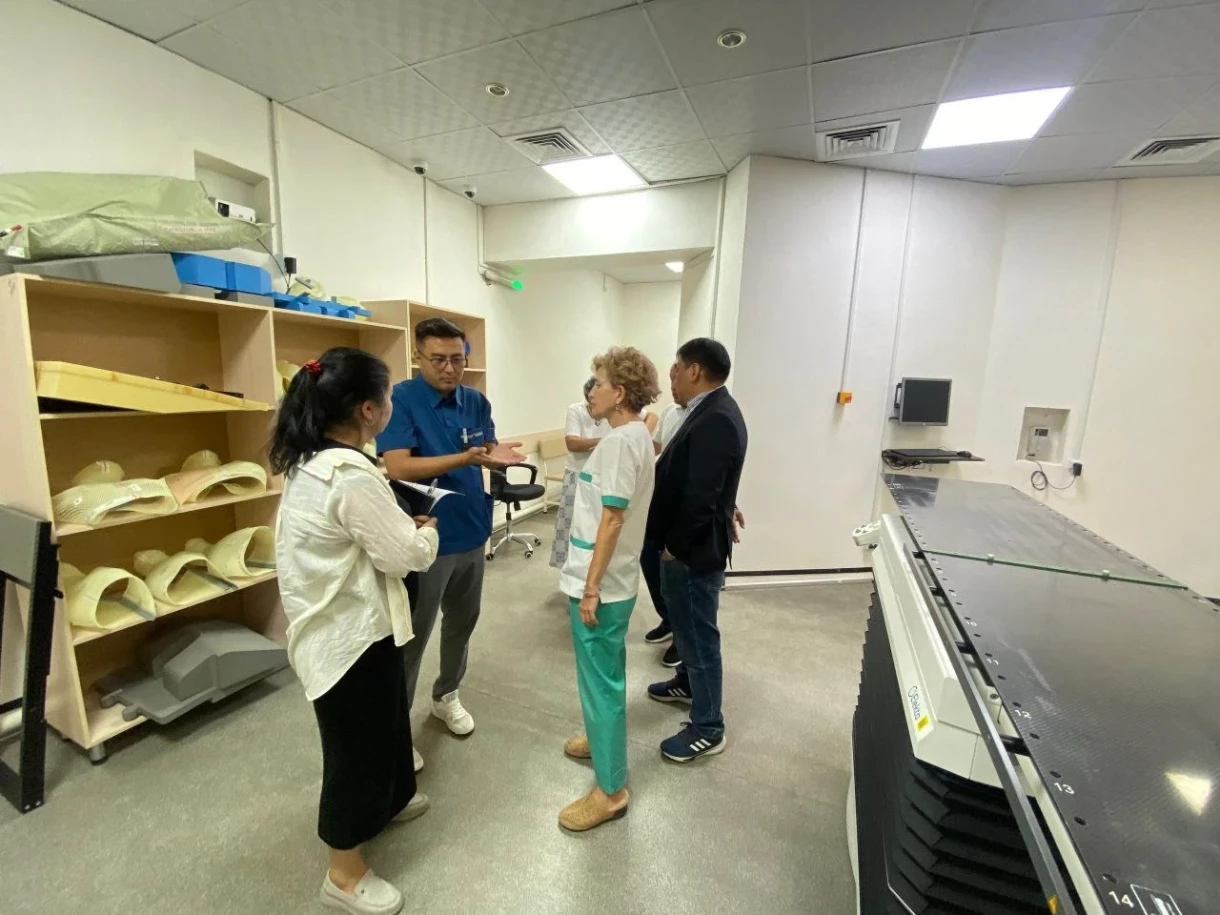
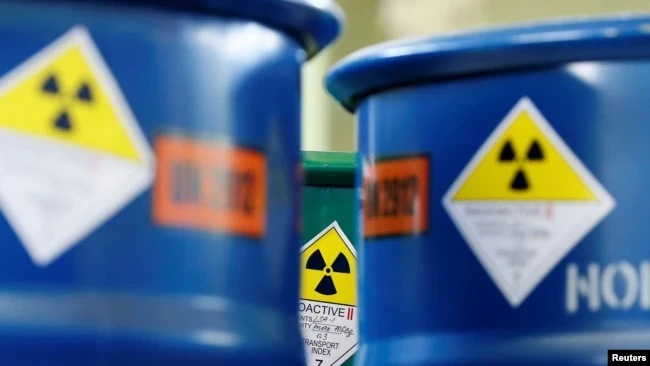
In the field of high technology in medicine, the Kyrgyz side expressed interest in joint projects, including the establishment of a nuclear medicine center in Kyrgyzstan with its own production of radiopharmaceuticals based on cyclotrons.
During the exchange of views, it was noted that certain elements of this project are already being implemented within the framework of the National Center for Oncology and Hematology with the participation of JSC "Rosatom." Initiatives to create the center are included in the state development plans of the country, with a phased preparation of the regulatory framework, conclusion of contracts, and the start of design work in 2026, with completion planned for 2030. The parties also discussed possible formats for cooperation, including expert and technological support, as well as access to equipment and methodological solutions.
In addition, the meeting participants considered issues related to the exchange of professional experience between medical workers of the two countries, including joint surgical operations and other high-tech interventions, as well as expanding formats for scientific and expert interaction.