Thermal resorts remain one of the country's main assets. Turkey ranks seventh in the global ranking and first in Europe in terms of the number of thermal springs, with over 1,500 located here. Healing traditions date back to antiquity when the region of Anatolia was formed around healing waters. Ancient cities like Hierapolis and Pergamon attracted people seeking recovery and treatment.
Among the significant thermal cities included in the European route are Afyonkarahisar, Bursa, and Pamukkale, located in the Denizli province. Afyonkarahisar is famous for its mineral waters and therapeutic mud treatments known for their relaxing and rejuvenating effects. In turn, in Bursa, the thermal culture is organically woven into everyday life and is actively used in medicine, including physiotherapy and rehabilitation programs.
Pamukkale, listed as a UNESCO World Heritage site, attracts tourists with its snow-white mineral terraces and the ancient city of Hierapolis. One of the most popular locations here is the pool that, according to legends, was used by Cleopatra. In addition to these destinations, other thermal cities in Turkey are actively developing, such as Balıkesir, Yalova, Aydın, and Bolu, where the water temperature remains stable year-round.
The culture of hammams also plays an important role in Turkey's wellness tourism. Historical Turkish baths offer a wide range of cleansing and restorative rituals, including steam treatments, scrubs, and traditional soap massages. Hammams are perceived not only as part of cultural heritage but also as modern places for relaxation.
A vivid example is the Zeyrek Çinili Hamam in Istanbul, which has been featured in the list of the World's Greatest Places by Time and in the ranking of the best wellness experiences by National Geographic. Experts link the growing interest in such places to the increasing demand for authentic and culturally significant forms of travel.
With the parallel development of the modern spa sector in major cities and popular resorts, many centers combine traditional practices with new technologies, offering services ranging from massages to personalized fitness programs and recovery courses.
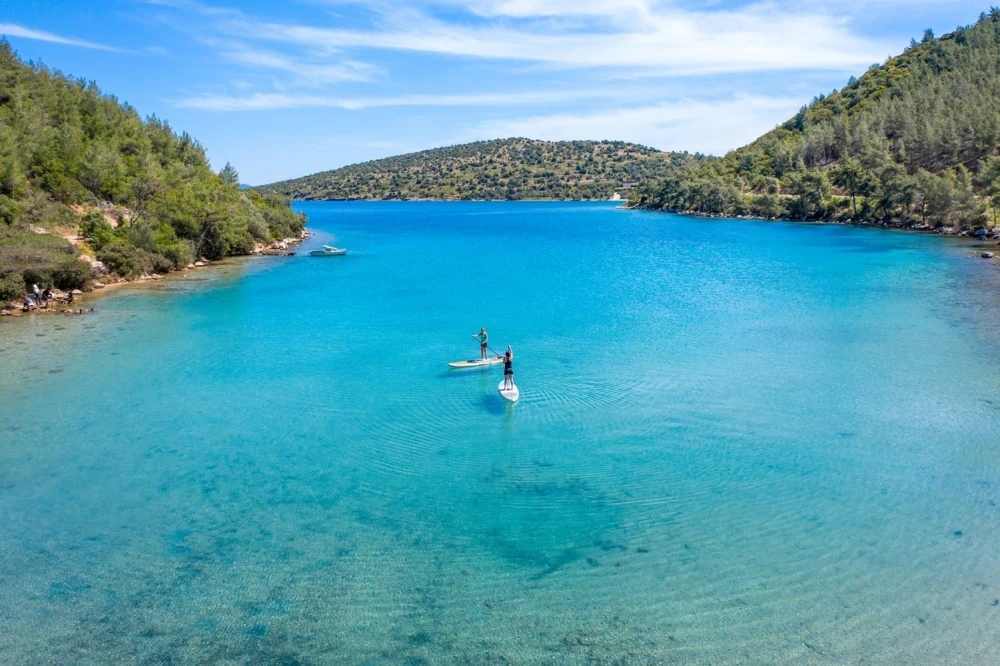
A trend is also emerging where tourists seek relaxation in harmony with nature. In coastal regions such as Bodrum, Fethiye, and Antalya, yoga retreats, detox programs, and stays on organic farms are popular. These formats aim to reduce stress, restore balance, and promote a more conscious lifestyle, including physical practices and balanced nutrition.
Small towns that are part of the Cittaslow network and villages awarded the status of Best Tourism Villages are becoming an alternative to large resorts, offering a peaceful pace of life and proximity to nature with the opportunity to experience local traditions.
The Black Sea region, highlighted by National Geographic as one of the best travel destinations in 2026, is famous for its mountain plateaus, dense forests, and traditional wooden houses. Hiking and cycling routes are becoming important elements of wellness programs, combining physical activity with nature tourism.
According to experts, global interest in wellness trips continues to grow. Turkey aims to capitalize on this trend by expanding its infrastructure and creating new tourist products. It is expected that the combination of natural resources, historical heritage, and modern approaches will help the country position the winter season not only as a time for relaxation but also as a time for health recovery and inner balance.