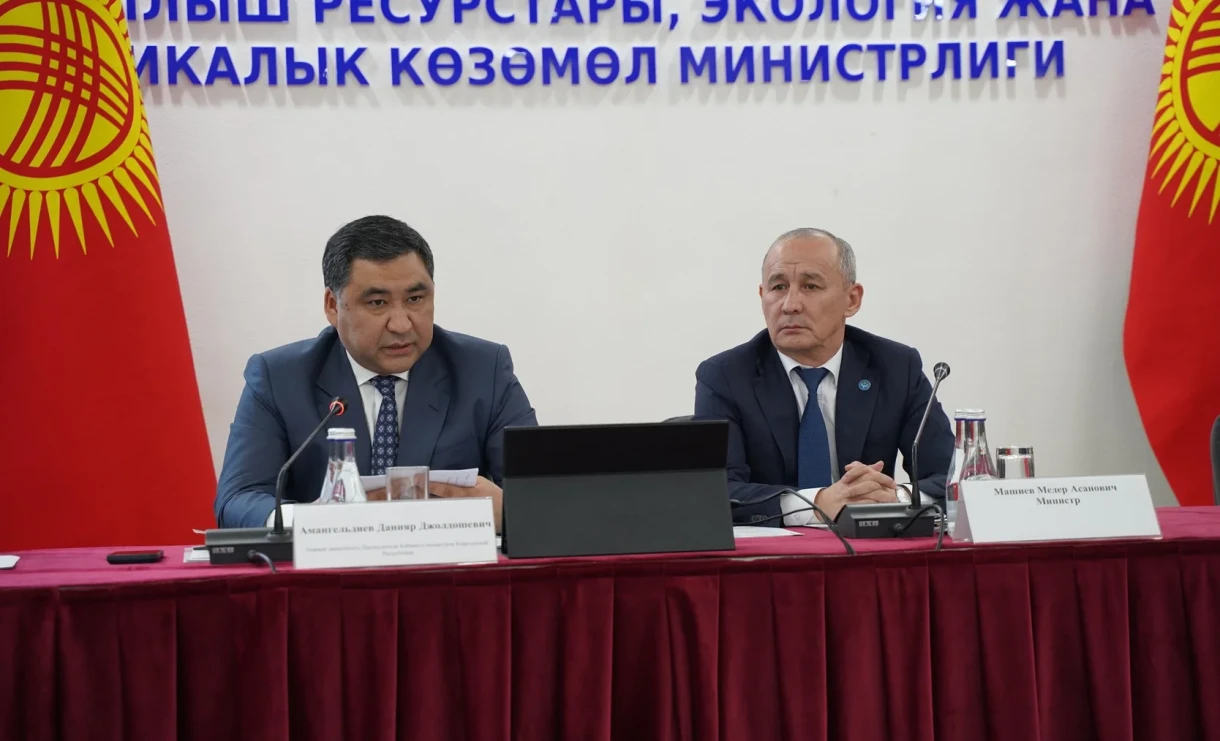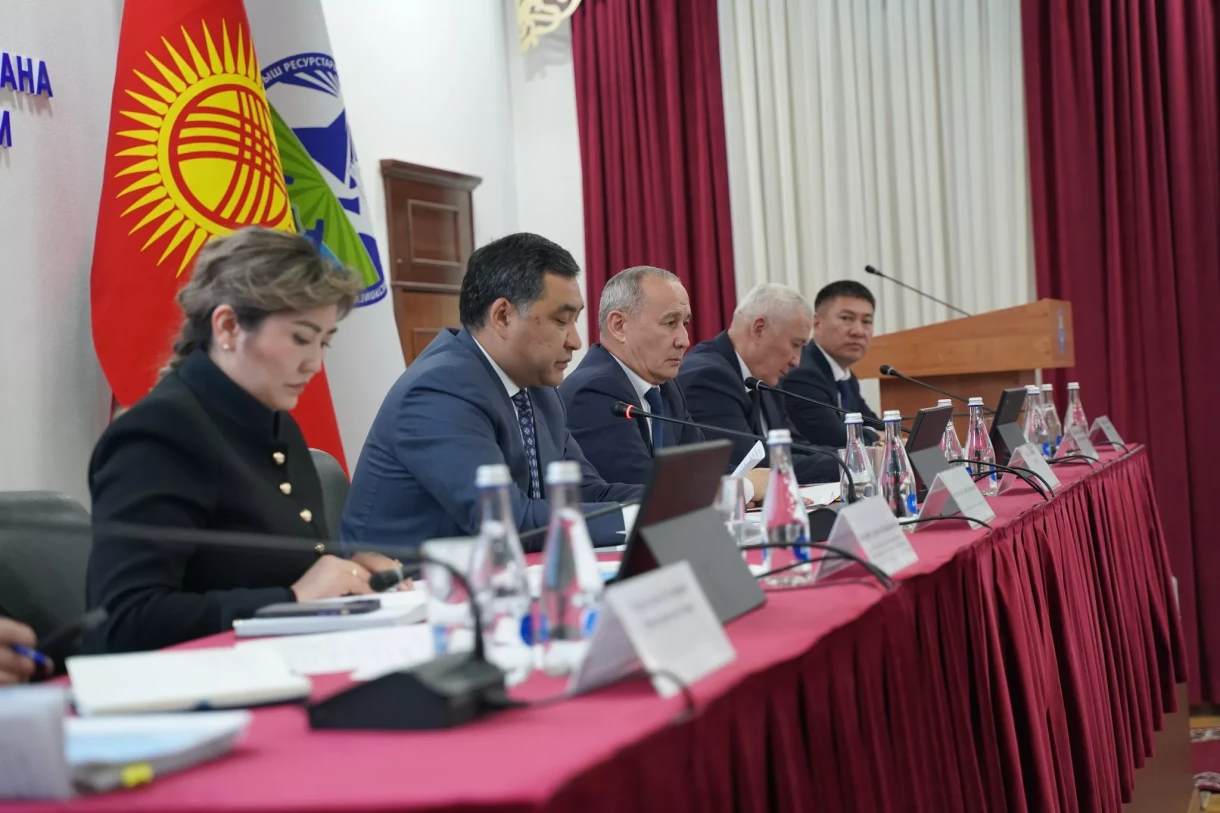
In the republic, multilayered initiatives aimed at improving air quality, developing climate policy, and enhancing waste management are being implemented, as reported by the press service of the Ministry of Natural Resources, Ecology, and Technical Supervision.
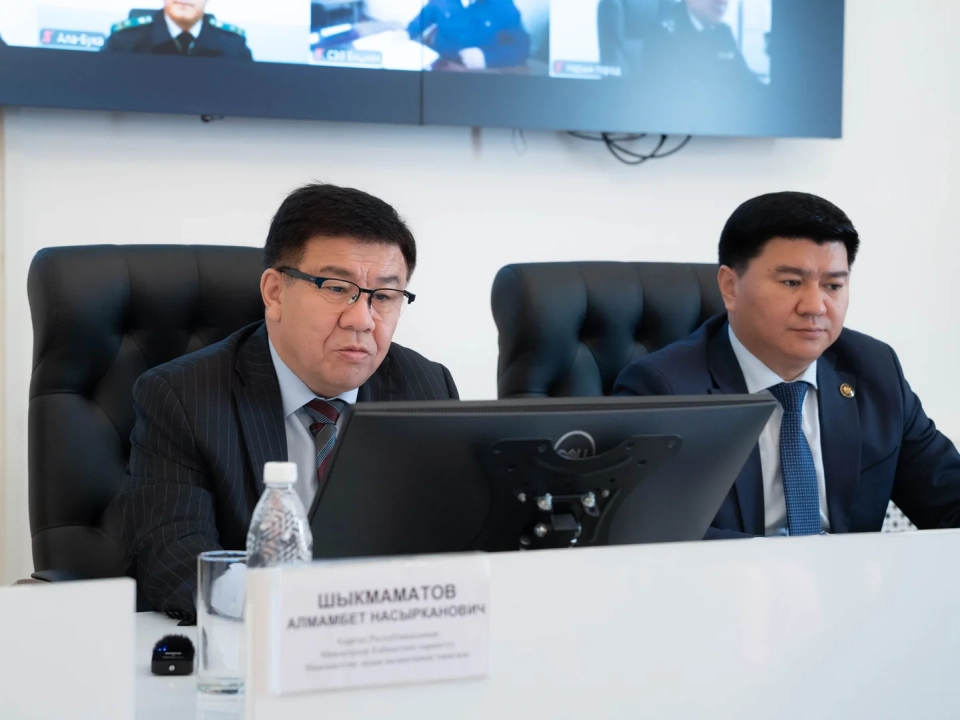
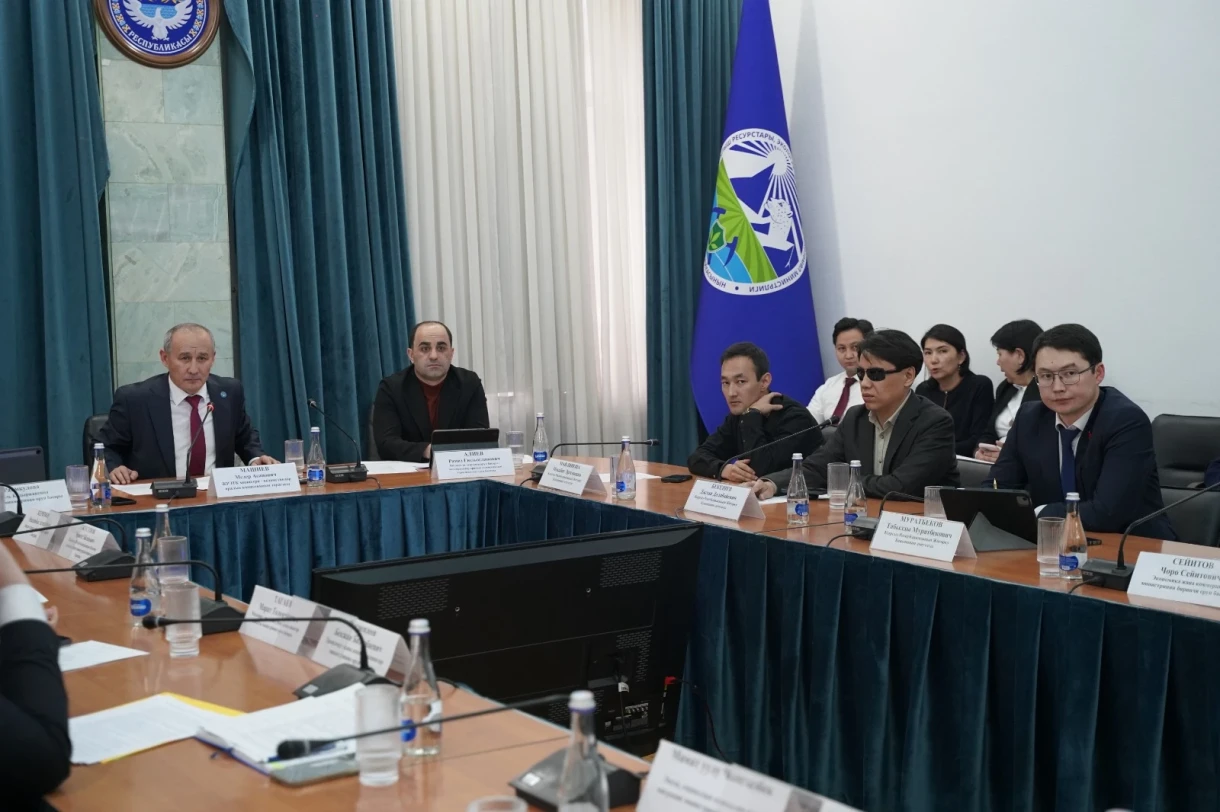
To improve air quality, the composition of the Interdepartmental Commission has been updated, as established by the Cabinet of Ministers' order No. 221. During its operation, the commission held 10 meetings and organized field meetings in Osh and Manas, where current environmental issues and possible solutions were discussed. The results of the work allowed for the development of specific measures to reduce the level of air pollution.
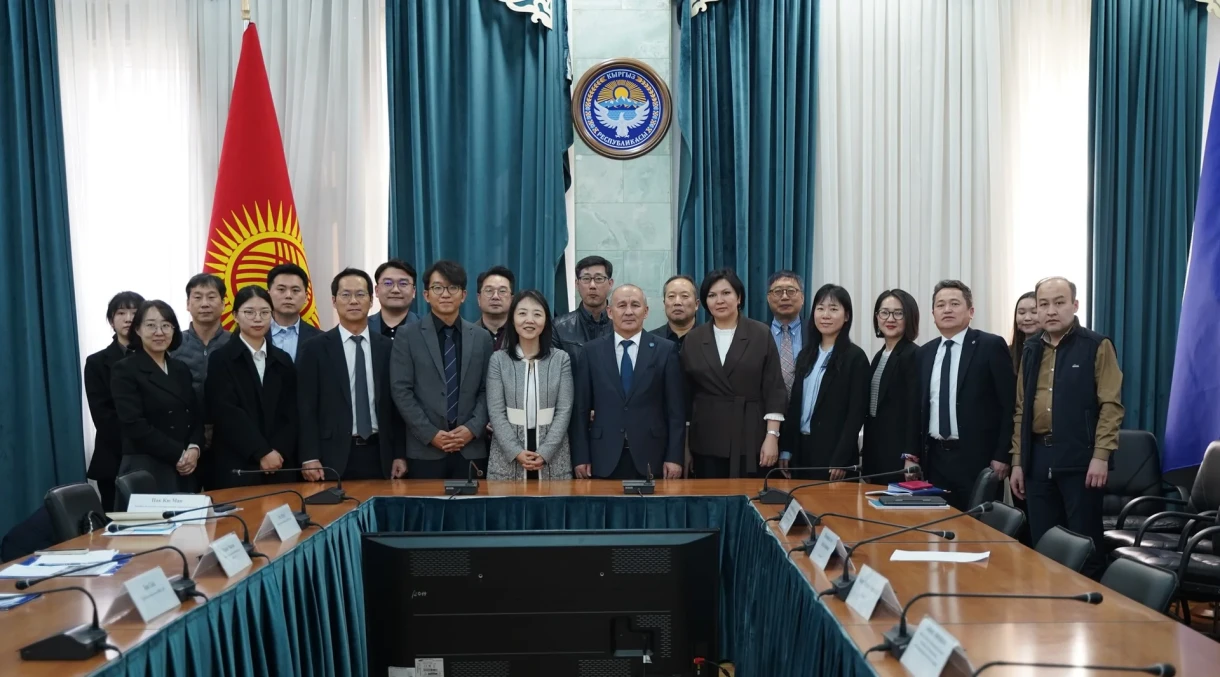
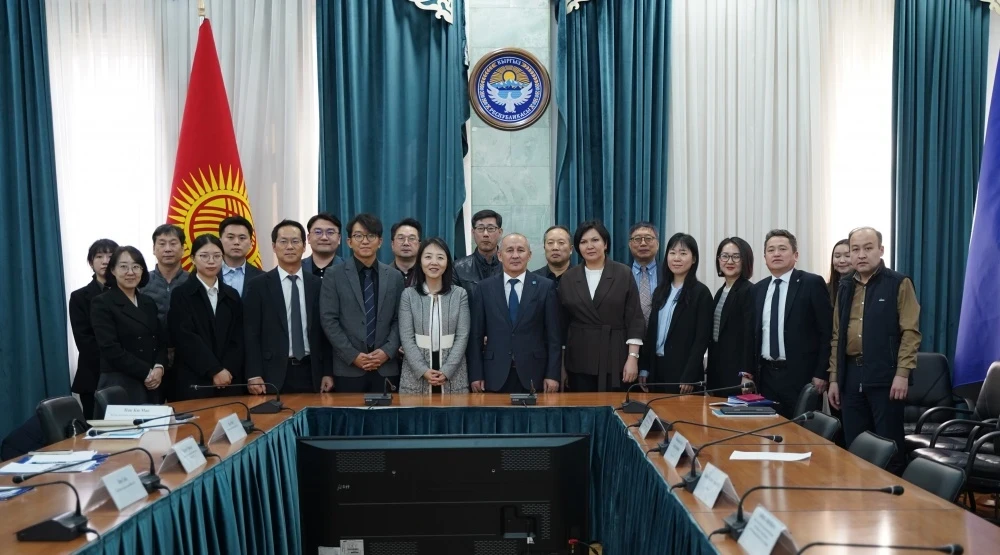
As part of international cooperation, with the support of the Korea International Cooperation Agency (KOICA), a project to improve air quality in the country is being implemented, costing 10 million US dollars, with a planned implementation period until 2028. Additionally, with the help of the World Bank, work is underway on a similar project costing 50 million dollars.
To improve climate policy, the Concept of Environmental Security was adopted by Presidential Decree No. 105, and the Concept of Achieving Carbon Neutrality was approved by Cabinet of Ministers Resolution No. 397. A project for the National Adaptation Plan is currently under development. A Coordinating Council on Ecology, Climate, and "Green" Economy has also been established, which approved the Third Nationally Determined Contribution and the National Inventory Report submitted to the UN Framework Convention on Climate Change Secretariat.
Kyrgyzstan actively participates in 12 international environmental conventions. The bill on joining the Vienna Conventions on Radiation Safety successfully passed its third reading in the Jogorku Kenesh. Eight international agreements have been signed with several countries, including Russia, Uzbekistan, Tajikistan, Korea, Japan, China, the United Kingdom, and the SCO. Currently, seven international projects are being implemented in the areas of air quality, biodiversity, and radiation safety, and technical and investment cooperation is ongoing with 17 countries within the framework of intergovernmental commissions.
To improve waste management, a state enterprise "Ekooperator" was established by Resolution No. 325. Within the framework of the extended producer responsibility mechanism, more than 74 million soms have been collected in the form of recycling fees.
At the local level, competitions for "The Cleanest City" and "The Cleanest Aiyl Aimak" are held. Nine cities and ten rural aiyl aimaks reached the finals, and the winners were provided with "Shumkar" garbage trucks, waste sorting lines, and specialized equipment.