This initiative was discussed at a meeting of the health committee in parliament, where deputies analyzed the current epidemiological situation in the country.
According to Torobekova, mandatory medical examinations would help prevent the transmission of infections between spouses. She cited the practice in Uzbekistan, where couples undergo tests for HIV and hepatitis before registering their marriage.
The deputy also noted the issue of migration, pointing to cases where men returning from abroad do not inform their partners about the presence of infections. This can lead to their infection. She emphasized that mandatory examinations could prevent such situations.
Supporting the initiative was lawyer Guliza Akmatsiyaeva, who provides legal assistance to Kyrgyz citizens facing serious infectious diseases in Russia.
Akmatsiyaeva noted to 24.kg that among migrants, denial of serious illnesses still occurs, and cases of HIV and syphilis are on the rise.
Photo from personal archive. Guliza Akmatsiyaeva
“I have long raised this issue. Medical examination before marriage is an important step. However, I view this issue in a broader context. Migrants returning home should undergo tests, as is done in Russia. Kyrgyzstan needs modern laboratories for this,” she added.
Expert Feruza Amadalieva also supported the initiative. With extensive experience working with HIV-positive individuals, she believes that mandatory examinations could be an important measure to protect the health of future families.
In her opinion, many diseases in Kyrgyzstan are detected too late, when people only seek medical help when symptoms appear. Premarital examinations could help in the early detection of infections, reproductive problems, and genetic risks.
“The idea of mandatory medical examinations before marriage is not new and is already applied in several countries, such as those in Central Asia, the Middle East, and Eastern Europe, as a preventive measure. Here, young couples only get tested before pregnancy, when it is already difficult to correct many issues,” she noted.
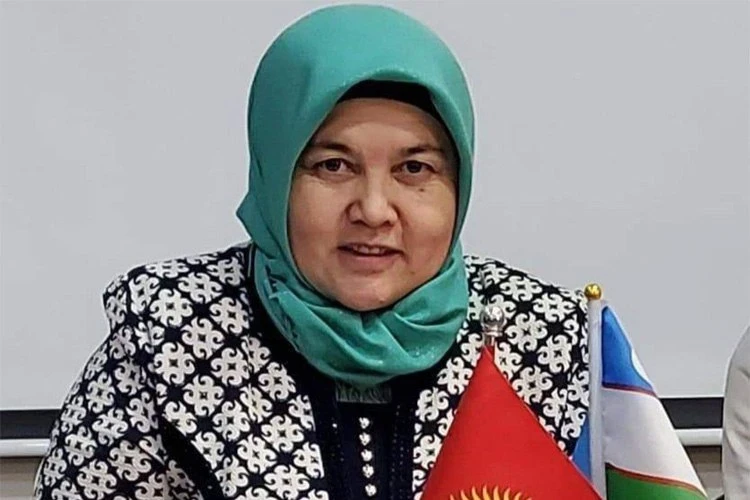
However, Feruza Amadalieva expressed concerns that in the context of Kyrgyzstan, medical examinations could become a tool for social pressure rather than just a medical measure. In a traditional society, the results of tests may become known to the entire family, which can negatively affect the woman, who is often blamed for fertility issues or "bad genetics."
The main goal of the initiative is to protect the family, not to control personal life. For the success of this idea, it is important to ensure anonymity and the absence of judgment in the process of medical explanation of results.
Feruza Amadalieva
Public health expert Bermet Baryktabasova is skeptical about this initiative, pointing out possible risks that may not be taken into account.
She noted that any coercive measures can cause anxiety, as they limit the right to choose. It would be more reasonable to require mandatory information and consultations rather than forcing examinations.
“Checking HIV and hepatitis status at health centers is not difficult. It is much more beneficial for the state to allocate funds for examinations now than to incur huge costs for treatment later. Moreover, testing should not be linked to marriage — it concerns everyone, regardless of age and gender. Additionally, a certificate only reflects the status at that moment and does not guarantee it in the future,” she emphasized.
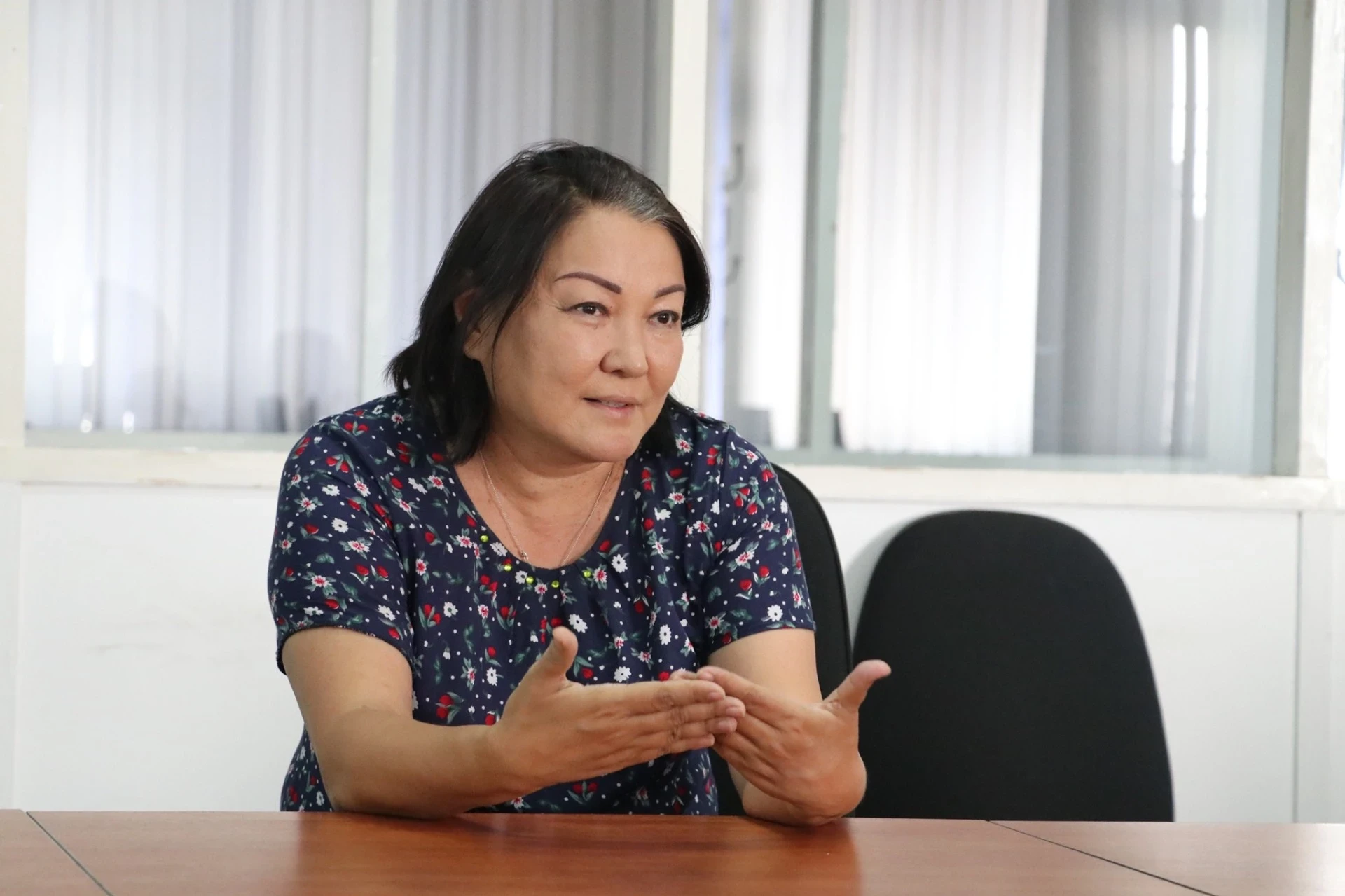
Bermet Baryktabasova, like Feruza Amadalieva, warns of the consequences of mandatory examinations, which could lead to discrimination and stigmatization. In small communities, the annulment of marriage based on test results could create certain rumors about the couple, negatively affecting their reputation.
Despite medical confidentiality, there is a risk of personal data leakage, and instead of the expected prevention, the initiative could turn into social pressure and an actual ban on marriage.
Although genetic aspects were not discussed in the initiative, experts emphasize the importance of congenital diseases. Bermet Baryktabasova pointed out that in Kyrgyzstan, the prevention of such pathologies mainly begins during pregnancy, when deviations are detected through ultrasound or clinical signs.
Genetic testing is important for couples in consanguineous marriages, which is often seen in the southern part of the country. If both spouses are carriers of the recessive gene for spinal muscular atrophy, the risk of having a child with the disease is 25%. Treatment for such diseases is extremely expensive, with the cost of one medication reaching 2.5 million dollars, and annual therapy can cost 50 thousand dollars.
The expert also notes that the readiness of the healthcare system for mass genetic screening has not been assessed.
Basic genetic tests cost 10–15 thousand soms, while more complex studies can reach 180–200 thousand soms per couple. In Bermet Baryktabasova's opinion, these are too high costs for mandatory application, especially when even basic medical services are not fully accessible.
The Ministry of Health, in its comment to 24.kg, noted that it supports the development of voluntary counseling and examination practices aimed at informing citizens about their health status and potential risks for future families. The agency emphasized that turning such examinations into mandatory ones requires additional legal and interdepartmental analysis, taking into account the norms of legislation that protect citizens' rights and personal data.
Read more on the topic
HIV testing before marriage may be introduced in Kyrgyzstan
“The Ministry of Health is ready to participate in the discussion of the initiative and offer expert recommendations on medical aspects within its authority,” the agency added.
This is not the first attempt to introduce mandatory medical examinations before marriage in Kyrgyzstan: similar proposals were made in 2018 with the aim of protecting brides from hidden infections, but they did not receive approval at that time.
Currently, Article 16 of the Family Code guarantees that examinations are conducted exclusively on a voluntary basis and with respect for confidentiality, leaving the right to disclose the diagnosis solely to the patient.
Article 16. Medical examination of persons entering into marriage
1. Medical examination of persons entering into marriage, counseling on medical-genetic issues, and family planning are conducted by healthcare institutions at their place of residence free of charge and only with the consent of the persons entering into marriage.
2. The results of the examination of a person entering into marriage constitute medical confidentiality and may be communicated to the person with whom they intend to marry only with the consent of the person who underwent the examination.
3. If one of the persons entering into marriage concealed from the other the presence of a venereal disease or HIV infection, the latter has the right to apply to the court for the annulment of the marriage.