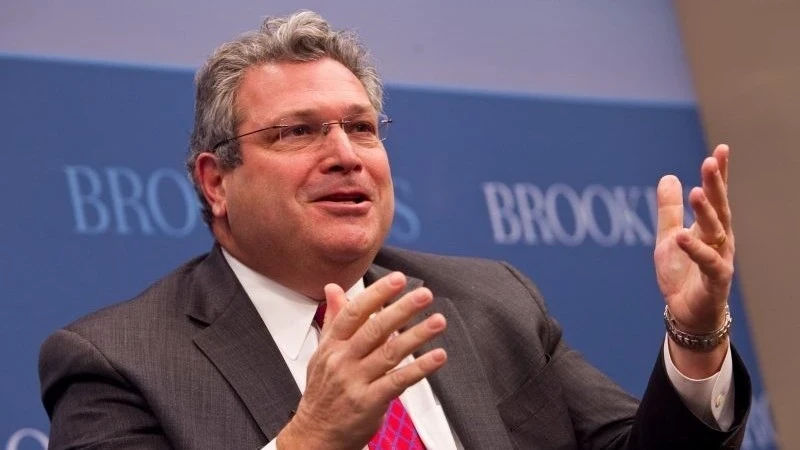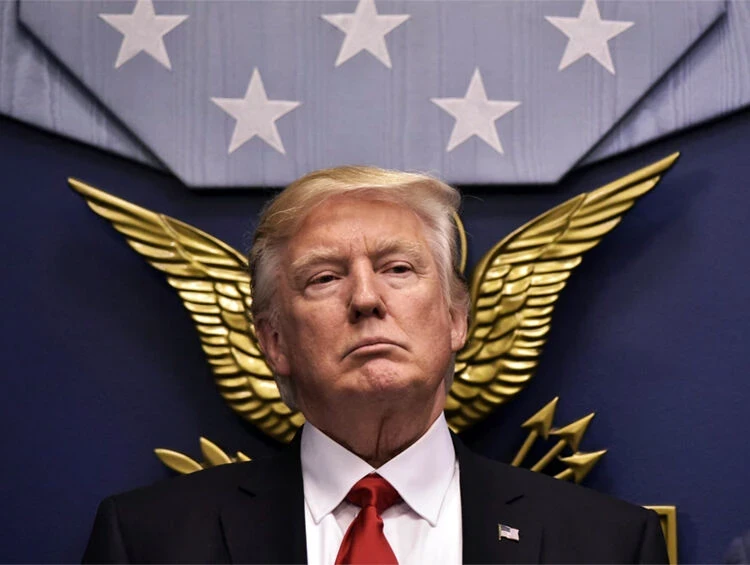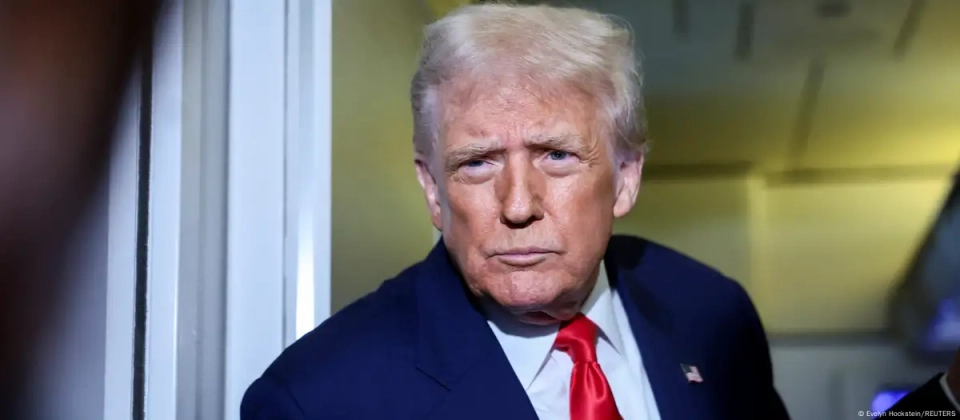
According to Keegan, by 2026, Donald Trump will be able to completely dismantle the liberal world order that the United States has built over the past eighty years. He claims that American influence was based not only on military power but also on a "great deal," which involved Washington providing security to its allies in exchange for their loyalty and absence of aggressive intentions. However, this era has come to an end. Trump has decided to abandon the role of global arbiter, considering it too costly and unbeneficial for the country.
This decision, he says, will lead to a return to a multipolar system similar to that which existed in the 19th century. Keegan reminds us that during periods of "balance of power" among great powers, local wars and fierce struggles for influence and territory always occurred. The world that formed after 1945 was an attempt to avoid this bloody cycle. At that time, the United States did not use its partners as direct resources but connected them through investments and alliances, restraining aggression from regional players. Now, with the rules being violated by America itself, countries like Germany, Japan, Poland, and South Korea will be forced to undertake large-scale rearmament and fight for their survival independently.
Keegan emphasizes that modern Western society, accustomed to long years of stability under the protection of the U.S., is not prepared for new conditions. Competition for markets is turning into military confrontations for resources and spheres of influence. Small states will face a choice: either submit or go to war. According to Keegan, by undermining the moral authority of the U.S. and trust among allies, Trump is turning the country from a leader of the free world into an international pariah. While Americans previously thought that maintaining global stability was costly, in the new, fragmented world, the price of life will become unbearable.