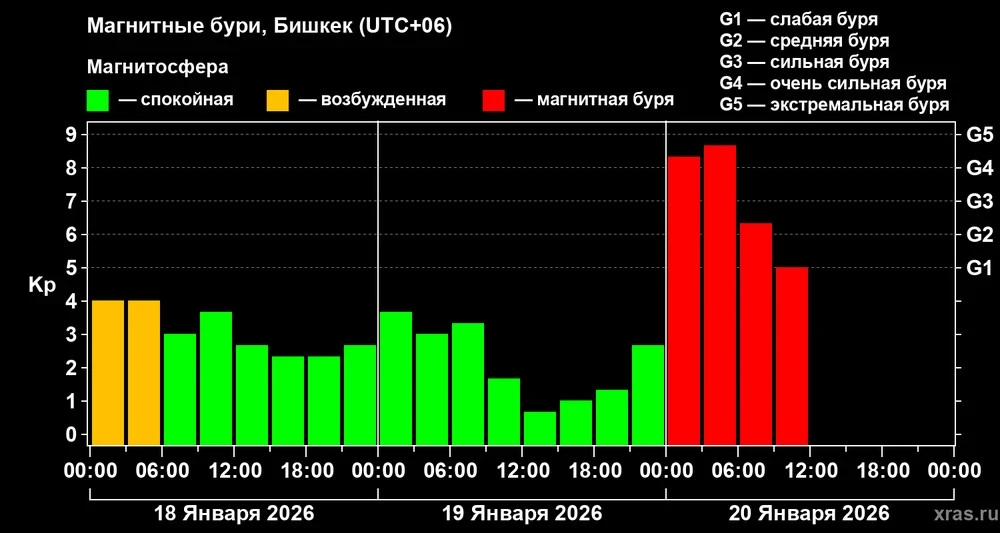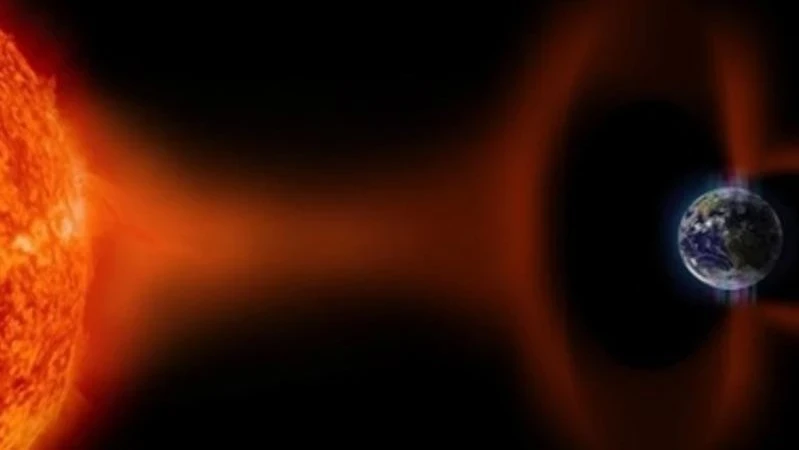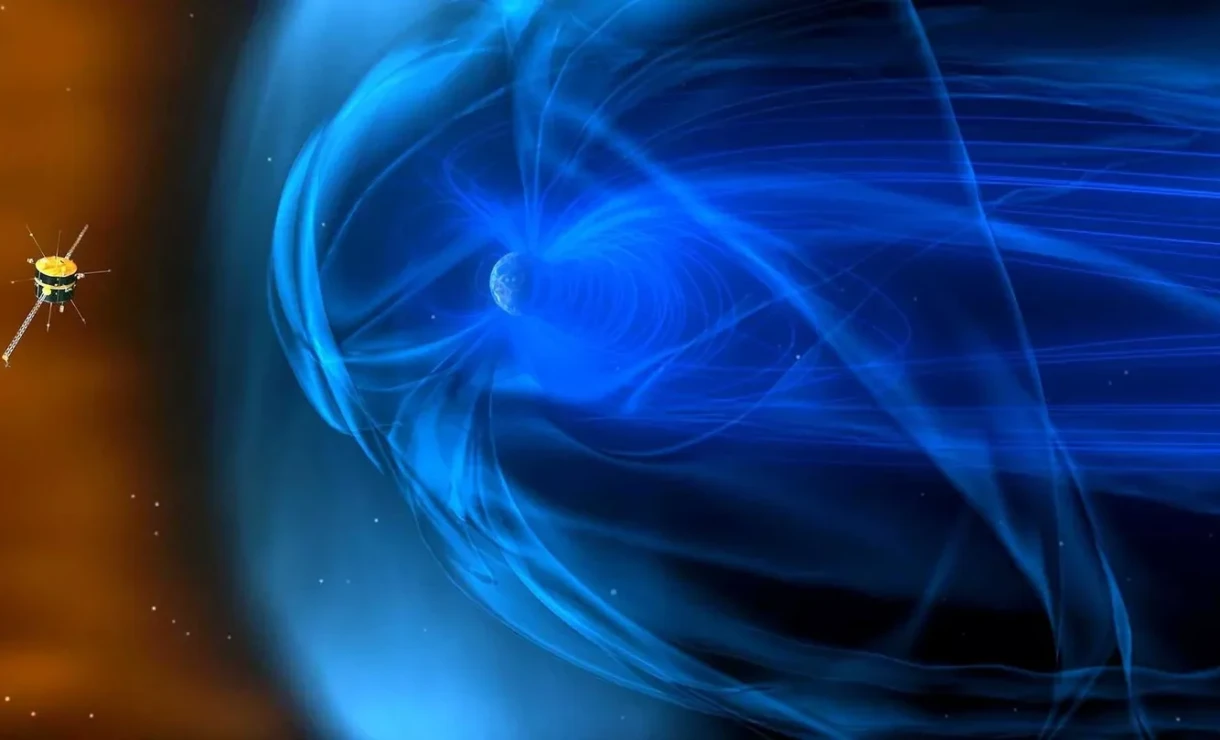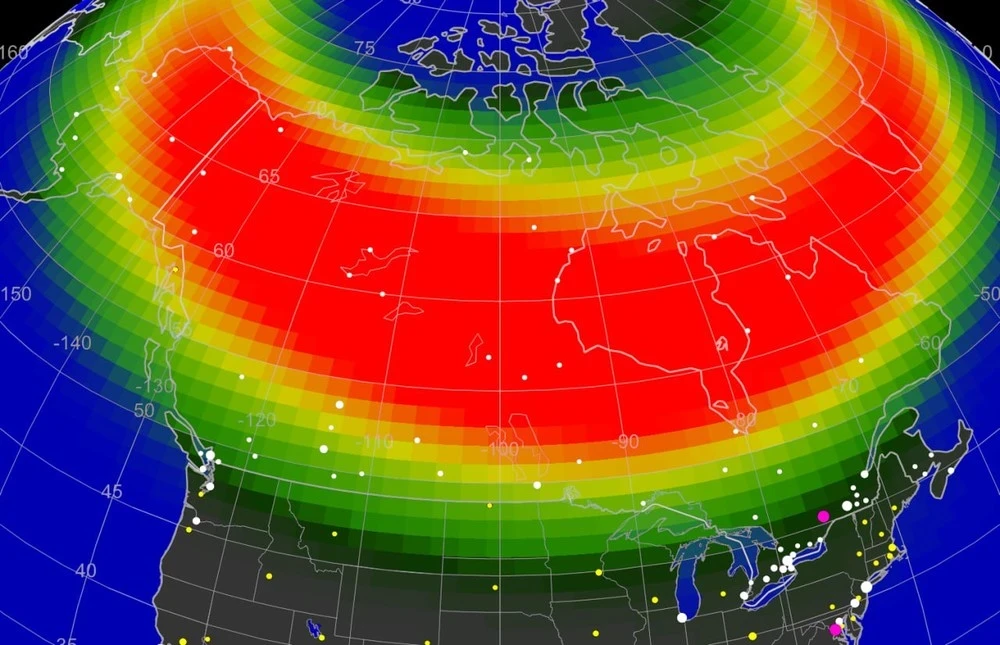
Researchers explained that these phenomena are a result of the magnetosphere's reaction to high solar activity observed since the beginning of the month. "Magnetic storms do not have one clearly defined cause; they are a general manifestation of the Earth's magnetosphere against the backdrop of extremely high solar activity," the message from IKI RAN emphasizes.
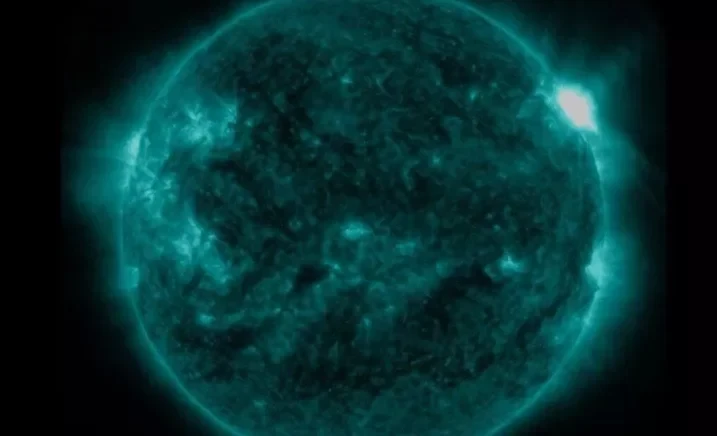
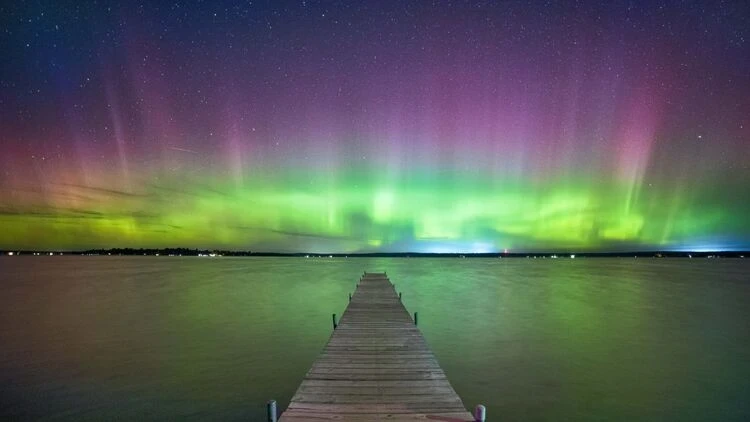
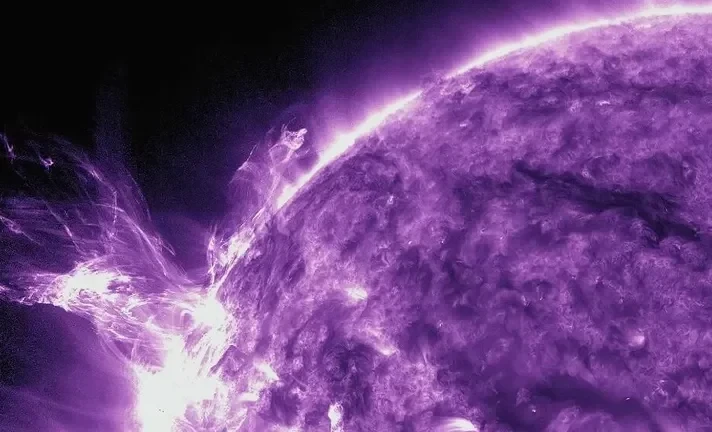
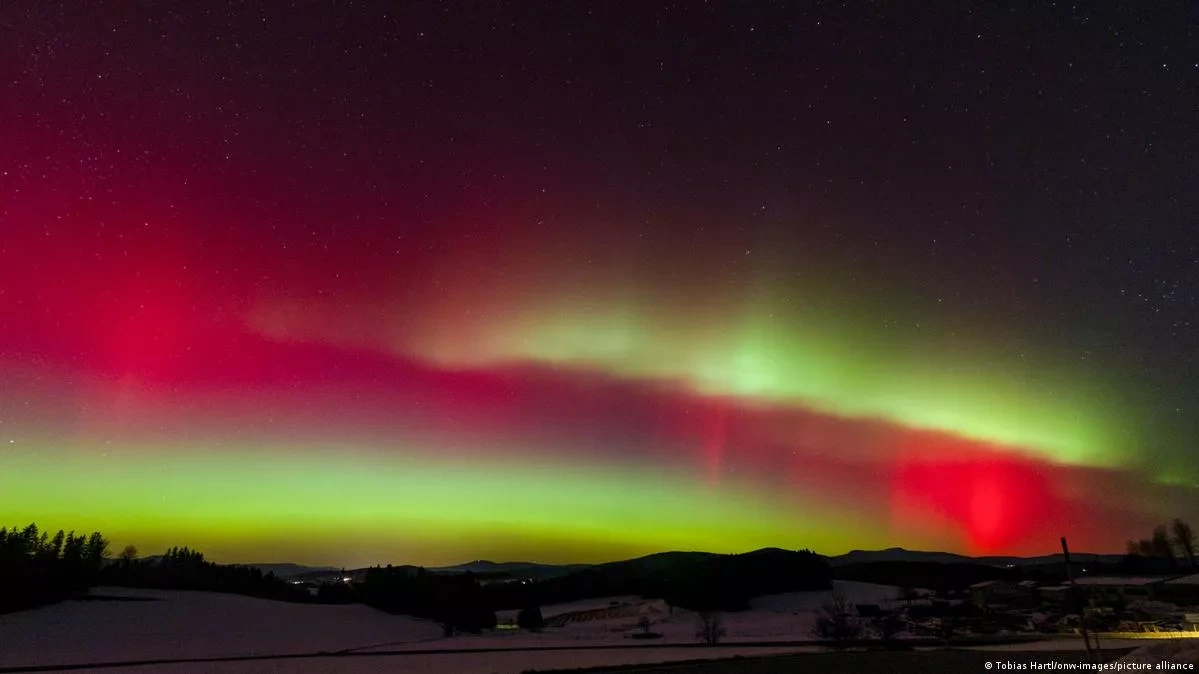
The trigger for the storms was the arrival of a plasma cloud ejected on February 2 during the most powerful solar flare of class X8.1 that occurred in the last year and a half. Bright auroras are being observed in the western hemisphere, and according to scientists' forecasts, the situation in the European part of Russia will clear up soon.
On February 3, a high-category X flare occurred on the Sun, rated at X1.5.
This flare was the fourth X-class flare since the beginning of 2026, and the flare on February 2 became the third most powerful in the current 25th solar cycle, which is characterized by periodic changes in solar activity, averaging 11 years in duration.
- Magnetic storms are classified on a G scale, where levels range from G1 to G5. G1 is considered weak and may cause slight fluctuations in the operation of power systems and radio communications. Levels G2 and G3 refer to moderate and strong storms, capable of causing disruptions in navigation, radio communications, and satellite operations. Levels G4 and G5 are considered extreme and can significantly impact infrastructure and technology.