According to the explanatory note to the agreement, its implementation will contribute to strengthening bilateral ties between the states. The document emphasizes that fulfilling its conditions will not lead to negative socio-economic consequences and will not affect the achievement of tasks set by state programs in Russia.
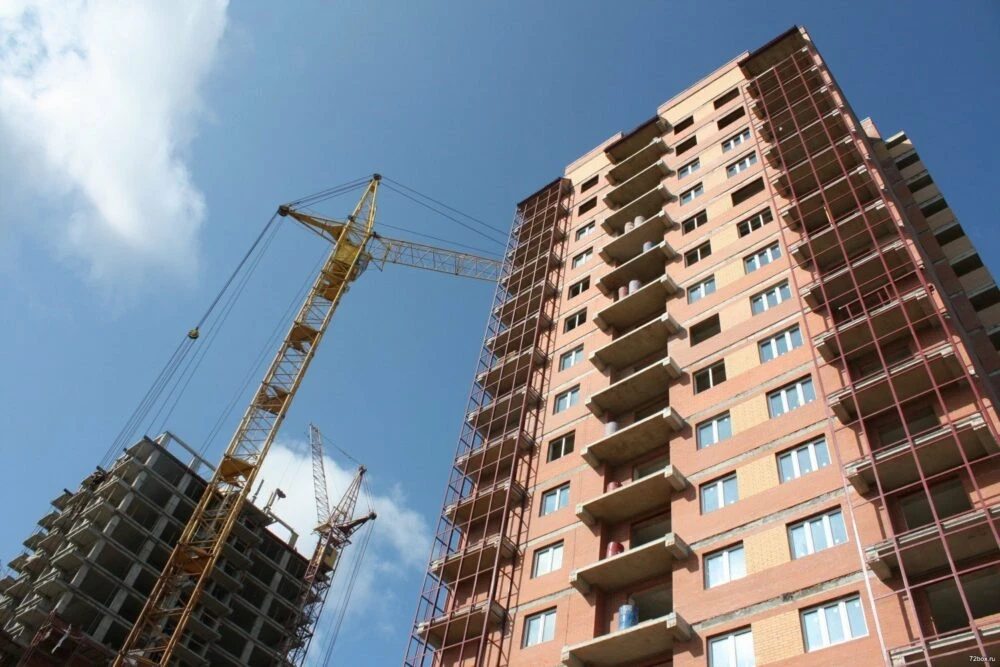
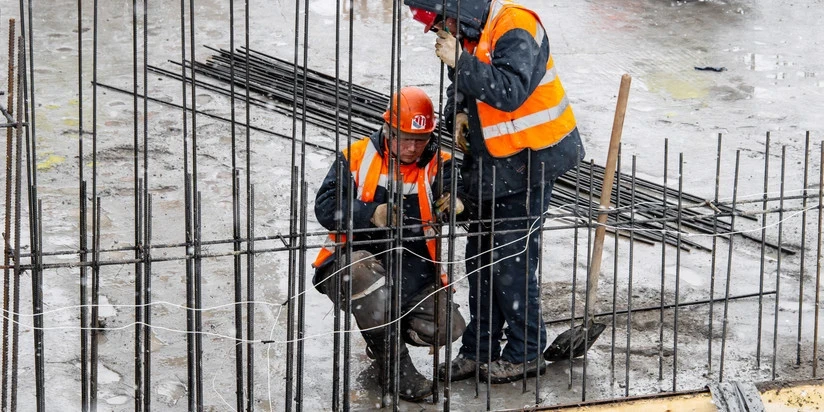
According to Vladimir Putin, there are currently more than one million citizens of Tajikistan living in the Russian Federation, which accounts for about 10% of the republic's population. Experts from RANEPA cite a figure of 3 million. The President noted that labor migrants from Tajikistan make a significant contribution to construction, utilities, transport, and logistics, and the state aims to provide them with decent working conditions and social protection.
The Ministry of Health of Russia reported that medical examinations of Tajik labor migrants will be conducted at one of the medical institutions in Dushanbe. After arriving in Russia, repeated medical examinations will not be necessary. The authorized organization will be responsible for the results of its work in accordance with Russian legislation. Tajikistan will exempt this organization from customs duties and taxes on goods and services, and will not require licenses for medical activities.
In addition, Tajikistan will provide access to information systems and databases containing information on cases of HIV, hepatitis, tuberculosis, and sexually transmitted infections, as well as on narcotic and psychotropic substances.