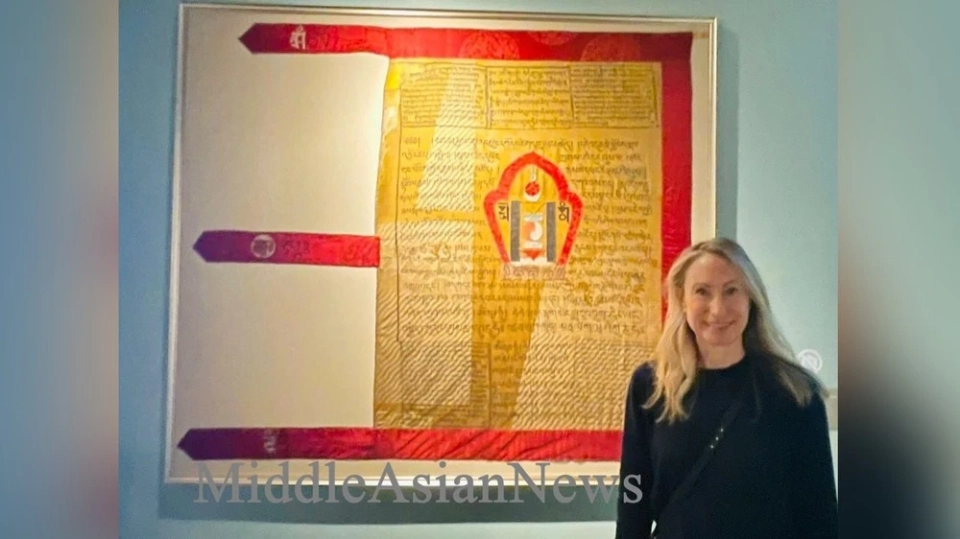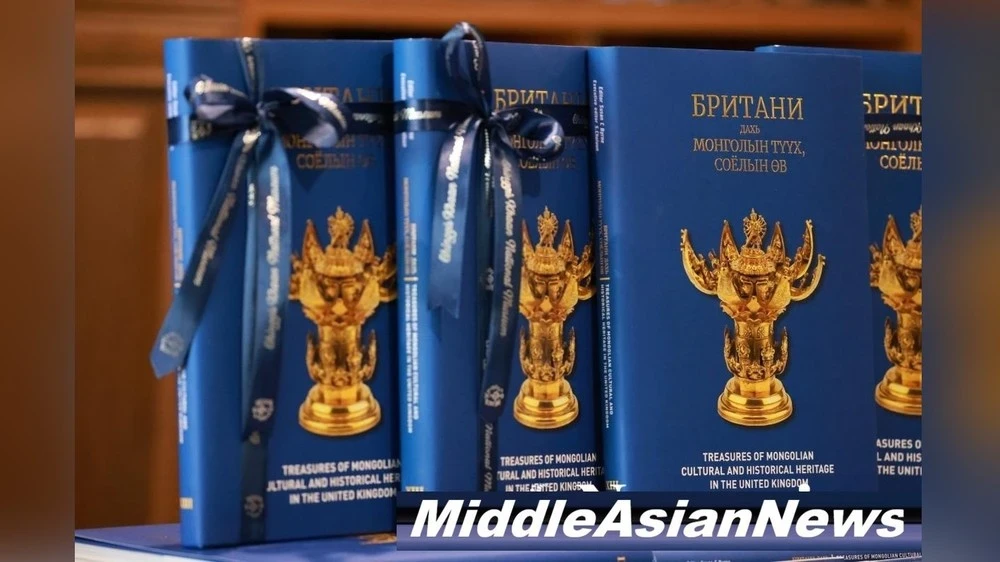
This secret letter became public thanks to its publication in the book "Mongolian Historical and Cultural Heritage in Great Britain".
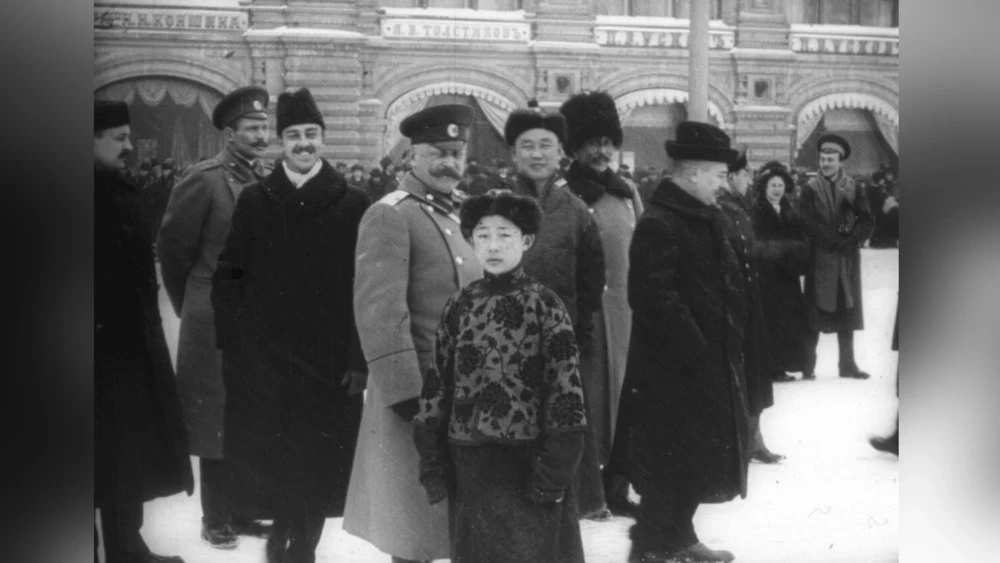
According to MiddleAsanNews, in 1913, Chinggisid and Prime Minister Sain Noyon Khan Namnansüren Togsochir spent three months in Russia, striving to achieve recognition of Mongolia's independence, which turned out to be a real challenge.
This was the longest official visit of Mongolia in the early 20th century, and during the trip to St. Petersburg, the most meetings with Russian officials took place.
Namnansüren Togsochir had two meetings with Tsar Nicholas II, as well as met with the speakers of both chambers of the State Duma and 11 ministers.
During this visit, Namnansüren addressed King George V with a request to support the recognition of Mongolia's independence, which is published here for the first time in full in the book "Mongolian Historical and Cultural Heritage in Great Britain".
It is unclear how Namnansüren managed to send the letter under strict control from Russia, and this question became a topic of discussion at the book presentation, opening new perspectives for research work.
Reference
Sain Noyon Khan Namnansüren is a descendant of Genghis Khan through his younger son Tolui.
Namnansüren Togsochir, also known as Namnansüren Shirin-damba (1878 – April 1919), was the penultimate Sain Noyon Khan, a Chinggisid, and the first Prime Minister of Autonomous Mongolia, and after the abolition of this position in 1915, he became the Minister of War.
In July 1911, Namnansüren was part of the delegation sent by Bogdo-gegeen VIII to St. Petersburg to seek support from the Russian Empire after the proclamation of Mongolia's independence.
George V was the King of the United Kingdom of Great Britain and Ireland, as well as the United Kingdom of Great Britain and Northern Ireland from May 6, 1910, until his death; he was the second son of the Prince and Princess of Wales (later Edward VII and Queen Alexandra) and belonged to the House of Saxe-Coburg and Gotha, becoming a representative of the House of Windsor from 1917.