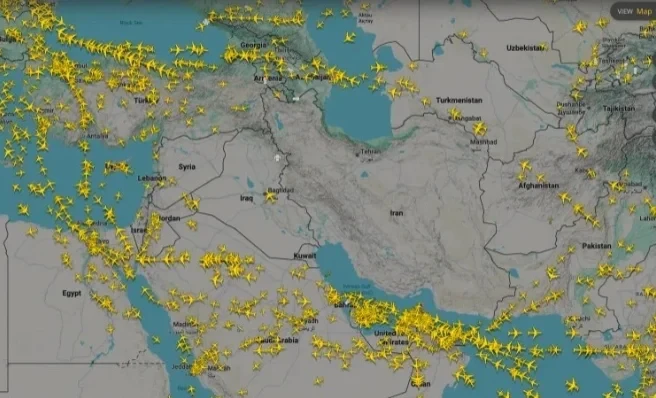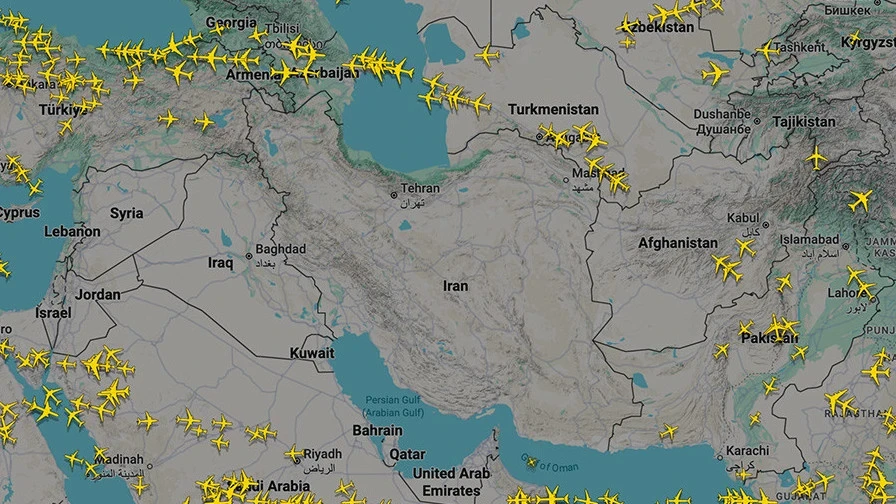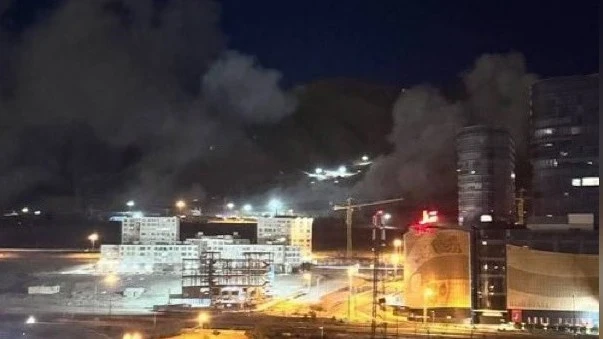
As part of this initiative, all airlines operating flights to the specified countries are expected to participate. In particular, Uzbekistan Airways, Centrum Air, Qanot Sharq, and Fly Khiva will be involved in the evacuation efforts. Flights to the Middle East will be conducted without passengers, while the return flights are planned to bring back the maximum number of Uzbeks.
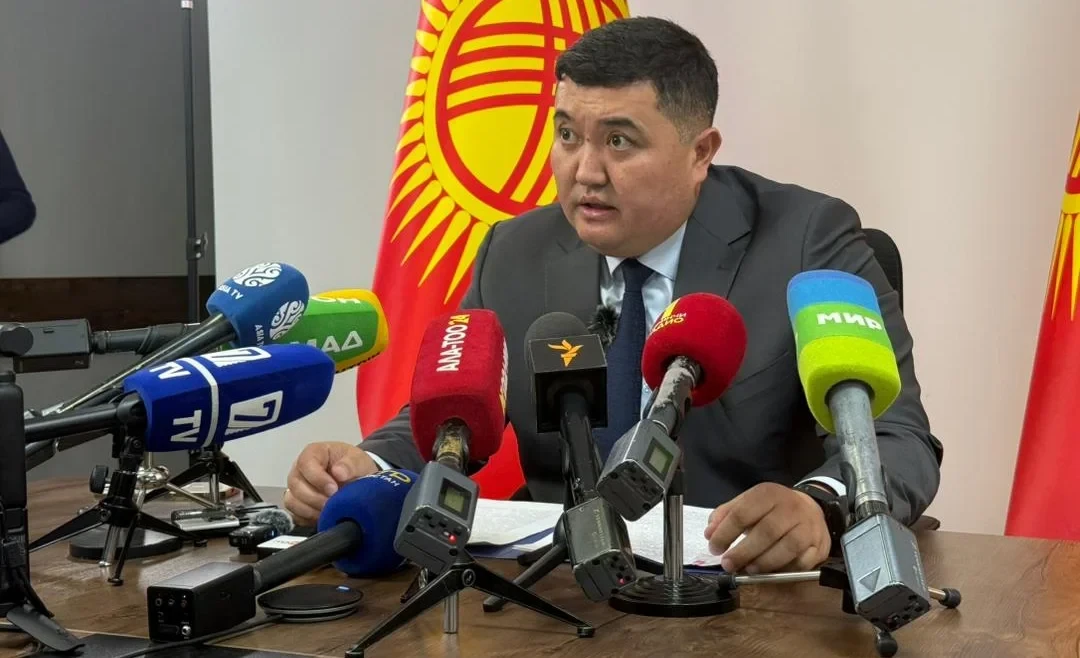
Aripov also instructed the Ministry of Foreign Affairs to negotiate with the diplomatic representatives of the countries to coordinate the details of the evacuation and ensure the safety of the flights.
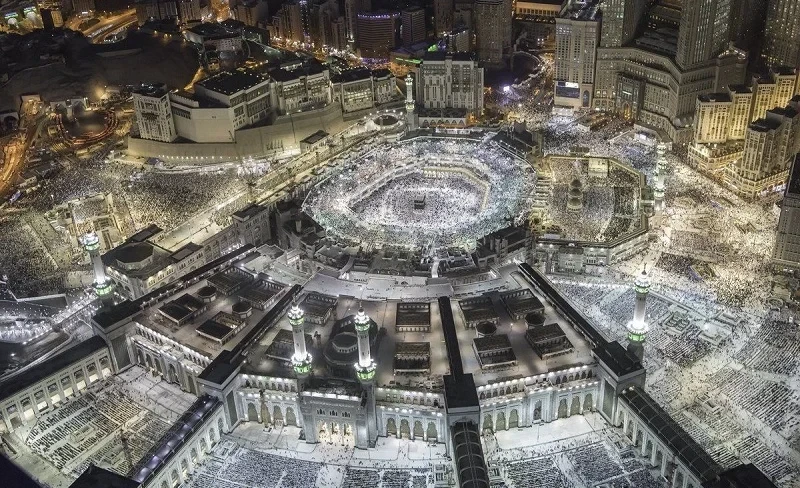
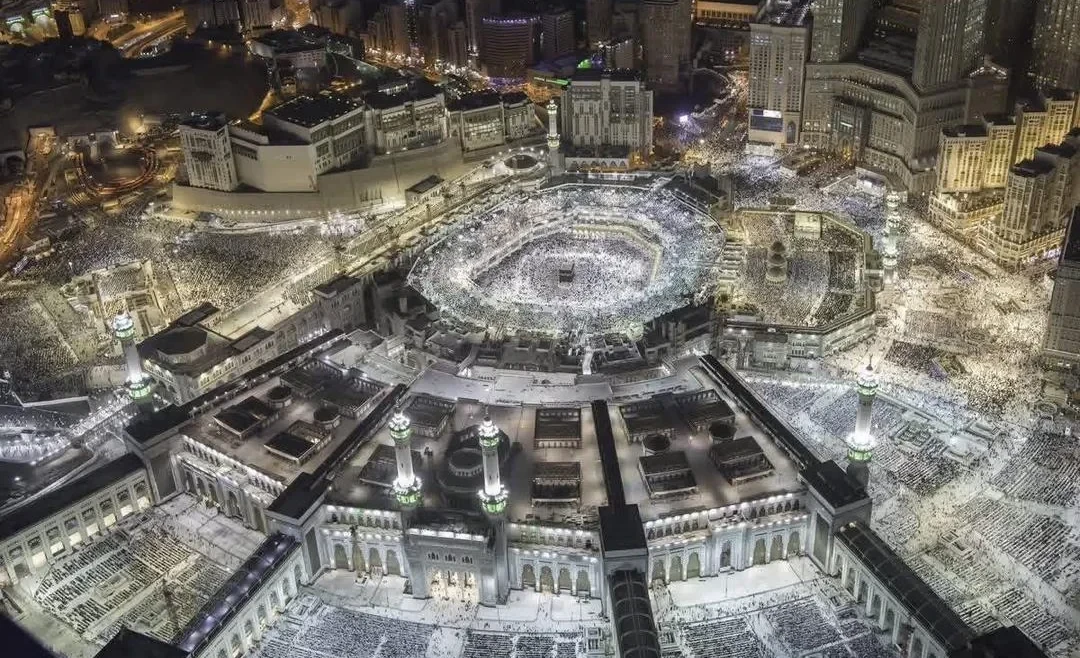
According to preliminary estimates by Uzbek authorities, more than 1,000 citizens of Uzbekistan are in Saudi Arabia for Umrah (minor pilgrimage). Additionally, a large number of compatriots are stranded in the UAE due to the cancellation of air travel.
It is worth noting that on March 2, it became known that trips for Umrah organized by the Muslim Administration of Uzbekistan and tour operators were suspended due to the worsening situation in the Middle East. The date for the resumption of flights will be announced later.
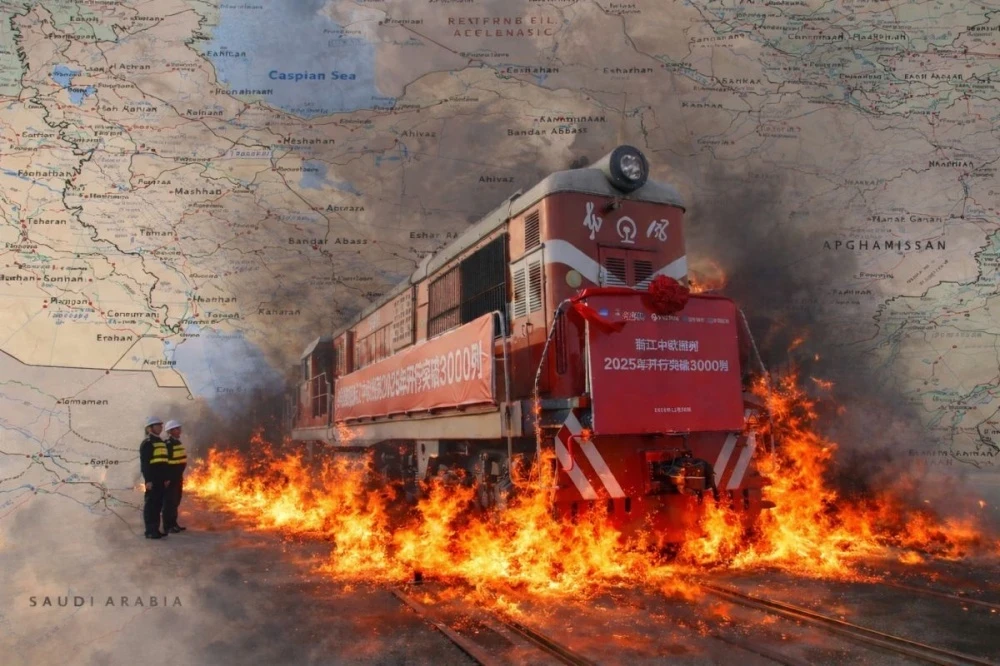
Furthermore, the Prime Minister instructed the Ministry of Transport to consider alternative transport corridors for foreign economic transactions. This is necessary as Uzbekistan has actively used routes through Iranian seaports, which accounted for up to 60% of cargo coming from Turkey and Europe.
Last year, considering the tensions in the Middle East, authorities already analyzed other options for transporting goods. For example, routes through Turkmenistan — Azerbaijan — Georgia — Europe, as well as Uzbekistan — Kyrgyzstan — China and Uzbekistan — Afghanistan — Pakistan were proposed.
The backdrop of escalating conflict in the Middle East has prompted reactions from Central Asian republics. Kazakhstan, Kyrgyzstan, Tajikistan, and Uzbekistan (the position of Turkmenistan remains unknown) issued official statements expressing concern over the new wave of tensions and calling for a ceasefire and a diplomatic resolution to issues in accordance with international law.
Kazakhstan went further, with President Kassym-Jomart Tokayev instructing relevant agencies to develop an emergency action plan to prevent destabilization within the country. In this regard, security forces have been put on round-the-clock duty.
Starting from the morning of February 28, joint attacks by Israel and the USA on Iran became the largest military escalation in recent years. Israel announced a "preventive strike," while Washington confirmed its participation, stating that the goal of the operation is to neutralize threats related to Iran's nuclear and missile programs. In response, the Islamic Republic carried out strikes on Israeli territory and other Middle Eastern countries where US military bases are located.