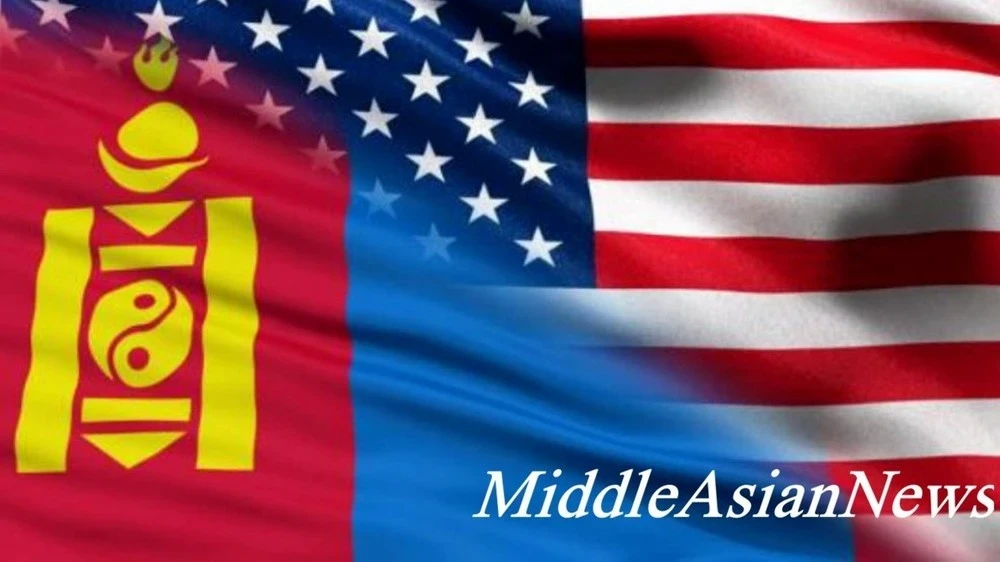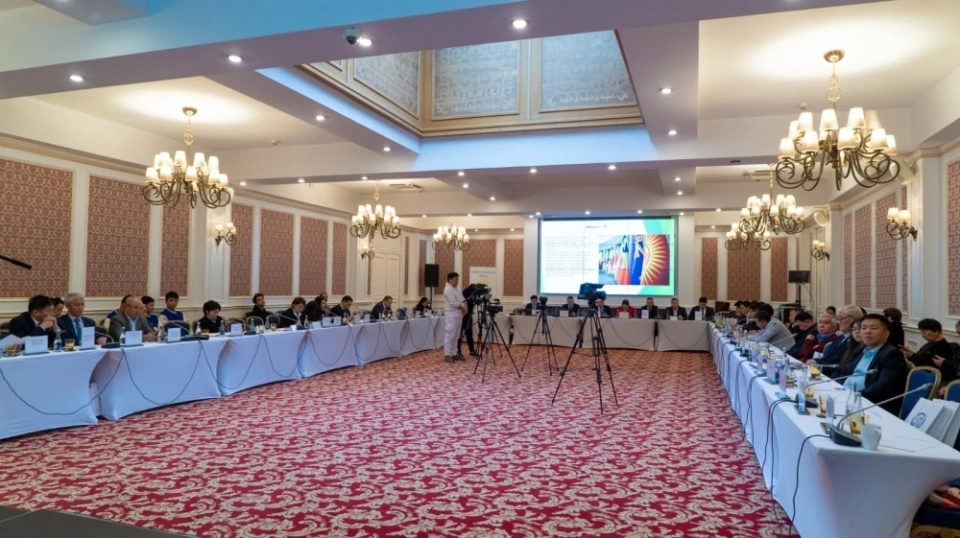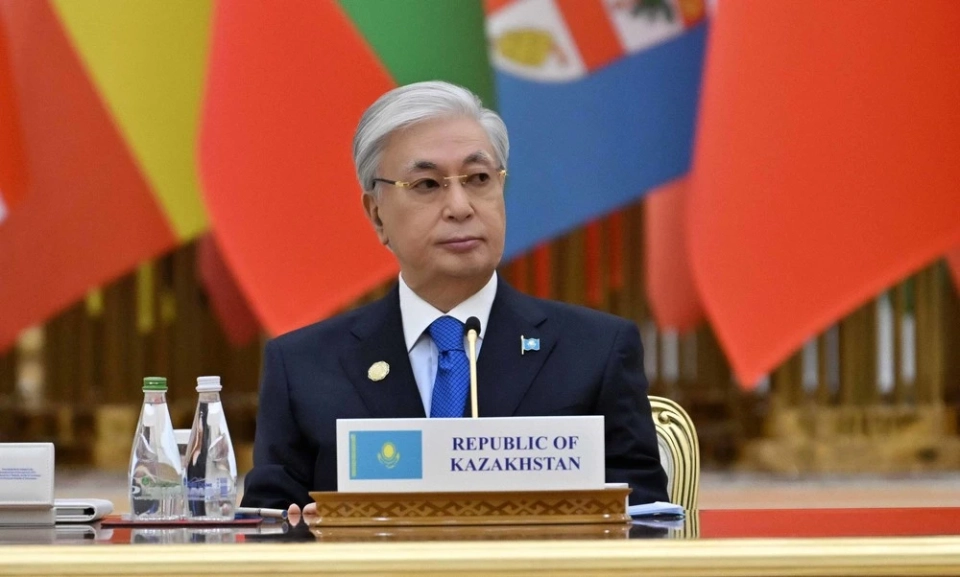
The Government of Mongolia approved a draft agreement for a grant to be signed between the Government of Mongolia, the Civil Aviation Authority, and the Government of the USA, as well as the U.S. Trade and Development Agency.
In 2023, an Air Transport Agreement was signed between Mongolia and the United States, creating the legal framework for launching direct flights between the two countries.
To launch direct flights, Mongolia must undergo an International Aviation Safety Assessment (IASA), conducted by the Federal Aviation Administration (FAA) of the USA, as well as a safety assessment performed by the Transportation Security Administration.
As part of the preparations for launching direct flights, the Civil Aviation Authority of Mongolia held a tender and signed a contract in 2024 with the American company The Wicks Group Consulting, which will provide consulting services for the IASA assessment.
Currently, recommendations obtained during the consulting services are being implemented in civil aviation. Negotiations are underway for funding the second phase of consulting services from USTDA for final preparations for the IASA assessment.
The signing of the grant agreement is expected soon. After that, it will be possible to conclude a consulting contract between the Civil Aviation Authority of Mongolia and The Wicks Group Consulting, which will allow work to begin.
In May 2023, the national carrier MIAT received two 787-9 /DREAMLINER/ aircraft intended for direct flights to the USA.
The IASA program, established by the Federal Aviation Administration (FAA) in 1992, serves to assess the ability of national civil aviation authorities to comply with international safety standards and recommended practices for the licensing and operation of aircraft.
According to the Chicago Convention, regulatory authorities of any country are required to oversee the air carriers operating within their territory. These international standards are established by the International Civil Aviation Organization (ICAO), a technical agency of the UN.
History of the IASA Program
Following the crash of Avianca Flight 52 on Long Island on January 25, 1990, serious questions arose about the FAA's oversight of the safety of foreign air carriers operating flights to the USA. In response to a Newsday article in December 1990 regarding the low safety records of some foreign airlines, the FAA established the IASA program in 1992.
IASA Category Ratings
After conducting an IASA audit, each country is assigned one of two possible ratings:
Category 1 (Meets ICAO standards): The FAA has determined that the country's civil aviation authority issues licenses to aviation personnel and oversees the activities of air carriers in accordance with ICAO international safety standards;
Category 2 (Does not meet ICAO standards): The FAA has concluded that the country's civil aviation authority does not oversee the safety of its air carriers in accordance with ICAO minimum standards.
Air carriers from Category 2 countries may continue to operate flights to the USA, but they cannot expand their operations or enter into code-sharing agreements with American carriers. Additionally, such companies may be subject to more stringent ramp checks.