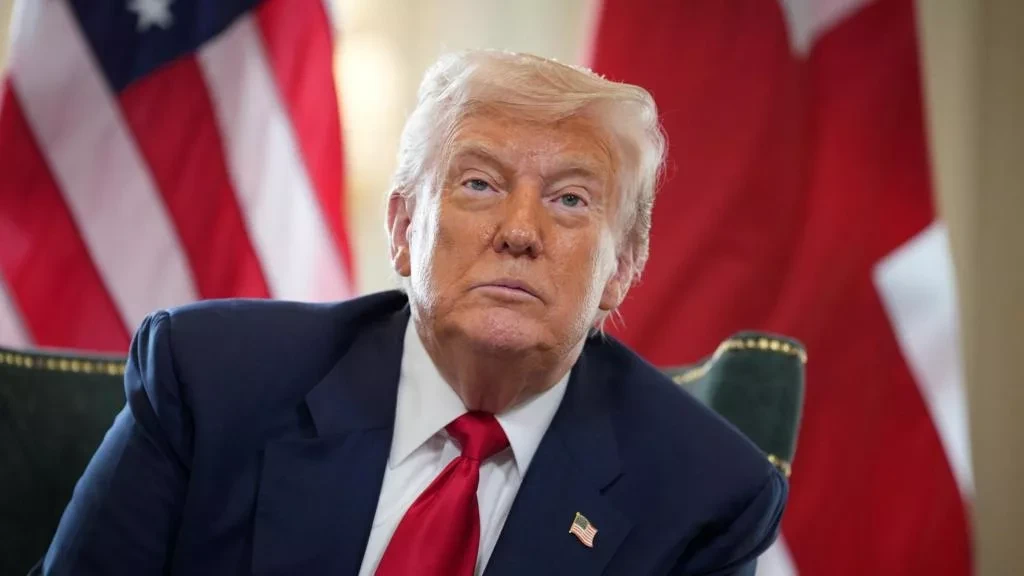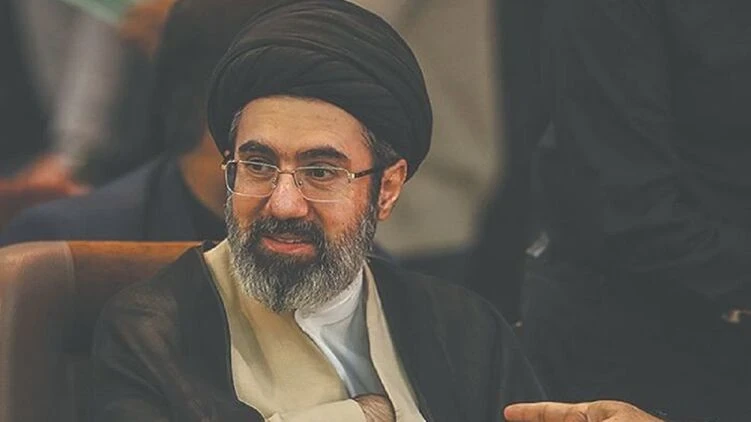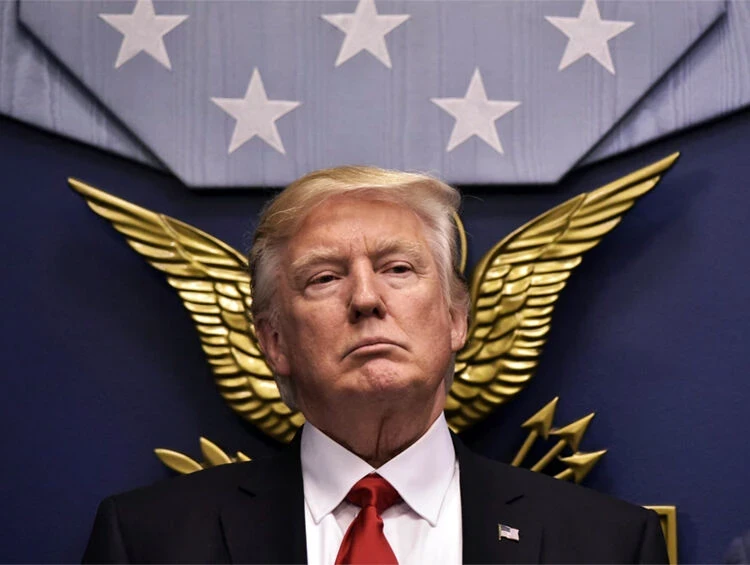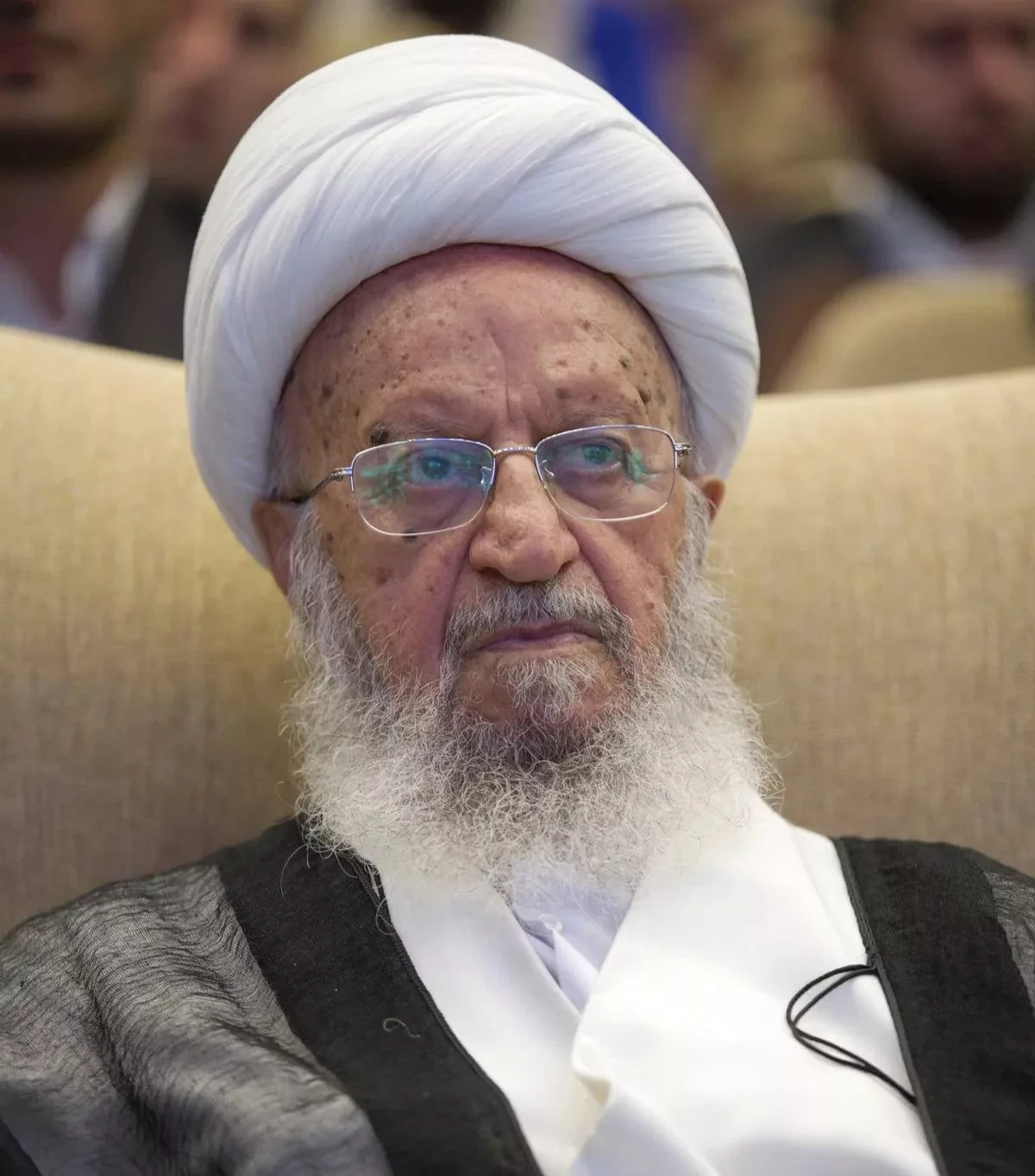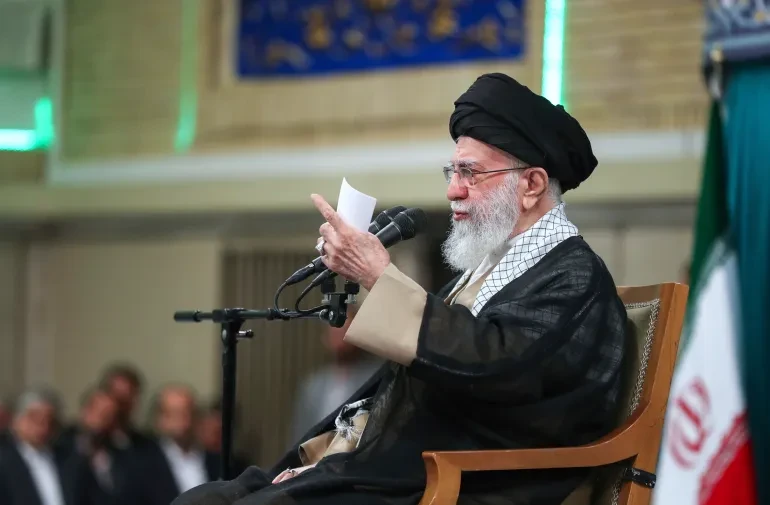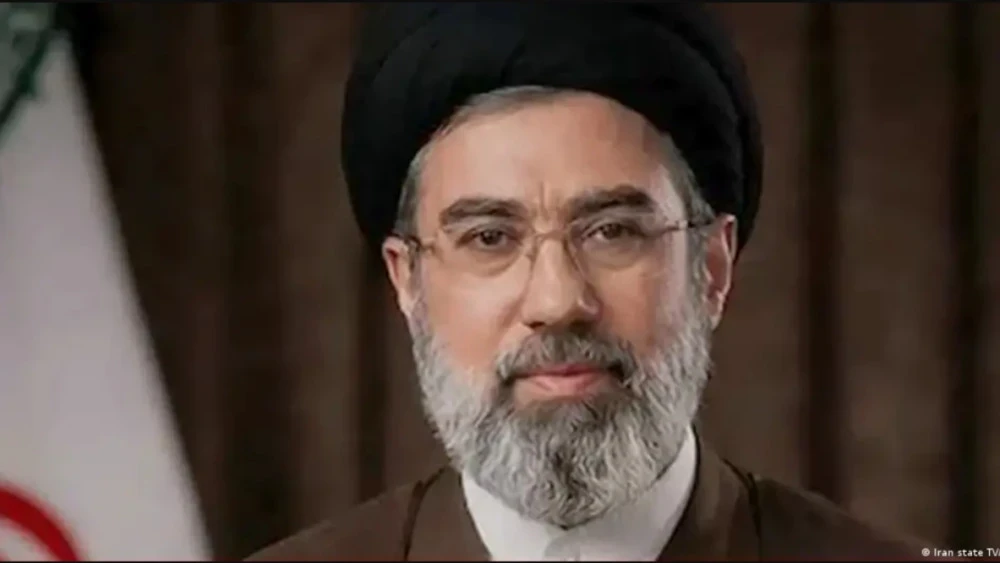
The appointment of Mojtaba Khamenei confirms that a shift towards a hardline stance has occurred in Iran, with moderate factions pushed to the background. According to reports, Tehran intends to continue its struggle against the US and Israel, and the new leader will adhere to a confrontational approach. Moreover, he has experienced personal tragedy with the loss of loved ones due to the recent conflict. Donald Trump has already expressed his dislike for the new leader, calling him "unacceptable." However, the appointment of a conservative with ties to the Islamic Revolutionary Guard Corps (IRGC) demonstrates that Trump's attempts to pressure the Iranian regime into submission have so far been unsuccessful, as noted by The Wall Street Journal. Khamenei's rise to power "means the continuation of the previous strategy – internal repression and resistance on the international stage," comments Sanam Vakil, director of the Middle East and North Africa program at Chatham House.
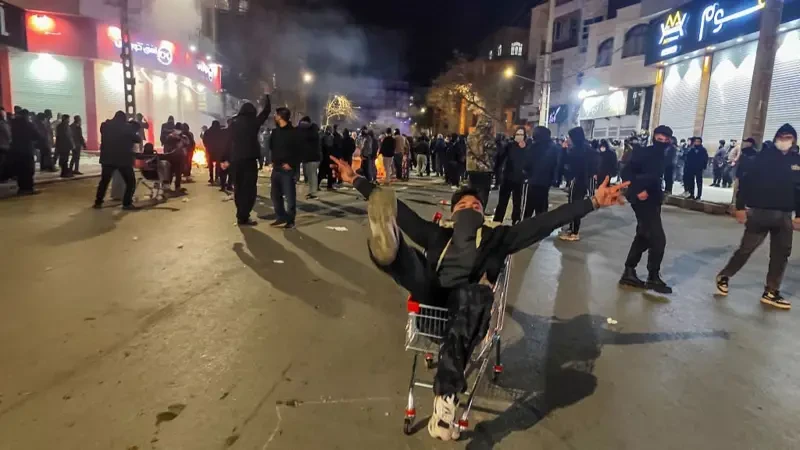
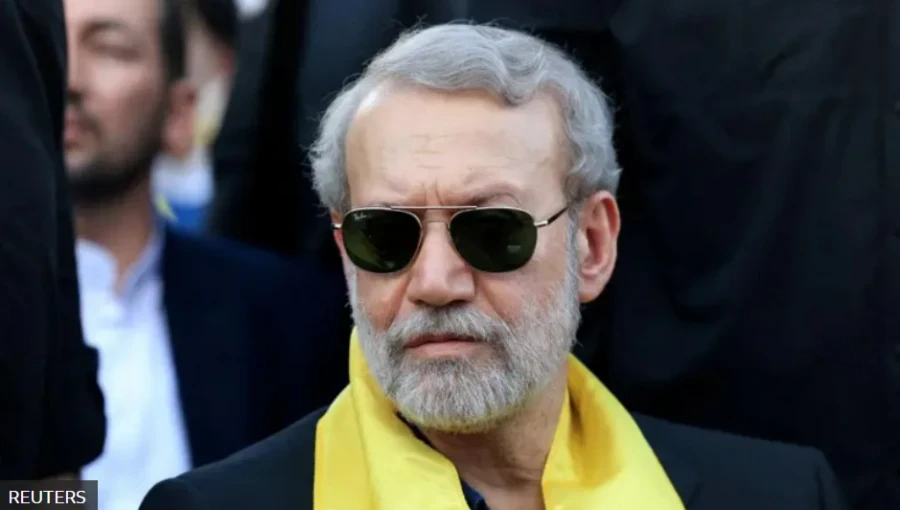
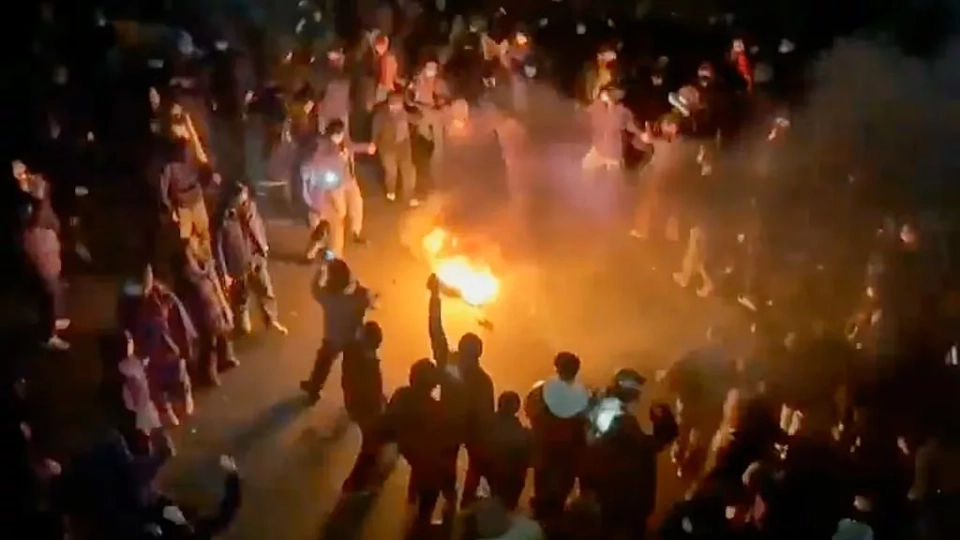
A key figure in the current confrontation has become Ali Larijani, who is responsible for national security and, according to Iranian, Arab, and European sources, coordinates Iran's responses to US and Israeli airstrikes. He is also monitoring the situation to prevent new protests in the country and previously led harsh measures against demonstrators, resulting in numerous casualties, as reported by WSJ.
Larijani stated that Trump must "pay" for his actions against Iran.
Although Trump called the new Supreme Leader a "wimp," according to Kasra Aarabi from the organization United Against Nuclear Iran, Khamenei has significant support within the IRGC, especially among the young radical generation. His influence began to grow with the Iranian presidential elections in 2005, when he helped Mahmoud Ahmadinejad win, who was less known compared to reformist Ali Rafsanjani. Subsequent elections, in which Ahmadinejad won again, were accompanied by mass protests and allegations of fraud. At that time, people protested against the possible appointment of Mojtaba to the position of Supreme Leader.
The announcement of the new leader's appointment, despite Trump's and Israel's threats, confirms that the Iranian leadership is not planning to surrender. This opinion was expressed by Vali Nasr, a former US official now working at Johns Hopkins University (quote from Financial Times).
Previously, experts believed that the Iranian elite would not appoint the ayatollah's son, fearing associations with dynastic rule. However, under the new conditions of war, this opinion has changed, and "the system seeks to demonstrate its unity and resistance," says Vakil. Mojtaba now, according to her, represents the "collective interests" of the country.
Larijani also noted that the new leader should become a symbol of national unity.
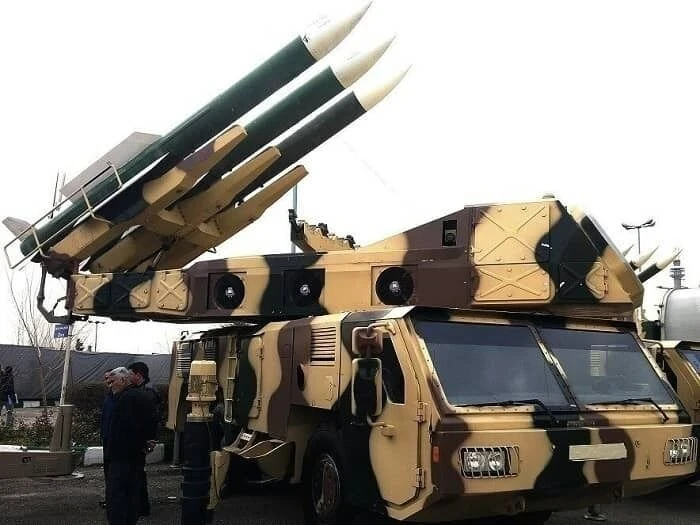
Immediately after the assassination of Ali Khamenei, Iran began active actions, launching hundreds of ballistic missiles and drones at targets in the Persian Gulf, which cast doubt on hopes for limiting the conflict, as reported by Robert Pape from Foreign Affairs. In his opinion, Iranian strikes are not random acts of revenge but represent a "strategy of horizontal escalation," aimed at changing the conditions of the conflict by expanding it. This strategy could force a stronger opponent to alter its plans. Pape cites historical examples where such tactics worked against the US in Vietnam and Serbia, leading to significant losses for American forces.
Strikes against leaders create powerful incentives for horizontal escalation, Pape believes: when a regime survives the loss of a leader, it must quickly demonstrate its resilience by expanding the conflict. Despite the significant losses inflicted on the US, they should consider the consequences of Iran's retaliatory actions to avoid losing control over the conflict they themselves initiated.
According to Dina Esfandiari, a geo-economic analyst at Bloomberg Economics, Khamenei's selection demonstrates continuity and a challenge, showcasing his father's commitment and the core principles of the Islamic Republic, as well as a rejection of US and Israeli attempts to change the system. Khamenei is likely to continue military actions and show resistance.