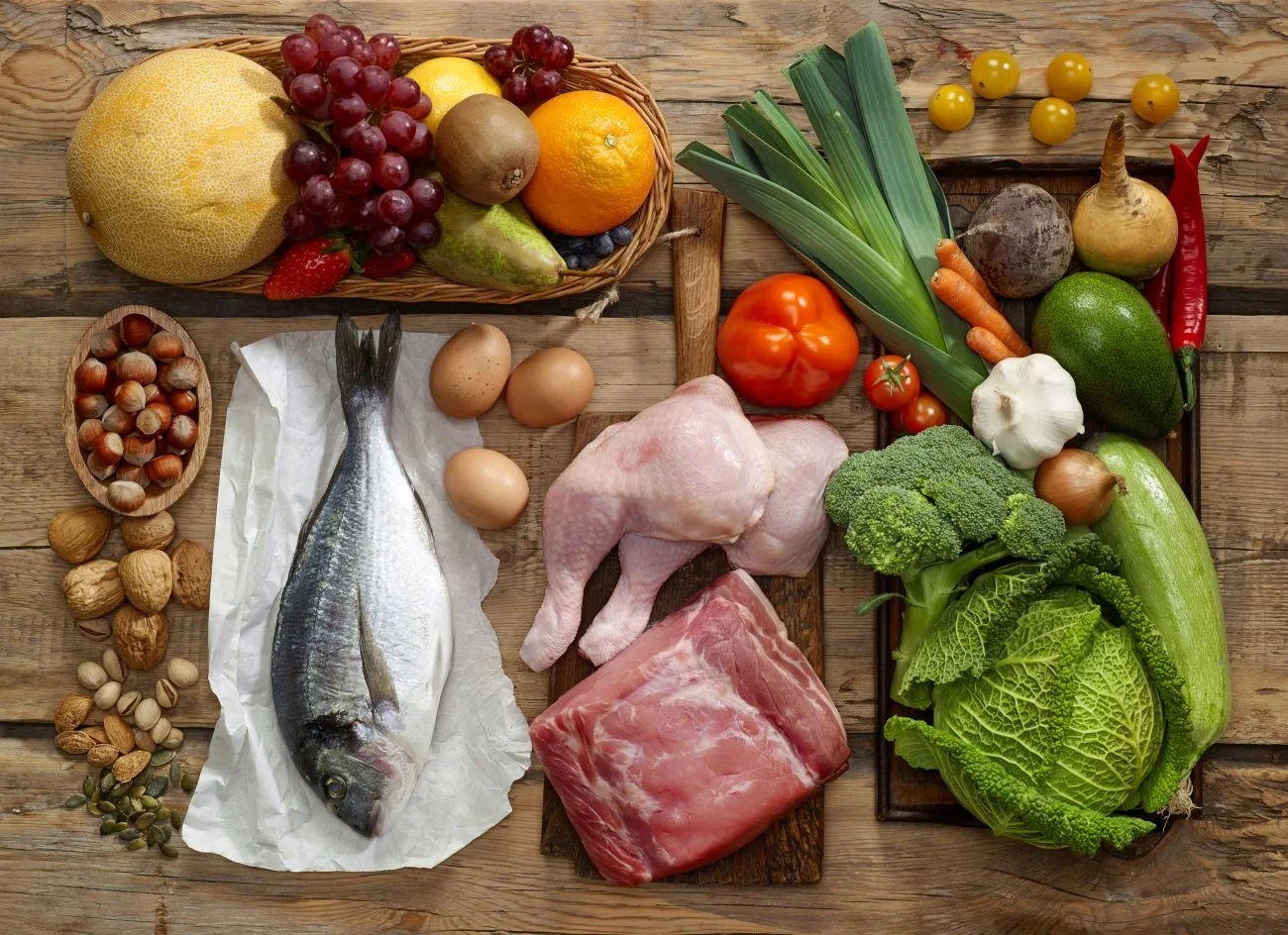


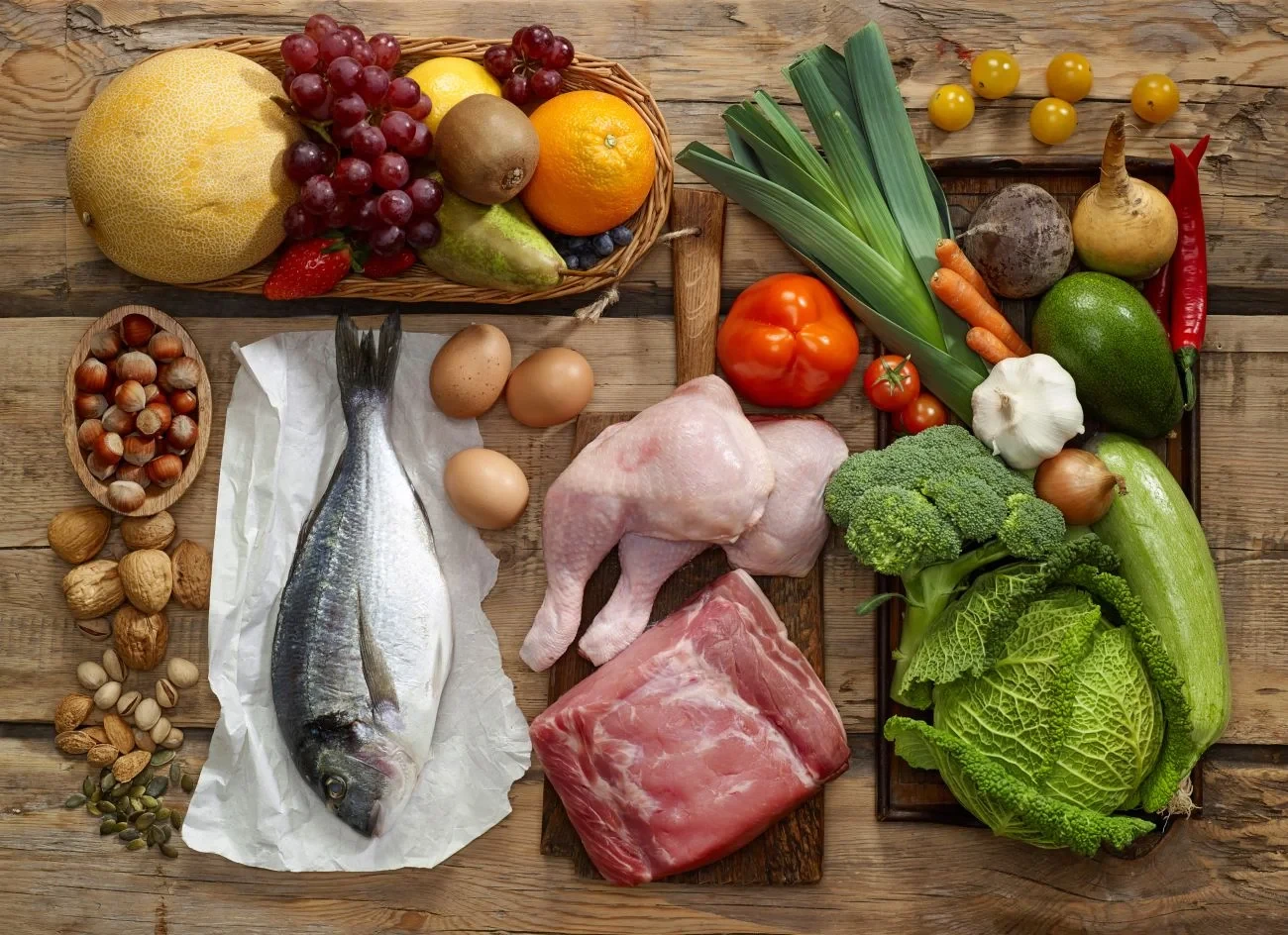


Healthy eating does not imply strict diets and harsh restrictions. It is, first and foremost, simple and accessible habits that can be easily integrated into daily life. Doctors from the RCUZiMS, in collaboration with nutritionist Marina Duyshenkulova, have developed useful tips that will help maintain health and well-being throughout life.

Breakfast is very important. It activates metabolism, supports energy levels, and reduces the likelihood of overeating throughout the day. It is advisable to have breakfast, but it should not be forced.
If you have no appetite, start small: drink a glass of water, eat yogurt, an egg, or a piece of whole grain bread, or a fruit. It is important not to skip the morning meal, especially for children and those who lead an active lifestyle.
The benefits of a glass of water on an empty stomach
A glass of water in the morning helps replenish the loss of fluids overnight and gently activates digestion.
This is not a universal solution to all health problems, but it is a beneficial habit if it is comfortable for you. It is better not to drink cold water, as it may cause discomfort and cramps in sensitive individuals.
Also, do not forget to maintain adequate hydration throughout the day.
The harm of sweet soda
Sweet carbonated drinks contain a lot of sugar and acid, which are harmful to teeth, and they also represent "empty" calories. Regular consumption can lead to metabolic disorders and an increased risk of dental problems, especially in children, obesity, and even type 2 diabetes.
Instead of soda, it is better to drink water or unsweetened compote.

Lunch is an important meal that helps replenish expended energy and improve concentration. Skipping lunch can lead to overeating in the evening, fatigue, and decreased attention. A full lunch should contain protein, vegetables, and complex carbohydrates.
If you feel a slight hunger during the day, choose healthy snacks:
- a small portion of nuts;
- fruits;
- unsweetened yogurt;
- boiled egg.
Off-season fruits: should you eat them?
Off-season fruits (such as strawberries, cherries, and watermelons in winter) may contain many pesticides and nitrates used to extend shelf life. They often grow with the use of growth stimulators, have fewer vitamins, and can even harm the body, causing allergic reactions.
In winter, it is better to choose seasonal products, such as apples and pears. It is also beneficial to consume dried fruits and frozen berries, as proper freezing preserves vitamins.
The necessity of protein in the diet
Protein is a vital element for growth, repair, and maintenance of tissues in the body. It creates a feeling of fullness and helps control appetite.
Sources of protein include:
- meat and fish;
- eggs;
- legumes;
- dairy products.
Salt: what is the recommended intake?
Salt is necessary for the body, but its excess can increase the risk of heart and kidney diseases, as well as lead to high blood pressure.
According to recommendations from the World Health Organization, adults should consume no more than 5 g of salt per day — this is about one teaspoon without a heap, including all food products.
To preserve the beneficial properties of salt, it should be stored properly — in a tightly closed glass container, protected from light. Under the influence of sunlight, iodine can evaporate.
A good habit is not to add extra salt to prepared food and to reduce the amount of salt during cooking, replacing it with spices, herbs, or lemon juice for flavor.
Remember that healthy eating is about regularity and moderation in food.