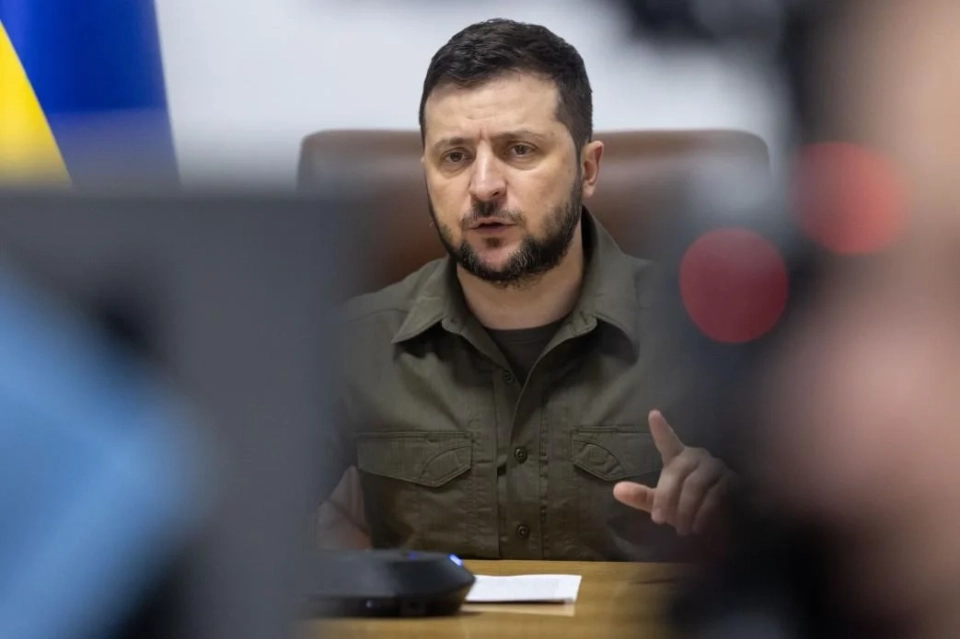
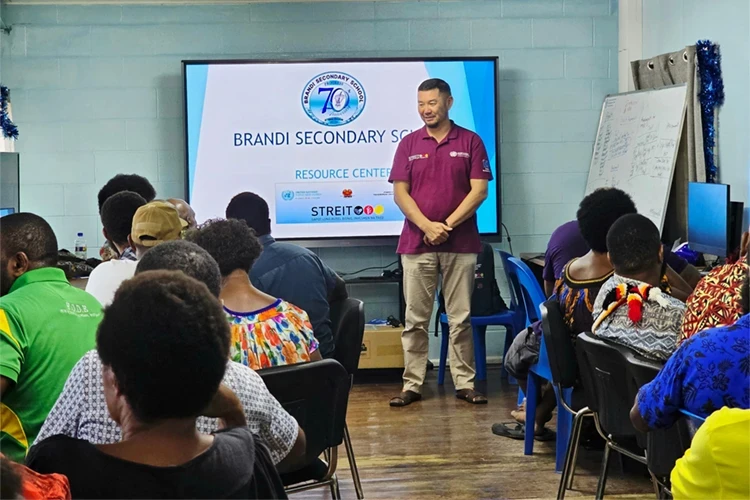
In his opinion, the term "harm of talypozy" lacks clear biological boundaries and requires a deeper analysis of the ongoing changes.
“As a biologist, I prefer mechanical methods of control over chemical ones, as chemistry is a kind of time bomb. It is important not only to choose a method but also to understand the causes and consequences,” Milko noted.
The scientist clarified that Caragana unites not just one species but an entire group of plants.
“Caragana thickets represent associations of shrubs from the Caragana genus. In Kyrgyzstan, there are 12 species, and altygana is just one of them, which is not found everywhere. For example, in Susamyr, several species with different characteristics can be found,” he added.
The specialist emphasized that statements about the rapid spread of Caragana require caution and thorough analysis. Data from satellite images may prove unreliable.
“Satellite images are not just photographs. They are hundreds of layers of data processed by computer programs that may contain errors. Therefore, making conclusions about the spread of shrubs based solely on these images is incorrect,” he noted.
Nevertheless, Milko agreed that local spread of Caragana is indeed observed.
“Real expansion can be seen not through satellites but directly on the ground when young shoots grow around the mother bush. In such cases, new bushes are indeed formed,” he explained.
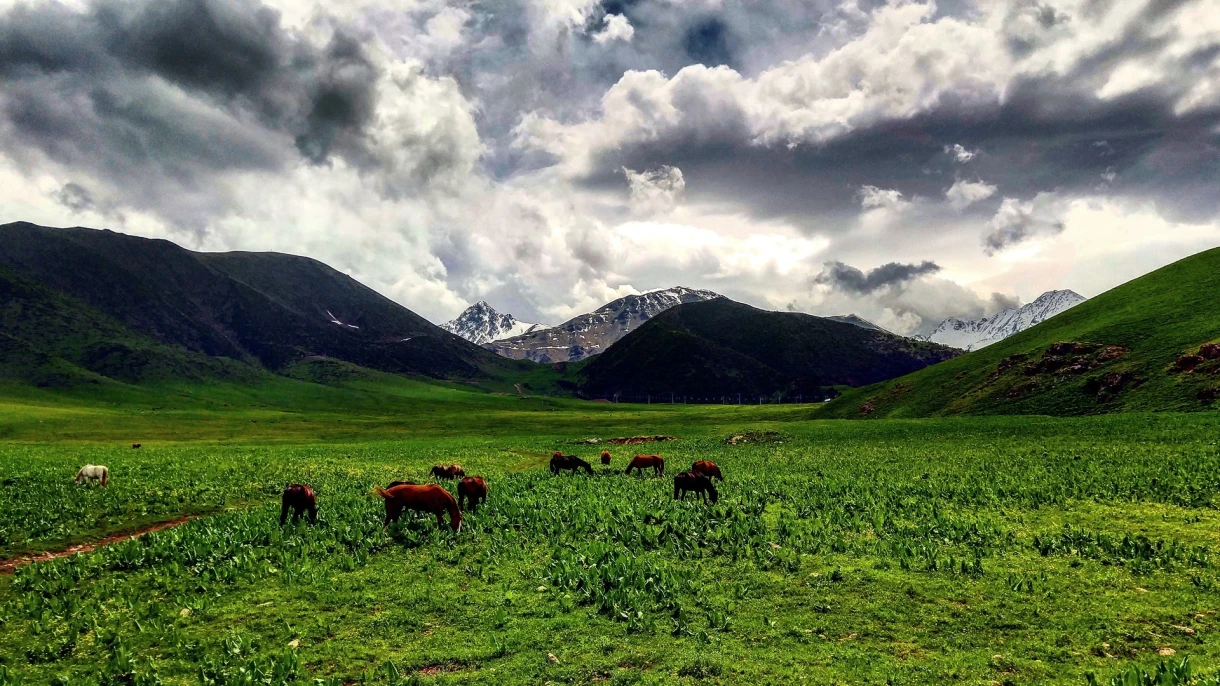
The main cause of pasture degradation, according to the scientist, is the disruption of the balance between herbaceous vegetation and shrubs, which is related to improper grazing pressure on the pastures.
“Previously, Susamyr was covered with grass above the knee, but now it resembles a golf course. The reason is the first, uncontrolled grazing. Herdsmen keep livestock at the foot and near the camps until the land turns to dust,” Milko added.
He also pointed out the problem of premature grazing in high-altitude pastures.
“There are cases when horses are driven to the upper pastures as early as the end of March. The question arises: what is supposed to grow back after that?” he concluded.