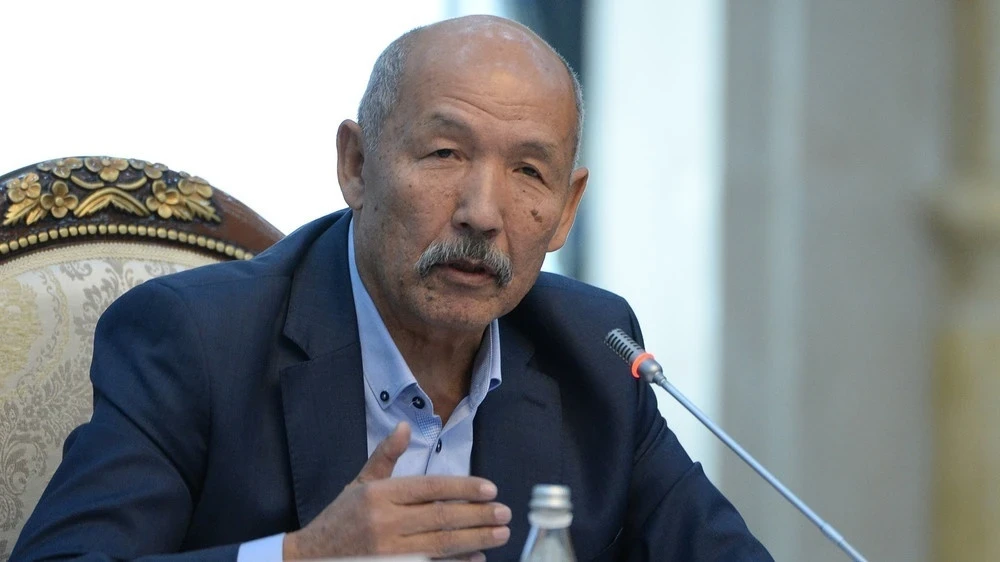
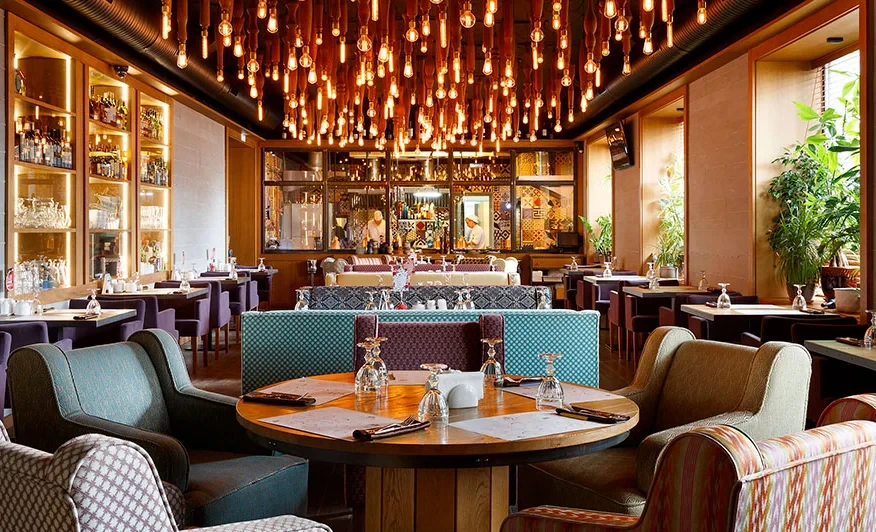
The deputy emphasized that the basic minimum consists of food products necessary for cooking. "You cannot effectively regulate this part while interfering in the café sector. It would be better if you focused on nutrition in kindergartens, schools, and universities, where there are socially vulnerable groups. Students often face a lack of funds. You should concentrate on this segment," he added.
"Visiting cafés and restaurants is not a basic minimum. People can bring food from home in lunchboxes. If they don’t do this, look at how many customers are in cafés! Everyone is satisfied. If there were dissatisfied customers, they wouldn’t be visiting cafés. Perhaps students are dissatisfied, but the problem could have been solved in another way—not through price regulation, but by creating student cafeterias. Most pensioners don’t go to cafés at all, and it’s unlikely anyone asked to remove 15%," Bekeshev expressed his opinion.He also pointed out that it was unnecessary to interfere in this matter. "I understand your intentions, but it would be more appropriate to require all establishments to clearly indicate the price of a dish with the added percentage. It should be up to the customer to decide whether to order or leave if the price does not suit them. If people have the means, let them buy coffee even for 1,000 soms. Your interference only exacerbates the situation," the deputy concluded, suggesting that the committee recommend the cabinet of ministers to cancel this resolution.