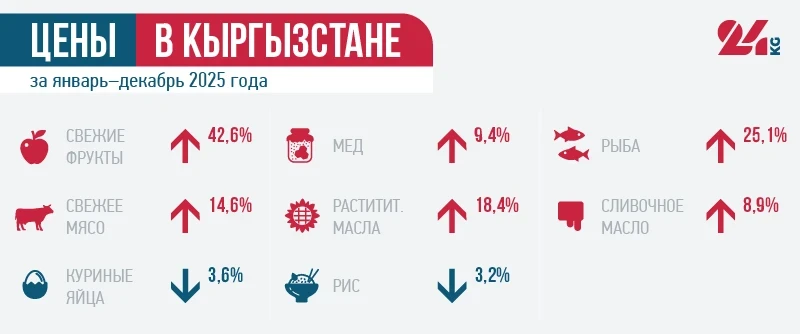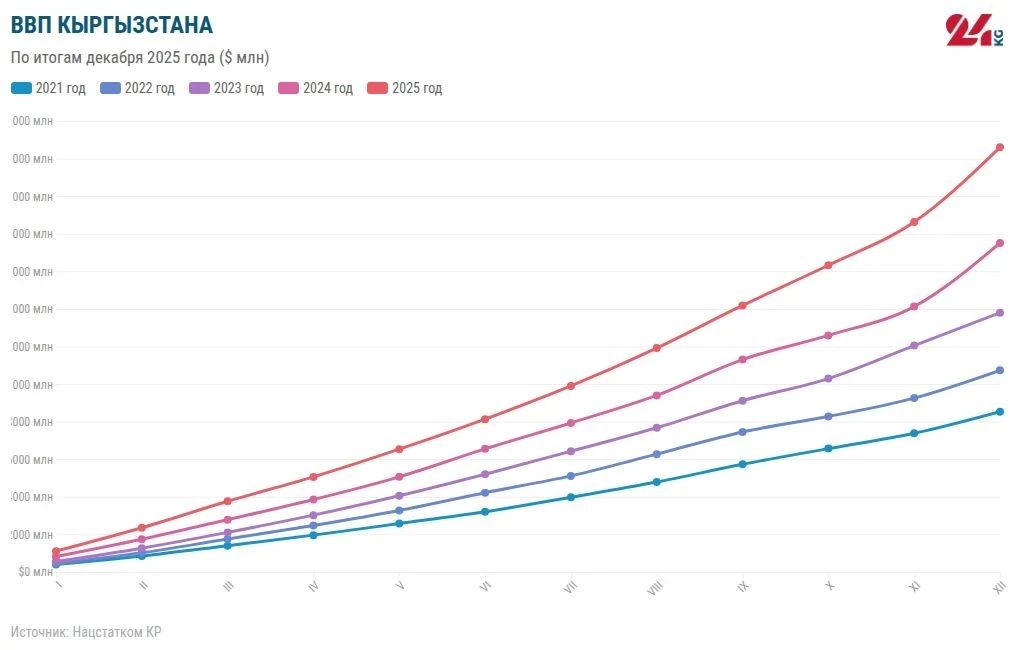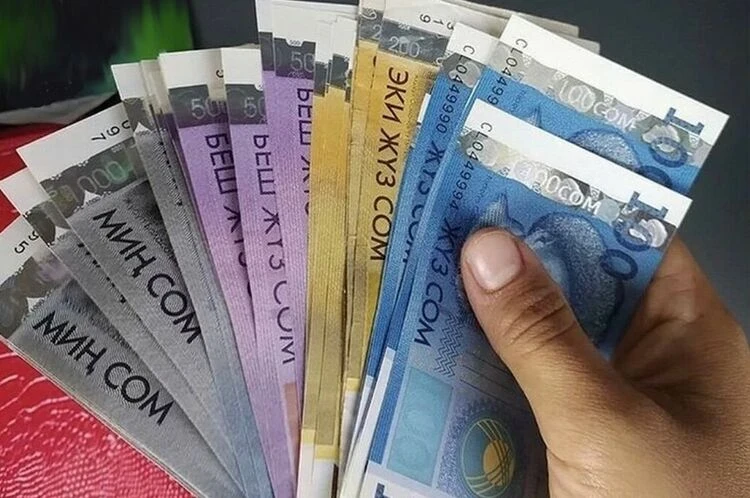
The economic situation in Kyrgyzstan in 2025 was complicated by rising inflation, which reached 9.8 percent. In particular, paid services increased in price by 11.2 percent, contributing 1.9 percent to the overall inflation rate, according to the Ministry of Economy and Commerce.
The following categories saw the most significant price increases:
- education — up by 26.4 percent, related to the lifting of the moratorium on paid education;
- healthcare — up by 11.6 percent;
- cultural events and recreation — up by 9.8 percent;
- hotel and restaurant services — up by 7.2 percent;
- transport — up by 5.4 percent.
Main Factors for Price Growth
Several key factors influenced the price increases:
1. In 2024, citizens' monetary incomes increased by 18.6 percent, significantly exceeding labor productivity growth (7.1 percent in 2024 and 7.9 percent in 2025). Real wages grew by 10.2 percent from January to November of last year, and the volume of cross-border remittances increased by 23 percent, contributing to inflationary pressure.
2. The increase in railway transportation tariffs in Kazakhstan (first by 16 percent, then by 35 percent) led to higher transportation costs.
3. External factors also played a role: inflation in Kazakhstan was 12.3 percent, in Russia — 5.6 percent, and in Belarus — 6.8 percent.
4. The volume of lending in Kyrgyzstan increased by 50.6 percent over the 11 months of 2025, with consumer loans nearly doubling.
5. Government spending on the social sector increased by 25.1 percent, and on salaries — by 15.2 percent.
Measures to Stabilize Prices
The authorities implemented a series of measures aimed at ensuring food security:
- As of January 31, the issuance of permits for the export of agricultural animals to other countries was suspended.
- As of August 11, state price regulation for beef and lamb was introduced, with the measure extended until December 31.
- As of October 1, maximum prices for coal were set for 90 days, and from December 3, a six-month ban on its export by road transport was introduced.
The National Bank also took measures to curb inflation, raising the discount rate three times in 2025 to 11 percent.
According to the Ministry of Economy, these measures helped alleviate pressure in the domestic market and support the availability of socially significant goods.