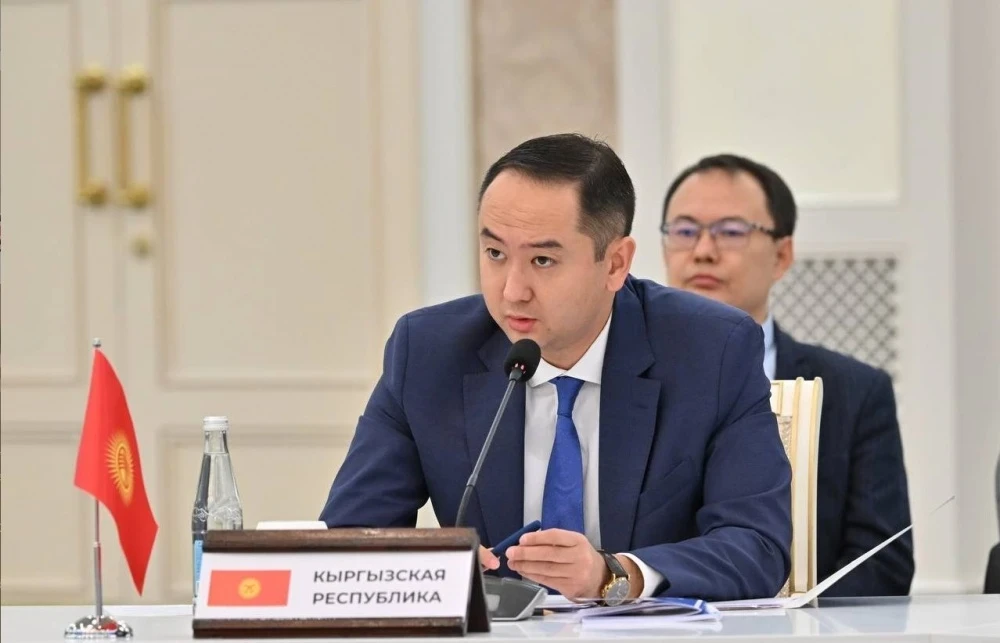
She emphasized that the Constitution guarantees everyone the right to work and adequate remuneration for it, which should ensure a decent standard of living for workers and their families, as part of socio-economic rights.
In addition to this, according to the convention of the International Labour Organization, mechanisms must be created for the regular review of minimum wage rates, taking into account the cost of living and economic conditions, as well as with the participation of the government, employers, and trade unions.
According to macroeconomic data, Kyrgyzstan is demonstrating significant economic growth: the gross domestic product increased from 550.4 billion soms in 2018 to 1 trillion 454.3 billion soms in 2024. This shows almost a threefold increase in GDP over the specified period.
Akimbaeva also noted that the new Labor Code, which will come into effect in 2025, abolishes the old version from 2004, which required employers to ensure the growth of real wage content through indexing based on changes in consumer prices.Although the current version of the Labor Code guarantees workers fair remuneration, there are no clear mechanisms for maintaining the real wage content. This leads to ambiguous interpretations of norms and a weakening of the protection of labor rights.
In this regard, Akimbaeva proposes to supplement Article 91 of the Labor Code with a new clause:
- Wage indexing will be carried out in connection with the rise in consumer prices for goods and services to increase the level of real wage content for workers.
- Organizations funded from the republican budget will conduct indexing in accordance with established laws and regulations.
- For organizations that do not have state funding, the procedure and conditions for indexing will be determined by collective agreements or local regulations.