Justification Against Increasing Excise Taxes
According to the initiative, the excise tax on sweet beverages is planned to be increased from 3 soms per liter to differentiated rates ranging from 5 to 11 soms. Additionally, it is proposed to introduce extra excise taxes on energy drinks and salty snacks, with the collected funds intended for the National Health Fund.The business community emphasizes that while supporting measures to improve public health, it is essential to carefully assess the potential economic and social consequences of these changes.
Processing Development at Risk
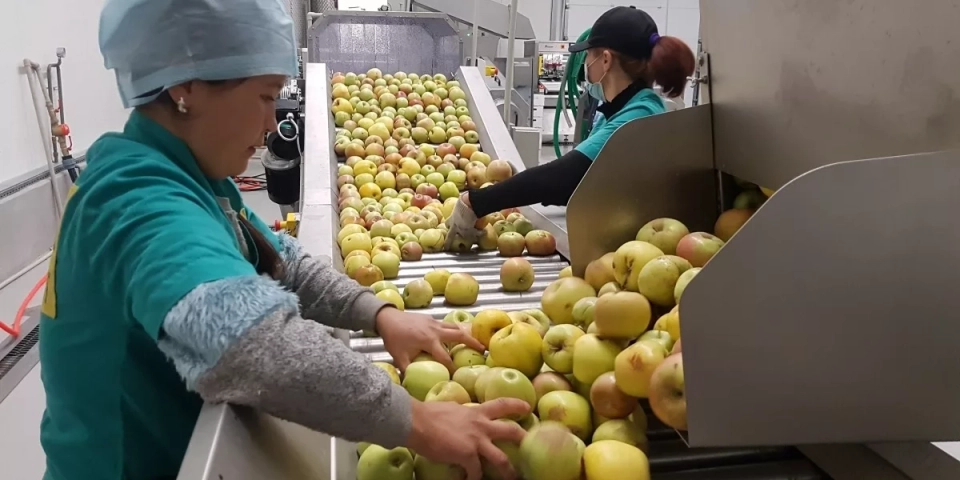
Representatives of the agricultural sector state that such excise taxes may contradict the state strategy aimed at increasing the processing of agricultural products by 50% by 2030, as established by the presidential decree.At the same time, a significant portion of processed fruits and berries is sold in the form of compotes, nectars, and fruit drinks.
Impact on Farmers and Local Economies
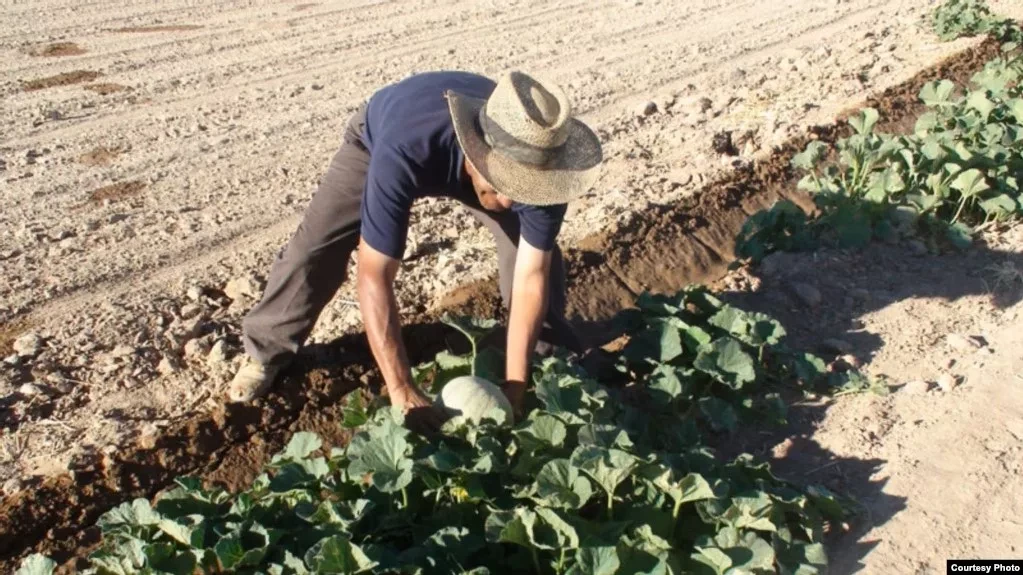
The association warns of a potential increase in production costs, a decrease in the competitiveness of local producers, and a reduction in raw material purchases from farmers, which, in turn, may lead to a decrease in the workload of processing enterprises and job losses in the regions.Risks of Increased Imports and the Shadow Market
The agricultural business also expresses concerns that the increase in excise taxes may create conditions for local products to be displaced by cheaper imported beverages from neighboring countries. In an open market, they believe that the increase in tax burden may lead to a shift in demand towards imported products.Moreover, producers point out the lack of laboratory infrastructure to monitor sugar content in products, which will complicate the administration of new excise rates.
Proposal to Maintain Current Tax Conditions
Representatives of the agricultural industry consider it advisable to keep the current level of taxation and continue discussions on changes with the involvement of stakeholders, including businesses and relevant ministries.“State policy must be consistent. We support initiatives to improve public health; however, such decisions must take into account the real economic consequences. It is necessary to assess changes in the tax burden in terms of their impact on farmers and the processing of agricultural raw materials,” noted Rustam Baltabaev, a representative of the industry.
Photo on the main page is illustrative: Shutterstock / FOTODOM.