The created system effectively saturates the blood with oxygen and supports normal heart function.
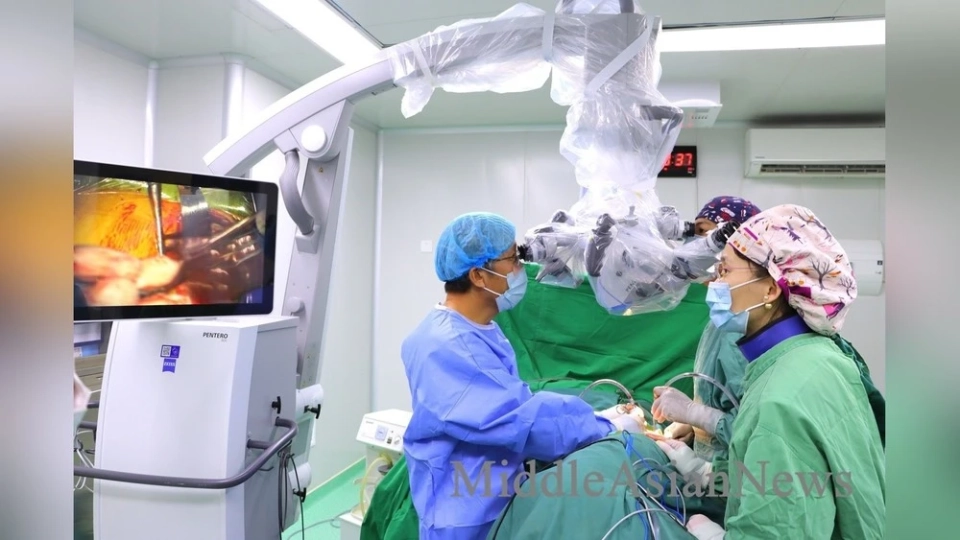
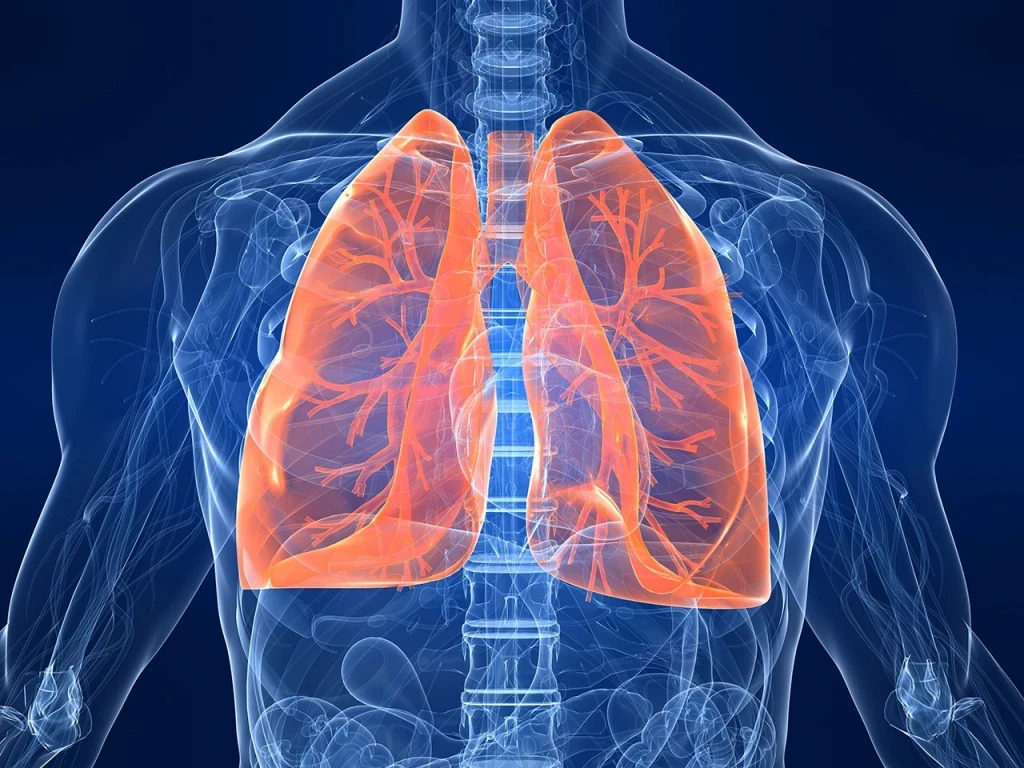
Surgeons performed an operation to remove the damaged lungs and sustained the patient's life for 48 hours using artificial lungs until they could conduct the transplant.
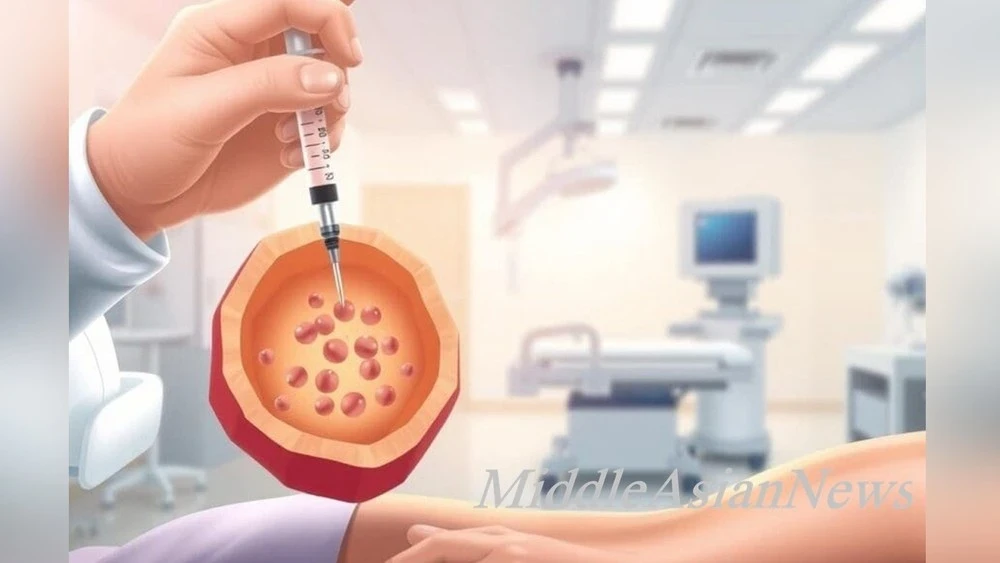
The team of doctors developed a system that takes blood from the right side of the heart, adds oxygen, and removes carbon dioxide, mimicking the functions of the lungs. This system not only supports circulation but also provides the patient with the necessary oxygen. This was reported by Ankit Bharat, head of the thoracic surgery department at the Feinberg School of Medicine at Northwestern University in Chicago.
In 2023, a 33-year-old man from St. Louis faced severe consequences from influenza B, which led to lung failure. He was hospitalized and developed a secondary infection caused by antibiotic-resistant bacteria Pseudomonas aeruginosa, which spread to his bloodstream. The combination of infection and immune response led to lung failure.
"The patient's condition continued to deteriorate," recalls Bharat. "He was on the brink of death."
Molecular analyses confirmed that the patient's lungs were beyond recovery. Bharat, along with colleagues involved in lung transplantation, understood that a transplant was not possible at that time due to the active infection. Therefore, they decided to remove the affected lungs and connect the man to the artificial lung system they had developed.
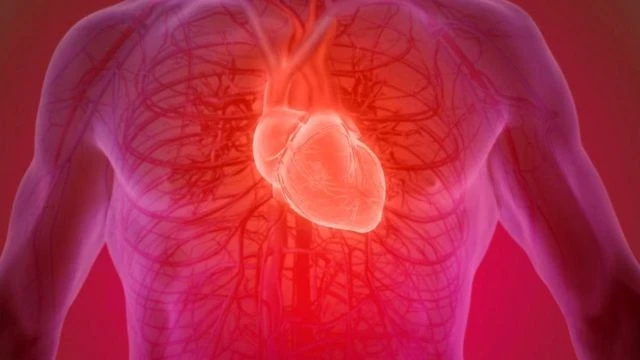
The system created by the researchers was successfully applied to a human for the first time in 2023. It mimics the function of the lungs in the circulatory system, preventing overload of the right ventricle of the heart, which is often a cause of death in such situations.
After the removal of the lungs, a significant void formed in the chest, which could have led to the displacement of the heart and cessation of circulation. The doctors used implants to temporarily support the heart.
It was expected that it would take considerable time to eliminate the infection, and specialists were prepared to sustain the man's life using the artificial lung for several days or even weeks. However, once the cause of the infection—the lungs—was removed, the patient's condition began to improve rapidly.
After recovering from the infection, the man was placed on the transplant waiting list, and a donor organ became available immediately. More than two years later, Bharat reports that "the patient feels great, and his heart and lungs are functioning normally."