Interaction on the drawing board
In 1964, the Special Design Bureau of the Institute of Space Research (OKB IKI) of the USSR Academy of Sciences was established in Frunze. This was a period when the Soviet Union actively shared technologies and personnel. Russian specialists, representatives of the engineering elite of that time, came to the Kyrgyz SSR not only for work but also to create new infrastructure. They became not just colleagues but also friends, and sometimes even family members.
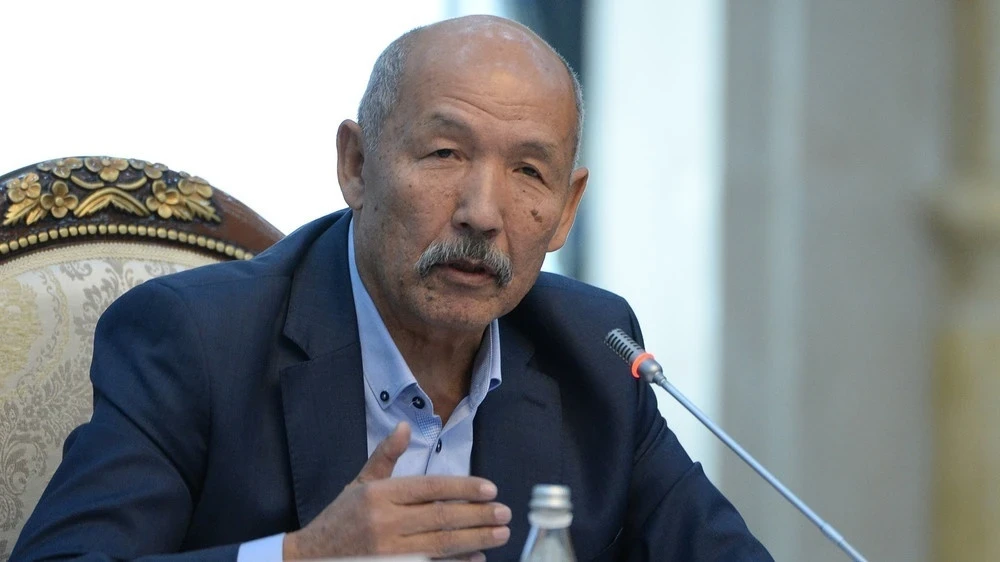
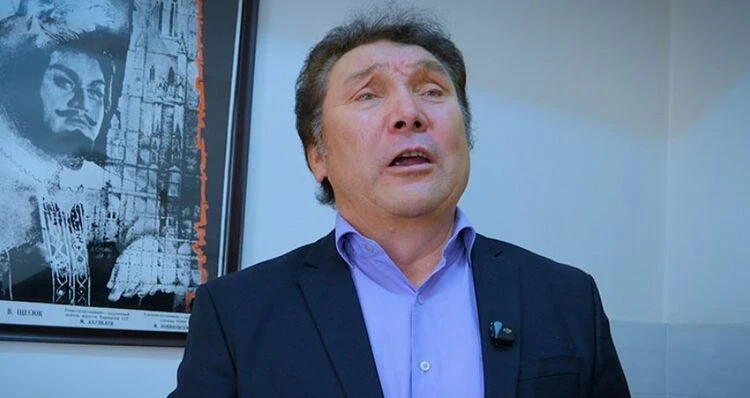
- We, the youth, built the OKB building on Toktogul–Shopokova ourselves, - shares memories Kasyet Mukambetova, a two-time labor veteran. - The team that gathered was amazing, the best minds from all over the Union. Most of them were Russian engineers, but there were also Koreans, Kyrgyz, Ukrainians, and Uzbeks working alongside. We were one family. I, a young Kyrgyz woman, came to the department as a technician and was welcomed like a relative.
With special warmth, Kasyet recalls her colleagues.
- In our department, there was only one oscilloscope and two drawing boards. But what enthusiasm we had! The tasks from Moscow were complex, and the discipline was strict. We had to be at the checkpoint by 7:50, and being late even by a minute was treated as an emergency. But no one complained. We had a goal, a great task. We understood that what we were drawing on paper would fly to the stars tomorrow.
From "Venus" to integrated circuits
Over three decades, the bureau developed more than 200 unique devices. Kyrgyzstan became the first site in the USSR to start using laser technologies and integrated circuits. The Frunze developments studied the Moon, Mars, and even Halley's comet.
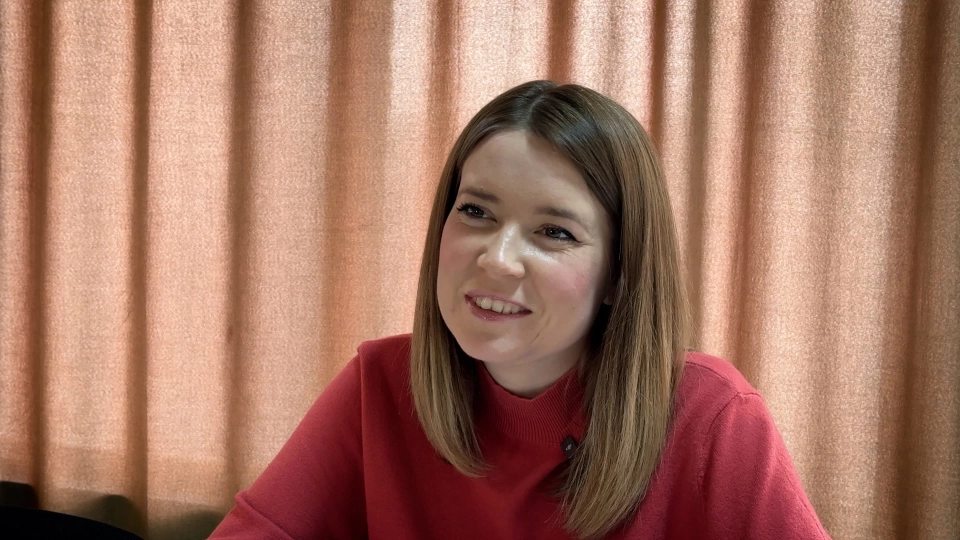
- I came in 1979 and worked with classified documentation, - recalls OKB veteran Olga Shcherbatskikh. - I remember how we prepared the "Venus-Halley" mission. My task was to control. An error in one diode could lead to a disaster millions of kilometers away from Earth. We handled everything: from the first lines on paper to the final tests of the completed device.
Hope for a return to the stars
The collapse of the Soviet Union had a serious impact on the space industry. The OKB was closed, equipment was taken away, and unique specialists who had been trained for years found themselves without work or left. The premises were leased out, and silence reigned over the place where devices for studying Mars were developed.
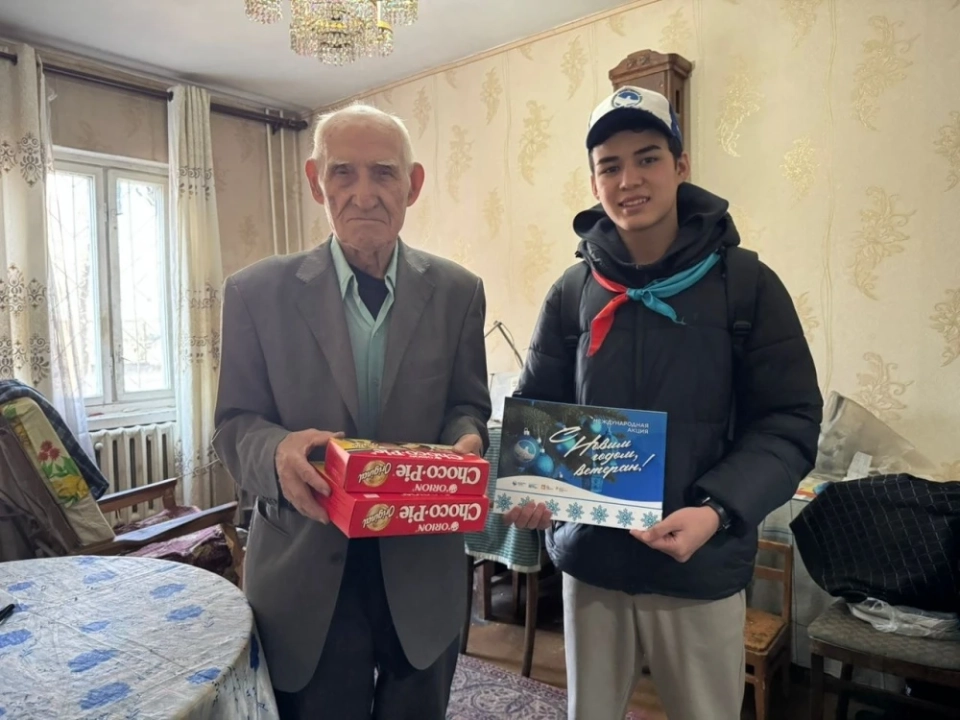
Nevertheless, on the eve of the 65th anniversary of Gagarin's flight, hope has emerged. Thanks to the efforts of the Veterans Council and support from Russian diplomacy, those who created the space glory were remembered again.
- This year, events dedicated to Cosmonautics Day will be organized in Bishkek, thanks to the support of the Veterans Council. The Russian ambassador to Kyrgyzstan also provided assistance, and a visit from one of the former OKB employees, who still works in this field, is expected. There is hope that with Russia's support, a similar enterprise will reappear in Kyrgyzstan, - shares Olga Fyodorovna.
The veterans of OKB IKI look to the sky with hope. For them, Cosmonautics Day is not just another date on the calendar, but a memory of a time when the borders between the republics were conditional, and shared dreams had no limits. They believe that the unification of the experience of past years and modern technologies from Russia will allow Kyrgyz devices to once again embark on journeys to distant planets.