It is reported that the children chosen for sacrifice were subjected to prolonged alcohol and drug influence, which is part of their horrifying experience, as emphasized by the media.
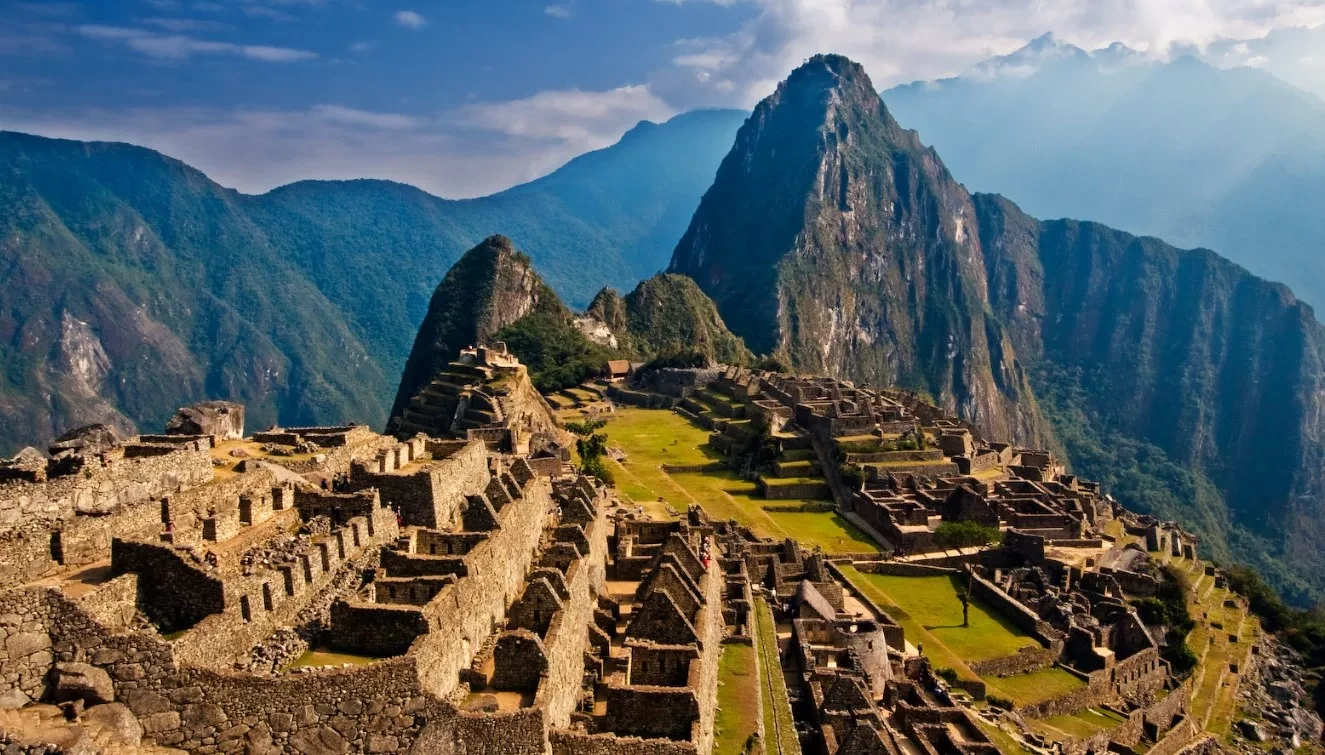
The terrible circumstances of child sacrifice among the Incas have been confirmed by new research. In January, a paper was published in the Journal of Archaeological Science: Reports, in which scientists analyzed the mummified remains of children found on the peaks of the Ampato and Sara Sara volcanoes. Among them were four girls, named Ampato No. 1, No. 2, No. 4, and Sara Sara, who became victims of the capacocha ritual, associated with significant events such as political changes and natural disasters.
The Incas selected children for these rituals, believing that they would become sacred intermediaries between the communities and the gods. Spanish chroniclers described these children as physically ideal victims. However, modern technologies, such as computed tomography, allow us to see the real picture.
What child sacrifices among the Incas actually looked like: data from computed tomography.
For example, Ampato No. 1, known as Lady Ampato, died at around 14 years old due to head and pelvic injuries. Ampato No. 2, who was about eight years old, also died from a traumatic brain injury and had chronic illnesses, which raises doubts about the notion that only healthy children were chosen as victims. Sara Sara, also 14 years old, had similar injuries and signs of stress.
The case of Ampato No. 4 is particularly notable. She died at around 10 years old from a cranial injury. Computed tomography indicates that her body was manipulated after death: stones and tissues were found in her abdominal cavity, as well as signs of multiple burials. She is considered the first known case of intentional mummification among the victims of capacocha.
Spanish sources described how living people turned to the preserved remains of Inca rulers for advice. Given that Ampato No. 4 could have been consulted in the same way, it can be assumed that even after her death, the victim could retain ritual significance, especially in communities forced to migrate.